
Quick Facts
- Fence height should be chosen for privacy, security, and function first, then style.
- Six feet is the go-to backyard height for strong privacy and everyday security.
- Front yard fences are usually shorter to protect sightlines and curb appeal.
- Always check local rules and permits before committing to taller fence options.
- The best height depends on your sightlines, pets, and long-term needs.
What's In This Guide
Fence height shapes three things right away: privacy, security, and curb appeal. Many homeowners pick a height based on looks alone, then realize it does not actually solve their problem.
For most homes, 6 feet is the standard backyard fence height because it delivers solid privacy and security while staying within common code limits. Front yard fences are usually 3 to 4 feet high to keep sightlines open. Heights up to 8 feet can work in certain situations, but they often require permits.
The right choice comes down to your privacy goals, security needs, and local zoning rules. Here's a breakdown of common fence heights and how to choose the best one for your property.
Standard Residential Fence Heights
Understanding common residential fence heights helps set realistic expectations. Most homes use similar height ranges for specific purposes, and local rules often limit what's allowed in front and back yards.
Here's what each standard height is typically used for.
3-Foot Fences
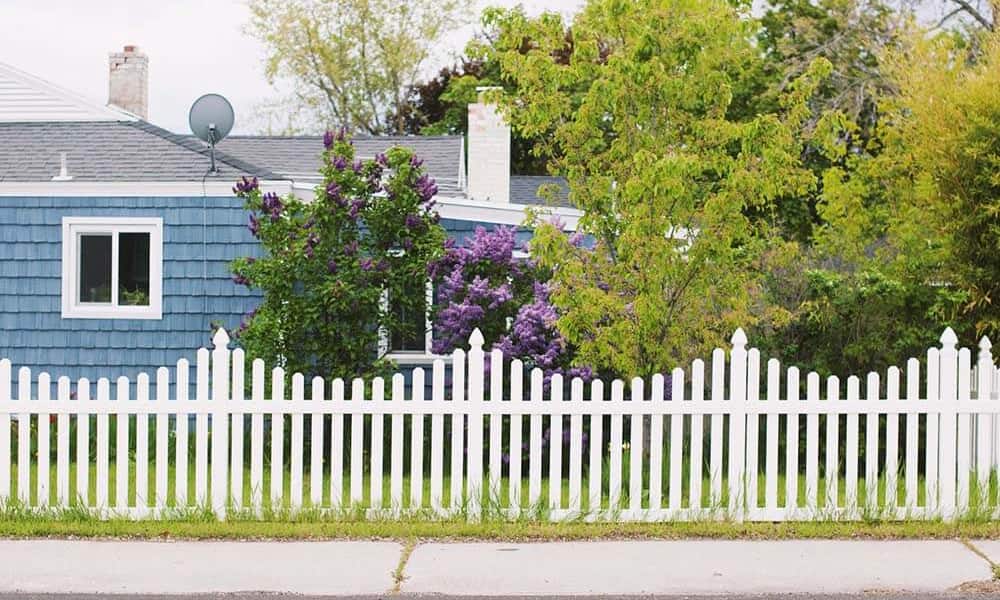
A 3-foot fence is primarily decorative. It defines property boundaries while maintaining visibility. These fences are common in front yards and are often built from:
- Picket wood
- Ornamental aluminum
- Wrought iron styles
4-Foot Fences
Four feet is a standard front yard fence height in many towns. It creates a clear boundary without obstructing sightlines for drivers or pedestrians. It works well for:
- Small pets
- Garden enclosures
- Decorative perimeter fencing
However, it does not provide meaningful privacy.
5-Foot Fences
A 5-foot fence offers moderate containment and slightly improved privacy. It can work for:
- Medium-sized dogs
- Side yards
- Semi-private spaces
Still, neighbors in close proximity may see over it.
6-Foot Fences
Six feet is the most common residential backyard fence height. It provides:
- Effective privacy for single-story homes
- Stronger security deterrence
- Better containment for most dogs
- Compliance with many municipal backyard limits
For most homeowners seeking privacy fencing, 6 feet is the practical standard.
7 to 8-Foot Fences
Fences between 7 and 8 feet are used when maximum privacy or security is required. These are common for:
- Pool enclosures
- Dense neighborhoods
- Properties near commercial areas
- Homes on lower elevation lots
These heights often require permits and must comply with local zoning requirements.
How to Choose the Right Fence Height for Your Home
Choosing fence height requires a practical approach. It should match your privacy needs, security concerns, property layout, and local regulations. A fence that is too short may not solve the problem, while one that is too tall can create compliance or design issues.
These steps will help you make a smart, well-balanced decision.
Step 1: Identify Your Primary Goal
Start by getting clear on why you want a fence, because the “right” height depends on the job it needs to do. Are you trying to block neighbor views for full privacy, keep a dog safely contained with pet containment, add a harder-to-cross barrier for security, or simply define the yard with a decorative boundary? Once you pick the priority, height decisions get much easier.
Step 2: Measure Sightlines
Walk the perimeter and look at your yard the way others see it. Stand where you actually spend time, like on a patio, near a pool, or by outdoor seating. Notice what is visible from the street, sidewalks, and neighboring windows. This helps you choose a fence height that blocks views where it matters most.
Step 3: Check Local Codes
Before you settle on a height, confirm what your town allows. Many areas have different height limits for front yards and backyards, and taller fences may require a permit. A quick check with your local building department can prevent expensive changes later.
Step 4: Select the Appropriate Material
Pick a material that supports both your goal and the height you need. Wood is a classic choice for strong privacy. Vinyl offers similar privacy with less maintenance. Aluminum works well for front-yard boundaries where you want a clean, open look. Chain link is often the most budget-friendly option for containing pets and defining space without blocking visibility.
Step 5: Think Long Term
Choose a height that will still work a few years from now, not just today. Consider pets that may grow or jump higher, changing family needs, future landscaping that could affect privacy, and how the fence will look to future buyers. Getting the height right up front helps you avoid upgrades, extensions, or replacements later.
Why Fence Height Is More Than a Design Choice
Fence height affects how your property functions every day. It is not just a visual feature. The height you choose changes what your fence can realistically do, from blocking views to protecting what is inside your yard.
Privacy
Fence height is one of the biggest drivers of privacy. A taller fence blocks sightlines from neighbors, sidewalks, and passing traffic, which makes patios, pools, and backyards feel more comfortable to use. If privacy is the goal, height needs to be paired with a design that limits gaps and see-through angles.
Security
Height adds a physical and visual barrier that can make a property harder to access. Taller fences reduce easy entry points and can discourage climbing, especially when paired with the right layout and gate hardware. A fence that is too low may still mark the boundary, but it does not provide much deterrence.
Pet and Child Containment
Fence height helps keep kids and pets safely inside the yard. A fence that is too short can create easy escape opportunities, especially for active dogs or children who climb. Choosing the right height reduces the risk of wandering and helps the yard function as a secure play space.
Property Value and Usability
The right height can make a yard more usable, which can improve how the home feels and presents. A well-proportioned fence can create defined outdoor zones, increase comfort, and support everyday activities like entertaining or letting pets out. A fence that looks out of scale can have the opposite effect and feel heavy or restrictive.
Code Compliance
Fence height is often regulated by local rules, and those rules can differ between front yards, backyards, and corner lots. Choosing a height that does not meet requirements can trigger permit issues, delays, or costly changes. Height decisions should always be made with local regulations in mind.
Common Mistakes Homeowners Make
Even when you understand the basics, a few easy-to-miss details can lead to a fence that feels “wrong” once it's installed. Here are the most common fence height mistakes that homeowners run into, and how to avoid them.
Choosing Height Based on Looks Only
It's tempting to pick a height that “looks nice” from the street, but function matters first. A fence can look great and still fail at privacy, pet containment, or security if it's undersized for the goal.
Forgetting About Gates
Homeowners often plan the fence height but overlook the gate. If the gate is shorter, easier to climb, or doesn't latch securely, it becomes the weak point, especially for pets and security.
Not Accounting for Jumpers and Climbers
A 4- or 5-foot fence may contain some pets, but many dogs can jump or scale it depending on breed, athleticism, and motivation. Height should match real behavior, not just size.
Misjudging Privacy Because of Elevation
Privacy is about sightlines, not just the number on paper. If your neighbor's yard sits higher or they have a raised deck, a 6-foot fence may still leave you exposed. Always evaluate views from both sides.
Installing the Same Height Everywhere Without Thinking It Through
A single height can be the simplest option, but it's not always the best. Many properties benefit from different heights, like a lower front-yard fence for curb appeal and a taller backyard fence for privacy.
Ignoring Wind and Exposure
Taller solid fences catch more wind. In open areas, extra height can increase stress on posts and panels if the fence isn't designed and installed for it.
Skipping Code Checks Until After Choosing a Height
Some homeowners pick 7 or 8 feet for privacy, then discover their town limits fences to 6 feet in backyards or lower in front yards. Checking rules early prevents redesigns and delays.
Frequently Asked Questions
Does a taller fence block noise from neighbors or traffic?
A taller fence can reduce some noise, but height alone does not guarantee sound control. Solid materials like wood or vinyl perform better than open designs such as aluminum or chain link. Even then, fences only deflect or absorb a portion of sound waves. For noticeable noise reduction, fence height must be paired with dense materials and proper installation.
Will a taller fence create more maintenance issues?
In some cases, yes. Taller fences are exposed to more wind pressure, which can stress posts and panels over time. This means proper post depth and structural support become even more important. Maintenance needs depend more on material than height, but taller solid fences should be built with durability in mind.
Can landscaping replace the need for a taller fence?
In some cases, yes. Trees, shrubs, and hedges can supplement privacy and reduce the need for maximum fence height. However, landscaping takes time to mature. Many homeowners combine fencing and greenery for better long-term results.
Does a taller fence require stronger posts?
Generally, yes. As fence height increases, wind load and structural stress also increase. Deeper post installation and sturdier materials may be necessary. Proper installation ensures stability and longevity.
Should fence height match neighboring properties?
It does not have to match exactly, but consistency can improve overall appearance. Large height differences between adjoining fences may look unbalanced. Considering the surrounding landscape and structures helps maintain visual harmony.
Choose the Right Fence Height for Long-Term Protection
Fence height determines how private, secure, and functional your property will feel for years to come. The right height balances your goals, local regulations, and the overall look of your home, especially for homeowners in Litchfield County, where zoning requirements and property layouts can vary by town.
If you are unsure which fence height best fits your property, working with experienced professionals can prevent costly mistakes and code violations. Connecticut Fence & Gate helps homeowners throughout Litchfield County evaluate their needs and select fence solutions that deliver privacy, security, and lasting style.
Contact us today to get started on your fence project.