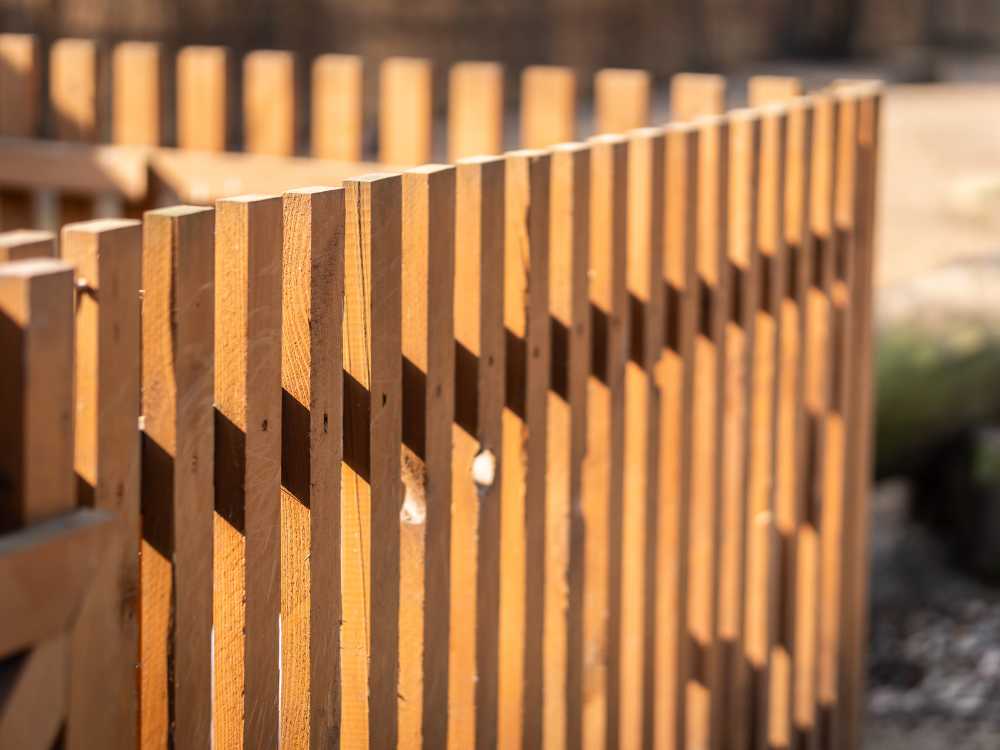
Choosing the right wooden fencing isn't just about looks anymore. Homeowners deal with bigger weather swings, heavier downpours, and more moisture-driven wear and tear that can shorten a fence's lifespan if the material is wrong for the yard.
The best wood for fence projects is usually Western Red Cedar or Redwood for natural rot and insect resistance, Pressure-Treated Pine for the most budget-friendly durability, and Cypress as a strong middle-ground option when available.
And if you're searching for fence supply near me, the smartest move is knowing exactly what to ask for before you load boards into your truck.
What This Guide Covers
Key Points to Know
- Wood species selection affects fence lifespan more than appearance alone.
- Posts fail first and require the most durable materials.
- Natural decay resistance reduces long-term maintenance.
- Climate should guide material choice more than price.
- Proper installation is as important as wood selection.
What Is Wooden Fencing?
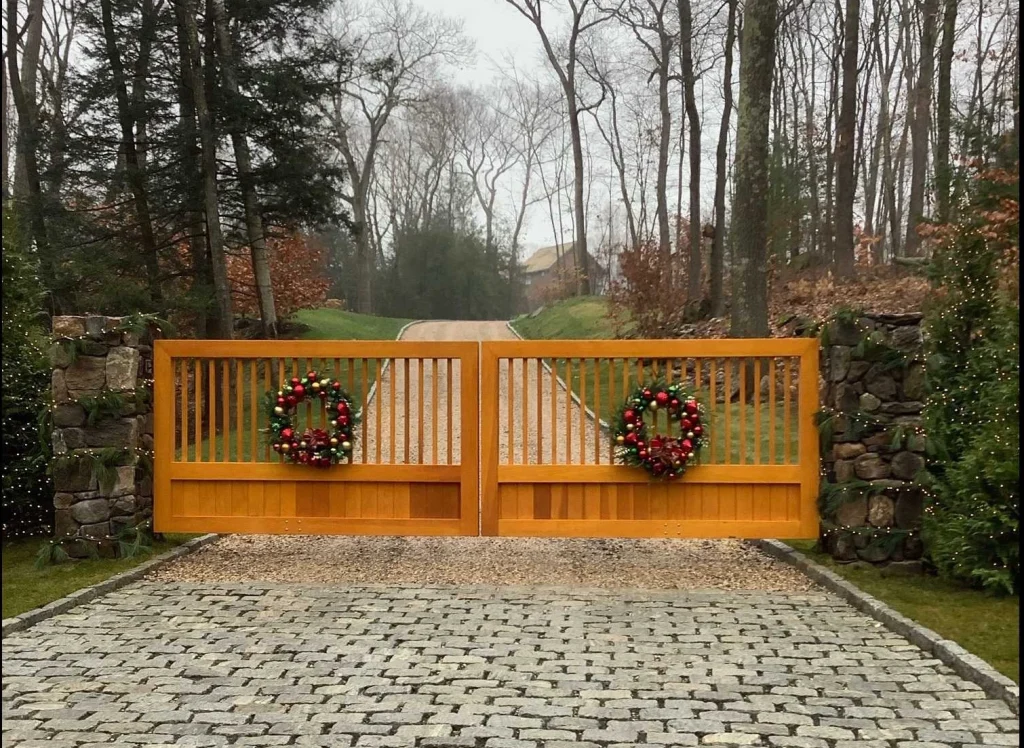
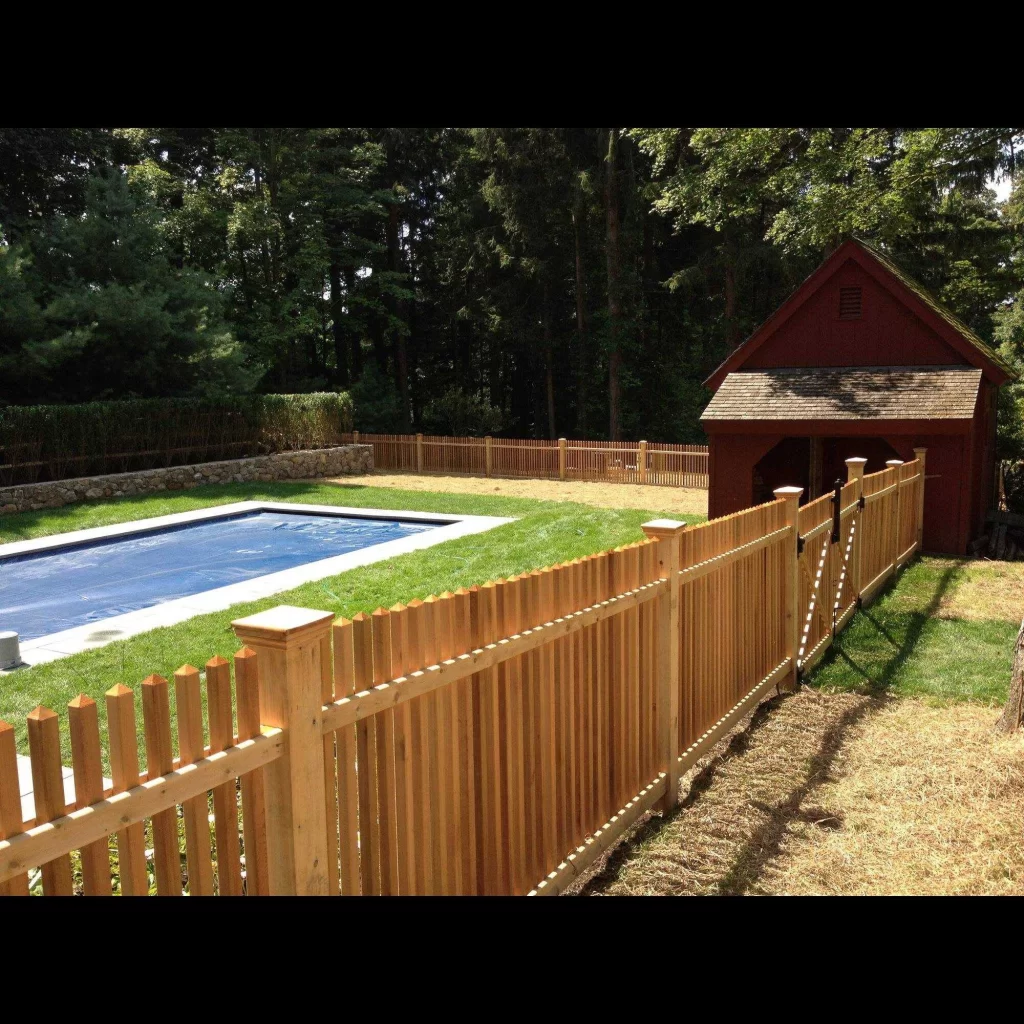
Wooden fencing refers to fences built primarily from natural wood boards, rails, and posts rather than vinyl, aluminum, or composite materials. Wood remains popular because it is adaptable, repairable, and visually compatible with most residential architecture styles in the United States.
From a materials science perspective, wood fences rely on species-specific characteristics such as density, natural oils, and grain structure. These traits influence how wood responds to moisture, insects, and ultraviolet exposure. Choosing the correct wood species has a greater impact on lifespan than fence height or board style.
6 Types of Wood Fences Compared: Best Wood for Fence Builds
1. Western Red Cedar
Western Red Cedar is a go-to for homeowners who want wooden fencing that looks high-end without relying on chemical treatment for durability. Western redcedar heartwood is widely recognized for its natural durability in decay and termite resistance research.
Pros
- Strong natural resistance to rot and insects: Cedar is naturally durable, which helps in humid summers and wet shoulder seasons when fences can stay damp longer.
- Lightweight boards that are easier on gates: Cedar's lower weight can reduce long-term strain on hinges and hardware compared to heavier woods, which is helpful for frequent-use gates.
- Finishes cleanly and ages in a predictable way: Cedar typically accepts stain well and can weather to a uniform silvery tone if left unfinished, which many homeowners like for classic wooden fencing.
Cons
- Higher upfront cost than pressure-treated pine: Cedar can be a noticeable jump in price, especially in straighter grades with fewer knots.
- Softer wood that can dent or mark: Cedar is not brittle, but it can show dings from yard tools, pets, and kids more easily than denser woods.
- Board quality varies by grade: Some cedar boards include more knots or mixed heartwood and sapwood, so you may need to sort carefully at a fence supply near you to get consistent results.
2. Redwood
Redwood is often picked for front-facing fences and statement builds because it combines high-end appearance with heartwood durability. It is known for durability, tied to heartwood decay resistance, and dimensional stability.
Pros
- Strong natural resistance to rot and insects: This is especially true in heartwood-rich boards. Studies on redwood performance note that old-growth redwood timber is highly valued for its strength, long-term durability, and natural resistance to insects and rot, which helps it hold up better under prolonged outdoor exposure.
- High-end appearance: Redwood has a rich tone and a premium look that many homeowners prefer for decorative fencing.
Cons
- Often one of the priciest choices: Cost rises quickly with clearer grades.
- Can be harder to source quickly in the Northeast: Depending on what your local supplier stocks.
3. Pressure-Treated Pine
Pressure-treated pine is the common “value pick” for fence builds because it's widely available, affordable, and designed to resist rot and insects, especially when you keep up with finishing and installation best practices.
Pros
- Budget-friendly: Often the most cost-effective option for large fence runs.
- Treated for rot/insect resistance: Chemical treatment helps it hold up better than untreated softwoods.
- Takes stain well: Can be finished to match a lot of home styles.
Cons
- Needs consistent sealing/staining: Regular maintenance helps preserve appearance and extend life.
- Can warp if installation is sloppy: If boards aren't properly acclimated, fastened, and spaced, pine is more prone to movement.
4. Cypress
Cypress is a strong “natural durability” option, similar to cedar or redwood in decay resistance, making it a great choice for homeowners who want durability without relying heavily on chemical treatment.
Pros
- High durability: Known for long-lasting performance in outdoor builds.
- Naturally resistant to decay: Holds up well in moisture-prone conditions.
Cons
- Availability varies by region: In some areas, it can be harder to source consistently or may come at a premium.
5. Exotic Hardwoods (Ipe)
Ipe is the “premium powerhouse” category—dense, extremely weather-resistant, and known for an upscale look that lasts for decades with the right build approach.
Pros
- Extremely durable (often 25+ years): Exceptional longevity compared to most fence woods.
- Highly resistant to elements: Performs well against moisture, insects, and general wear.
- Beautiful deep color: Rich, high-end appearance that stands out.
Cons
- Very expensive: Higher material cost (and often higher labor cost) than typical fence woods.
6. Black Locust
Black locust is an under-the-radar durability champ—especially for posts—thanks to outstanding natural rot resistance and long service life.
Pros
- Superior natural rot resistance: Excellent for ground-contact use, especially posts.
- Ideal for posts: A smart choice where durability matters most.
- Excellent longevity: Known for lasting performance outdoors.
Cons
- Harder to work with: Dense and tough, which can make cutting, fastening, and installation more demanding.
Key Factors That Determine the Best Wood for a Fence
✔ Budget Considerations
Material pricing varies widely. Pressure-treated pine remains the least expensive option per linear foot. Cedar and redwood typically cost more upfront. Exotic hardwoods can cost several times more than softwoods. The U.S. Bureau of Labor Statistics reported in 2023 that lumber price volatility affects replacement and repair costs over time, making long-term value more important than initial price.
✔ Maintenance and Upkeep
Maintenance requirements differ significantly. Woods with natural oils resist decay without chemical treatment. Treated woods require regular sealing to maintain appearance and structural integrity. According to Oregon State University Extension research, unsealed pressure-treated lumber exposed to sun and moisture shows surface degradation within two to three years.
✔ Climate and Environment
Moisture exposure, insect pressure, and freeze-thaw cycles influence performance. The USDA Forest Service notes that naturally durable species outperform treated softwoods in consistently damp environments. Climate should guide selection more than appearance preferences.
✔ Installation Quality
Installation affects lifespan as much as wood choice. Proper post depth, drainage gravel, and spacing reduce water retention. The Forest Products Laboratory emphasizes that even decay-resistant wood fails prematurely when installed without airflow or drainage.
How to Choose the Best Wood for Your Fence: Step-by-Step
Step 1: Define Your Fence's Purpose
Privacy fences prioritize board stability. Decorative fences prioritize appearance. Security fences require structural strength. Purpose determines wood selection.
Step 2: Set a Realistic Budget
Consider total ownership cost. Lower upfront cost may mean higher maintenance and earlier replacement.
Step 3: Consider Your Local Climate
Moist climates favor naturally durable species. Drier climates allow more flexibility but still benefit from decay resistance.
Step 4: Decide How Much Maintenance You're Willing to Do
Homeowners unwilling to seal annually should avoid woods that rely on chemical treatment for longevity.
Step 5: Work With a Trusted Fence Supplier or Installer
Professionals familiar with local conditions help identify the right wood for fence applications and reduce installation-related failures.
Common Mistakes Homeowners Make When Choosing the Best Fence Material
✔ Choosing Wood Based Only on Price
Price is often the first filter homeowners use, but it should not be the only one. Lower-cost options like untreated or improperly rated lumber may save money initially, yet they often require earlier repairs or full replacement. When evaluating wood for fence projects, it is important to consider lifespan, maintenance, and suitability for local climate conditions alongside cost.
✔ Ignoring Fence Post Material
Fence posts experience the most stress and moisture exposure, yet they are frequently treated as an afterthought. Using the same wood for posts and panels without considering ground contact ratings can dramatically shorten fence life. Durable post materials play a critical role in the overall performance of wooden fencing systems, regardless of how strong the boards themselves may be.
✔ Underestimating Maintenance Requirements
Every wood fence requires some level of care, but maintenance demands vary by species. Homeowners sometimes choose materials without understanding how often sealing or staining is needed to preserve appearance and structural integrity. Failing to plan for upkeep can lead to early surface deterioration, discoloration, and moisture damage, especially in exposed environments.
✔ Buying Low-Grade or Poorly Sorted Lumber
Not all fence boards are created equal. Lower grades often contain more knots, inconsistent grain, and higher moisture content, which increases the risk of warping and splitting after installation. Selecting quality lumber from a reliable fence supply near me helps ensure consistency, stability, and better long-term performance for residential wooden fencing.
Frequently Asked Questions
How long will a wood fence last without staining?
Most unstained wooden fencing lasts about 5 to 10 years, depending on the wood species, climate, and installation quality. Naturally durable woods like cedar or redwood tend to last longer than untreated pine, even without stain, but appearance will weather more quickly.
What is the fastest fencing style?
The fastest fencing style to install is typically a pre-assembled wood panel fence. This style reduces on-site cutting and measuring, making it a common choice when speed is a priority and materials are sourced from a local fence supply near me.
What grade of lumber is used for fences?
Residential fences usually use construction-grade or appearance-grade lumber, depending on the desired look and budget. Higher grades have fewer knots and straighter boards, which helps improve consistency across different types of wood fences.
How often should wooden fences be replaced?
Most wooden fencing is replaced every 10 to 20 years. Lifespan varies based on the wood for fence construction, maintenance level, climate exposure, and whether durable post materials were used during installation.
What type of fence increases property value?
A well-built wood privacy fence is most likely to increase property value because it adds privacy and curb appeal. Buyers generally favor wooden fencing made from durable woods like cedar or redwood, especially when the fence is straight, well-maintained, and matches the home's style.
Get Expert Help With Wood Fence Selection and Installation
Choosing the right wood fence involves more than picking a style. Climate, soil conditions, maintenance expectations, and material quality all play a role in its long-term performance. Connecticut Fence & Gate provides experienced guidance on best fence material selection, sourcing, and professional installation for projects throughout Litchfield County, helping property owners avoid common material and construction issues.
Connect with Connecticut Fence & Gate today to schedule a consultation.