
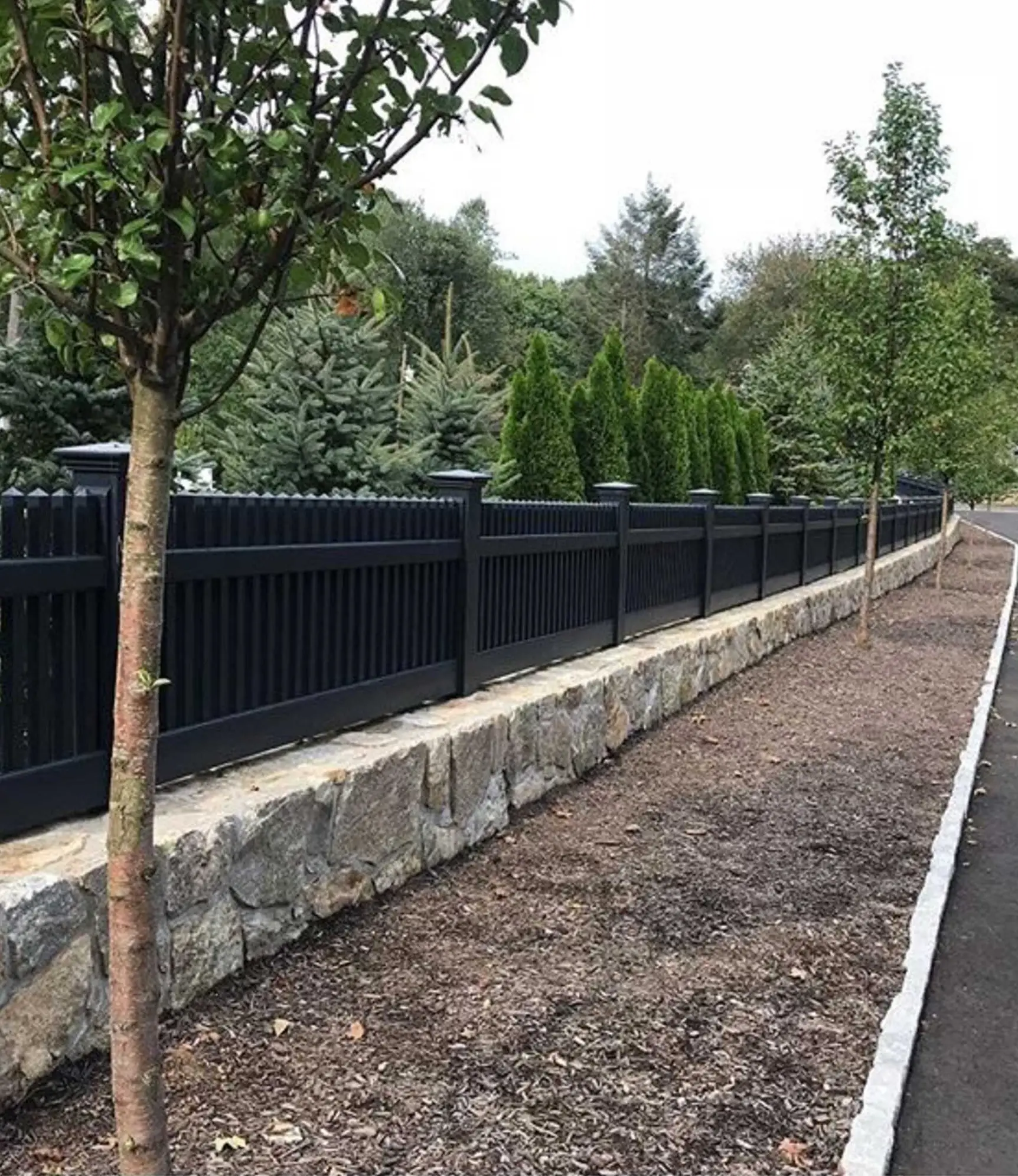
Privacy fence cost per foot usually falls between $25 and $50 installed, but your exact total depends on two things more than anything else: the material you choose and how straightforward the installation is.
The timing matters, too. Home improvement pricing is not static, and broader cost pressures can show up in everyday projects. For example, the Producer Price Index increased 2.7% from September 2024 to September 2025, reflecting ongoing shifts in what businesses pay for goods and services.
To turn that range into a real budget for your yard, the next step is understanding what a “per foot” quote actually includes and what it leaves out.
In This Guide
Fast Facts
- An installed privacy fence is typically $25–$50 per linear foot, driven by material and site complexity.
- Per-foot quotes may exclude gates, removal, staining, and permits, so confirm inclusions.
- Materials often run $10–$30 per foot, but premium woods/composites can be higher.
- Labor is commonly $15–$20 per foot; slopes, rock, access, and corners raise time and cost.
- Measure linear footage and get itemized, on-site quotes for the most accurate total.
How Much Does a Privacy Fence Cost?
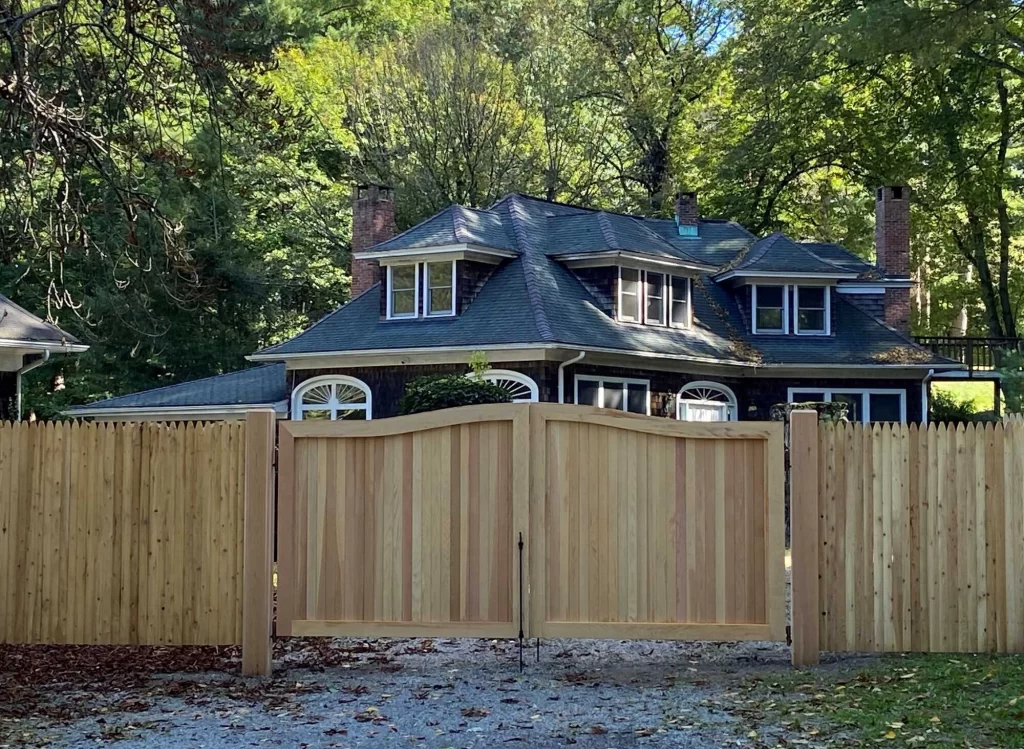
As discussed, the typical privacy fence cost averages about $25 to $50 per linear foot installed. However, the real cost of a privacy fence depends heavily on the material you choose and how complex the job site is.
PRICING NOTE: Actual pricing can vary widely based on your location and the contractor's labor rates. Your final cost will depend heavily on various unique factors.
What “Cost Per Foot” Usually Includes
Most installed per-foot quotes cover:
- Fence materials (posts, rails, pickets or panels, fasteners, concrete)
- Labor to install the fence (layout, post setting, assembly)
- Basic cleanup
What is often priced separately and can raise privacy fence installation cost:
- Old fence removal and disposal
- Gates (walk gates, double gates)
- Staining or sealing (common for wood)
- Permits, surveys, or HOA documentation if needed
A clear scope matters because the cost of a privacy fence can look “low” per foot until the add-ons are listed. When you request bids from local fence companies, ask for an itemized breakdown so your privacy fence cost reflects the full project.
Materials Cost
A common planning range for materials alone is $10 to $30 per foot, but wood species and grade can push that higher. Use the table below as a reference point for material pricing ranges.
Material Type | Estimated Cost Per Linear Foot |
Cedar | $35–$40 |
High-quality Western Red Cedar | $45–$90 |
Pine (Low-grade) | $20–$45 |
Pine (Pressure-treated) | $45–$90 |
Redwood (Low-grade) | $35–$50 |
Redwood (High-grade) | $70–$120 |
Spruce | $22–$35 |
Cypress | $27–$43 |
Composite | $55–$85 |
Black locust | $40–$80 |
Tropical hardwoods | $35–$55 |
Oak | $30–$75 |
Labor Cost
Labor for installing a privacy fence often ranges from $15 to $20 per foot, and that labor component is a big reason privacy fence installation cost varies so widely. Labor typically covers:
- Layout and marking the fence line
- Digging post holes and setting posts in concrete
- Installing rails and panels or pickets
- Alignment, leveling, and basic cleanup
Common factors that increase privacy fence installation cost:
- Sloped yards that require stepped sections
- Rocky soil that slows digging or requires specialized equipment
- Limited access that makes hauling materials harder
- More corners and turns that add time
- Taller heights that need stronger posts and deeper settings
Total Installed Cost Examples (Materials + Labor Together)
When you combine typical materials and labor, it's easy to see how the average installed privacy fence cost lands in the $25 to $50 per-foot range. Here's what that can look like in total project budgeting:
- 100 linear feet: $2,500 to $5,000
- 150 linear feet: $3,750 to $7,500
- 200 linear feet: $5,000 to $10,000
These totals can change fast if your job requires demolition, multiple gates, or extensive site prep that increases privacy fence installation cost.
Factors That Affect Privacy Fence Installation Cost
Two privacy fences with the same linear footage can end up with very different totals once real-world site conditions come into play. It's important to remember that installation pricing can vary widely based on your location, the contractor you hire, local requirements, and the exact scope of work.
General factors include:
Terrain and Grade Changes
Sloped yards usually cost more because installers can't repeat the same steps over and over at the same height. When a fence line climbs or drops, crews often need stepped sections, additional leveling, and more careful layout to keep panels looking consistent.
Soil Conditions and Digging Difficulty
Post holes are the foundation of the entire job, so soil conditions matter more than most homeowners expect. In loose, predictable soil, digging and setting posts tends to move quickly. In rocky ground, heavy clay, or ledge, crews may need different tools, deeper excavation, or more time per hole to achieve a stable set.
Access to the Fence Line
Limited access reduces efficiency. Narrow side yards, steep paths, and obstacles like patios or dense landscaping can force more hand-carrying and slower staging of materials. More labor hours generally increases the total privacy fence installation cost.
Fence Height and Wind Load Requirements
Height influences both materials and structure, not just appearance. Taller fences generally require larger posts, deeper footings, and more robust framing to stay straight and secure over time. Wind exposure can add another layer, since open lots and corner properties may need additional reinforcement to handle gusts without leaning or loosening.
Layout Complexity (Corners, Angles, Short Runs)
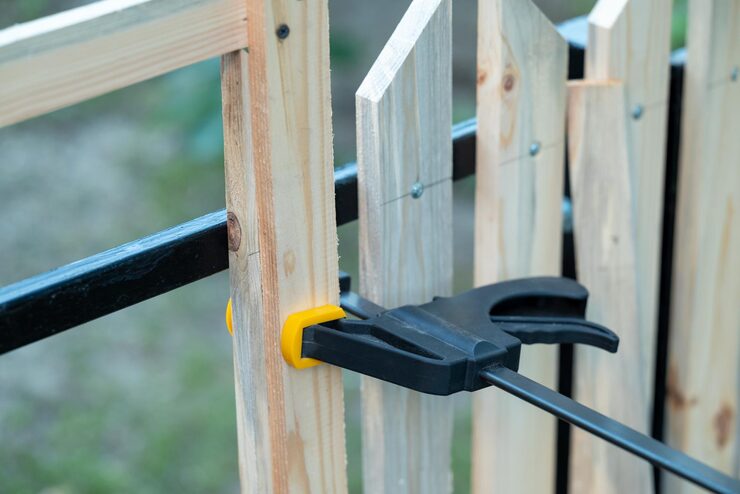
Straight runs are the most efficient. Every corner adds posts, cuts, and alignment steps, and short segments can be less efficient than long lines. More complexity often increases your overall privacy fence cost.
Gates and Hardware
Gates can look like small add-ons, but they often require the most precision on the job. A gate needs a strong frame, reliable hinges, a latch that lines up correctly, and posts that are set to prevent sagging over time. Wider openings, double gates, and upgraded hardware add complexity, and that usually increases labor.
Removal of an Existing Fence and Site Prep
Replacing a fence often starts with removal, and that work can be time-consuming. Pulling posts set in concrete, dismantling panels, and hauling debris adds labor and disposal fees. Site prep can also include clearing brush, trimming back roots, or correcting minor grade issues so the new fence line installs cleanly.
Permits, Property Lines, and Approval Requirements
Paperwork rarely changes the build itself, but it can affect scope and timing. Some areas require permits for certain fence heights or locations, and HOAs may have rules about style, color, or setback. Local fence companies often help homeowners understand what's common in their town, which can prevent redesigns or delays that disrupt scheduling.
How to Get the Most Accurate Price for Your Property
If you want the most accurate total, schedule an on-site evaluation so the contractor can see terrain, soil conditions, access points, and layout complexity in person. For homeowners in Litchfield County, getting a quote from Connecticut Fence & Gate can be a practical next step, since a local measurement and itemized estimate make it easier to budget with confidence.
Measure the Fence Line the Same Way Contractors Do
Start with linear footage along the exact path where the fence will be installed, not just your property dimensions on paper. Walk the perimeter, measure each run, and note where the fence turns or stops. Accurate measurements make it easier to compare estimates and avoid surprises in the final privacy fence cost.
Lock in the Scope Before You Compare Numbers
Pricing changes quickly when the scope changes. Decide on fence height, material category, and whether you need the removal of an existing fence before you request bids. This keeps each estimate aligned and makes the cost of a privacy fence easier to compare across contractors.
Identify the Details That Change Installation Time
Make a short list of site factors that can influence labor, since labor is often the variable that shifts totals the most. Include slope areas, rocky soil, access constraints, and the number of corners and gates. Sharing these details upfront helps local fence companies give a closer estimate of privacy fence installation cost.
Request Itemized Quotes From Local Fence Companies
Ask for 2 to 3 quotes from local fence companies, and request itemized pricing so you can compare apples to apples. At a minimum, you can know how much a privacy fence costs by asking them to break out:
- Materials and base fence line pricing
- Gates and hardware
- Removal and disposal, if needed
- Any added site prep work that could affect the privacy fence installation cost
Get a Site Visit When You Want a Real Number
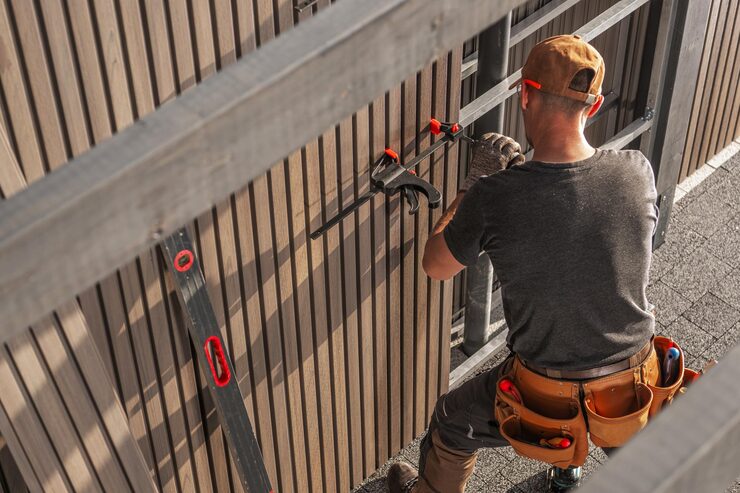
If you want the most accurate total, schedule an on-site evaluation so the contractor can see terrain, soil conditions, access points, and layout complexity in person. This is especially helpful for larger projects or when you want to avoid underestimating privacy fence installation costs.
Frequently Asked Questions (FAQs)
How much does a 6-foot privacy fence cost per foot?
A typical installed range is about $25 to $50 per linear foot, with the biggest swings coming from material choice and jobsite complexity. Prices can also vary by location and contractor.
What is the best inexpensive 8-foot privacy fence for a backyard?
For many homeowners, a simple pressure-treated pine build is often the most budget-friendly route to an inexpensive 8 foot privacy fence, especially when you limit gates and decorative upgrades. Since 8-foot height rules vary, it's smart to confirm local requirements before pricing.
Do privacy fences increase property value?
A privacy fence can improve curb appeal and backyard usability, which may support value in some markets, but the impact depends on neighborhood expectations and the fence's condition and style.
What is the best time of year to install a fence?
Late spring through early fall is often preferred because weather and soil conditions typically make digging and scheduling easier. Contractor availability and seasonal demand can still affect timing.
Is it cheaper to buy or build a privacy fence?
DIY is often cheaper upfront because you avoid labor costs, but professional installation may reduce errors and long-term repairs. The best value depends on tools, time, and site conditions like slope or rocky soil.
Get a Clear, Itemized Privacy Fence Quote in Litchfield County
If you are trying to move from general averages to a reliable project number, an itemized quote is the fastest way to confirm your true privacy fence cost. Connecticut Fence & Gate can measure your fence line, discuss material and height options, and identify site factors that affect privacy fence installation cost in Litchfield County.
Contact us today to learn more about our services.