
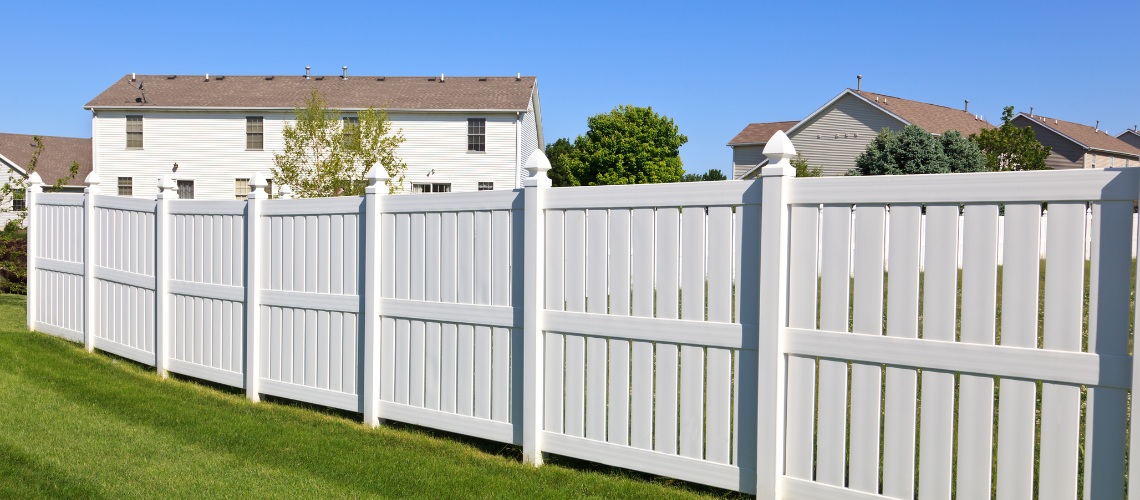
A fence is not a one-time investment. It is a structure exposed to constant stress from weather, soil movement, moisture, and daily use. Many homeowners assume a fence will last decades without much attention, but the reality is more nuanced.
In practice, fence lifespan is shaped by three core factors: material durability, installation quality, and ongoing care. This is why homeowners searching for fencing contractors near me often discover that two fences installed in the same neighborhood can age very differently.
What's In This Guide
Quick Facts
- Fence lifespan depends on material, installation, drainage, and upkeep.
- Most fences last longer with regular maintenance and early repairs.
- Posts often show fence problems before panels do.
- Leaning, rot, rust, and gate sag should be checked early.
- Local fencing contractors can assess the real fence condition.
How Long Should a Fence Last?
Most residential fences last anywhere from 15 to 35 years, depending on the material and how well they are maintained. However, that range only tells part of the story.
A properly installed fence with solid post depth, good drainage, and consistent maintenance can exceed expectations. On the other hand, poor installation or neglected upkeep can shorten fence lifespan significantly.
Here is a practical overview homeowners can use as a baseline:
- Wood fences: Typically 15 to 20 years
- Chain-link and steel fences: Often 25 to 35 years
- Vinyl fences: Commonly 20 to 30 years
- Aluminum or ornamental metal fences: Can last 30 years or more with proper care
Material Matters Most: Fence Lifespan by Fence Type
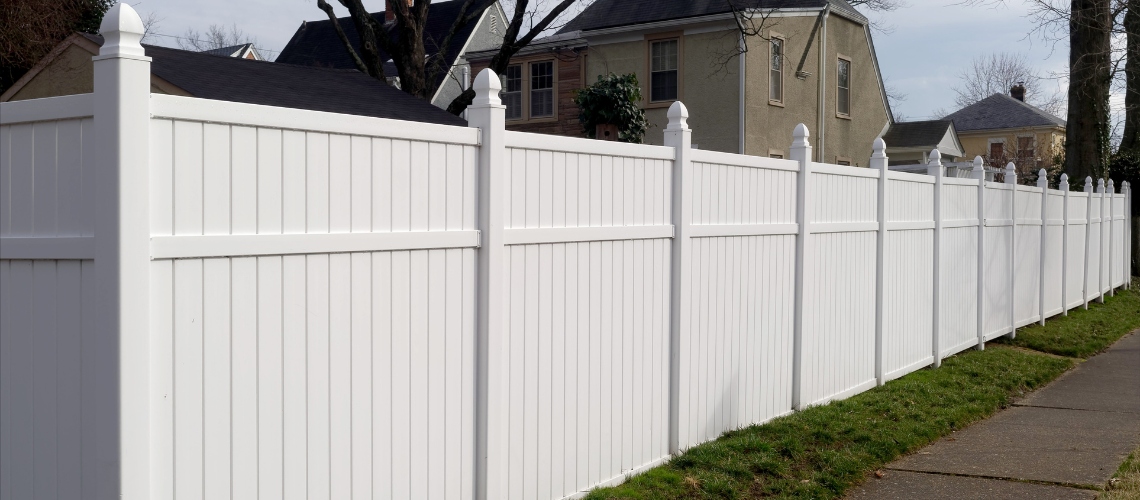
Different materials respond differently to moisture, sun exposure, and structural stress. Understanding these differences helps explain why some fences last decades while others require early replacement.
Wood Fence Lifespan
In most cases, a wood fence's lifespan ranges from 15 to 20 years, but that range depends heavily on maintenance and site conditions.
Factors That Affect Wood Fence Lifespan
These are the details contractors check first when evaluating how much life a wood fence may have left.
- Pressure-treated wood holds up better outdoors
- Post rot shortens life faster than board damage
- Soil contact traps moisture at the base
- Poor drainage speeds up decay
- Full sun can dry and crack boards
- Shade can keep wood damp longer
- Loose fasteners weaken rails and pickets
Tips To Extend Wood Fence Lifespan
Small maintenance steps can make a noticeable difference in how long a wooden fence lasts when done before damage spreads.
- Seal or stain exposed wood regularly
- Keep mulch off the bottom of panels
- Trim plants back for better airflow
- Redirect sprinklers away from the fence
- Replace loose boards early
- Check posts for softness each season
When Repair or Replacement Makes Sense
The best option depends on whether the damage is isolated or structural.
- Repair split boards in limited areas
- Repair rails if posts remain solid
- Replace sections with multiple weak posts
- Replace the fence if leaning is widespread
Chain-Link Fence Lifespan
Chain-link fences usually last longer than wood, but their durability depends on coating condition, post stability, and how much corrosion the metal has to fight off over time.
Factors That Affect Chain-Link Fence Lifespan
Contractors usually focus on coating wear, rust points, and tension issues when checking this fence type.
- Galvanized coating slows rust
- Scratches expose bare metal
- Wet soil weakens post bases
- Salt speeds corrosion
- Loose mesh strains the frame
- Gate hardware often wears first
Tips To Extend Chain-Link Fence Lifespan
Chain-link usually needs less upkeep, but early attention still helps preserve its structure.
- Treat rust spots early
- Keep vines out of the mesh
- Check posts after storms
- Tighten sagging sections promptly
- Lubricate hinges and latches
When Repair or Replacement Makes Sense
Metal fences are often repairable unless corrosion has spread into the structure.
- Repair small damaged mesh areas
- Repair isolated hardware problems
- Replace sections with rusted rails or posts
- Replace long runs with repeated sagging
Vinyl Fence Lifespan
Vinyl fencing is often chosen for its lower maintenance demands, but its long-term performance still depends on installation quality.
Factors That Affect Vinyl Fence Lifespan
With vinyl, the surface may look fine even when the support system underneath is starting to move.
- Weak post setting causes shifting
- Freeze-thaw cycles stress connections
- Impact can crack panels
- UV exposure fades older vinyl
- Poor spacing adds panel stress
Tips To Extend Vinyl Fence Lifespan
The goal with vinyl is to keep the panels stable and prevent small damage from spreading.
- Wash off dirt and buildup
- Check posts for movement
- Replace cracked panels early
- Keep gates aligned
- Avoid impact from heavy equipment
When Repair or Replacement Makes Sense
Vinyl repairs work best when the problem is limited to a panel or gate area.
- Repair one cracked panel
- Repair loose gate hardware
- Replace sections with shifting posts
- Replace if cracking appears in several areas
➤ READ MORE ABOUT VINYL FENCE: How to Maintain Fence Vinyl: Tips From a Trusted Fence Company Near Me
Aluminum and Ornamental Metal Fence Lifespan
Aluminum and ornamental metal fences can last 30 years or more, but they still need attention at connection points, gates, and coated surfaces.
Factors That Affect Metal Fence Lifespan
For metal fences, contractors usually assess finish wear, post movement, and gate stress before estimating remaining life.
- Protective coating helps resist corrosion
- Chipped areas can expose metal
- Pooling water weakens the post bases
- Salt can wear down finishes faster
- Heavy gates strain hinges and posts
Tips To Extend Metal Fence Lifespan
Routine checks help catch hardware and finish problems before they affect stability.
- Inspect for chips or worn spots
- Touch up exposed areas early
- Keep water away from posts
- Tighten loose brackets
- Watch for gate drag or sag
When Repair or Replacement Makes Sense
Metal fences often last well, but structural corrosion changes the equation quickly.
- Repair isolated finish damage
- Repair a single loose gate
- Replace sections with structural corrosion
- Replace if multiple posts are out of line
Why Installation Quality Has a Bigger Impact Than Material
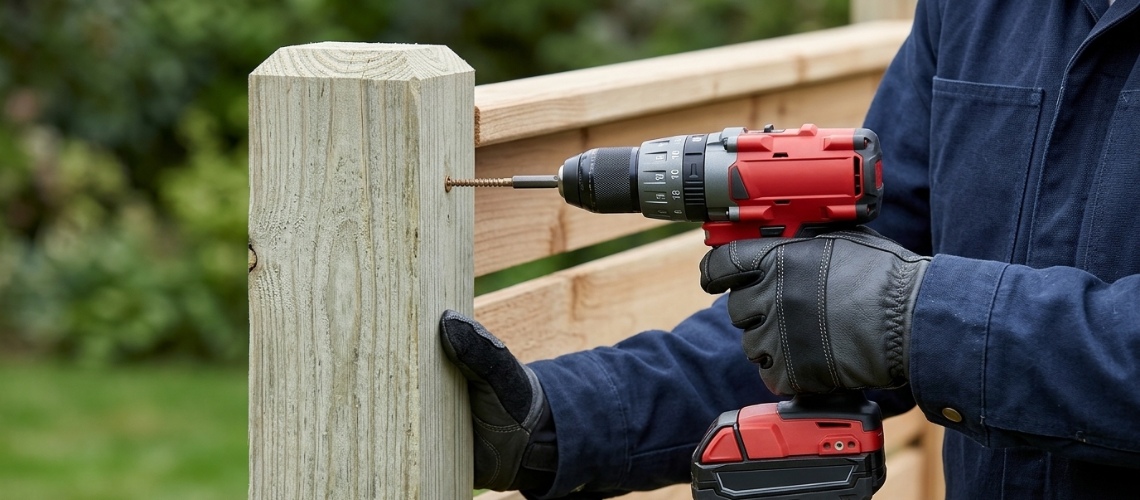
Homeowners often focus on the material first, but experienced fencing contractors near you know that a well-installed fence usually outperforms a poorly installed one, even when both use the same product. Material sets the baseline, but installation determines whether the fence can handle moisture, movement, wind, and years of daily use.
Post Depth and Footing Strength Matter First
The parts you do not see often have the biggest effect on how long a fence lasts. Posts carry the load of the entire fence line, so depth and footing quality directly affect long-term stability.
Why Contractors Focus on Posts First
A fence can look fine above ground while the structure below is already failing.
- Shallow posts shift faster
- Weak footings loosen over time
- Uneven post depth causes movement
- Loose posts shorten fence lifespan
- Post failure spreads stress to rails and panels
Signs the Post Installation May Be Failing
These problems usually show up before full structural failure.
- Leaning sections
- Wobbling posts
- Gates that drag
- Panels pulling out of line
- Gaps changing between boards or pickets
Drainage Can Make or Break Fence Lifespan
Even durable materials wear out faster when water collects around the base. Good installation accounts for grading, runoff, and soil conditions from the start.
Why Drainage Affects Longevity
Moisture problems can reduce both structural life and appearance.
- Standing water speeds wood rot
- Wet soil loosens posts
- Rust forms faster in damp conditions
- Freeze-thaw cycles shift footings
- Poor drainage reduces wood fence lifespan
Common Installation Mistakes That Create Moisture Problems
Small grading issues can lead to major lifespan loss over time.
- Setting posts in low spots
- Ignoring runoff from downspouts
- Leaving soil piled against panels
- Failing to plan for the slope
- Trapping debris at the base
Layout and Spacing Affect Long-Term Performance
Fence alignment is not just about looks. Proper spacing helps the structure carry weight evenly and respond better to weather and movement.
What Contractors Check During Layout
A fence line that is rushed during installation often shows earlier wear.
- Post spacing must stay consistent
- Long runs need stable alignment
- Uneven terrain needs careful adjustment
- Gates need reinforced support points
- Poor spacing can reduce fence lifespan
Hardware and Fastener Choices Matter More Than Homeowners Think
Panels and pickets get attention, but the connections between them often determine how long the fence stays solid. Weak hardware can shorten service life even when the material itself is still in good shape.
Where Installation Quality Shows Up in the Hardware
This is one of the clearest differences between quick installs and durable ones.
- Undersized fasteners loosen faster
- Low-grade hardware corrodes sooner
- Poor hinge placement strains gates
- Weak brackets allow panel movement
- Bad connections shorten fence lifespan
Early Warning Signs Your Fence Is Aging Faster Than It Should
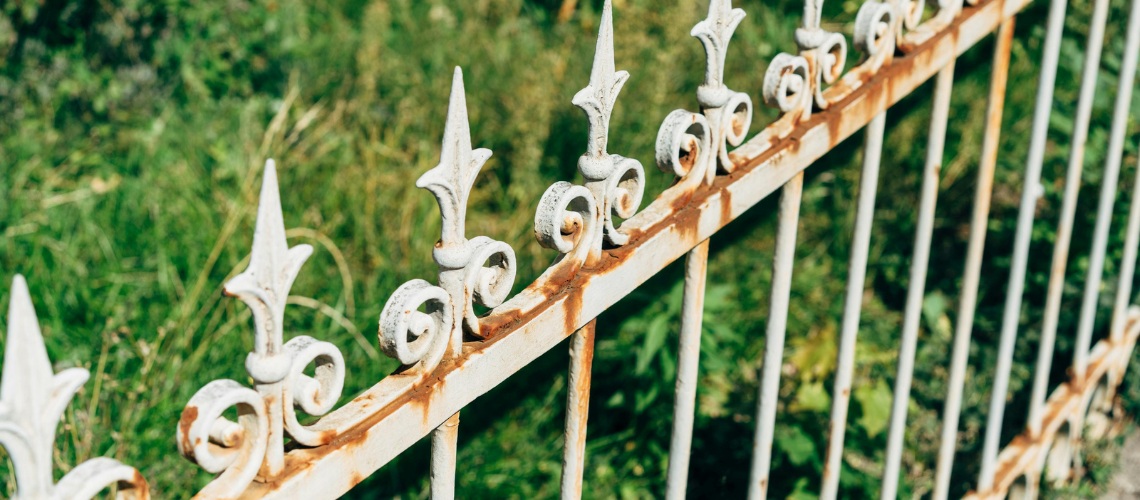
Fences rarely fail overnight. In most cases, there are early warning signs that your fence lifespan may be shorter than expected. Spotting these issues early can help you decide whether simple repairs are enough or whether it is time to call fencing contractors for a deeper inspection.
- Leaning or tilting sections
- Soft or rotting wood at post bases
- Loose or missing boards
- Rust forming on metal components
- Gates sagging or dragging
- Cracks or warping in panels
- Gaps widening between pickets
- Posts shifting after heavy rain or freezing
Frequently Asked Questions (FAQs)
Does fence color affect how long a fence lasts?
Yes, it can. Darker finishes on wood and some vinyl fences may absorb more heat, which can increase surface stress over time. Color alone will not determine failure, but it can contribute to fading, drying, and expansion in areas with strong sun exposure.
Can a fence last longer on one side of the yard than the other?
Yes. One side may get more sun, more shade, more wind, or more moisture. That uneven exposure can cause certain sections to age faster, especially with wood fencing.
Will power washing damage a fence?
It can if the pressure is too high. On wood, aggressive washing can strip protective finishes and damage the surface. On vinyl, it may force water into weak joints. A lower-pressure cleaning method is usually safer.
How often should a homeowner have a fence professionally inspected?
A good rule is every few years, or sooner if you notice leaning, sagging gates, or post movement. Professional inspections are especially helpful after storms, heavy rainfall, or freeze-thaw cycles.
Does replacing one fence section extend the life of the whole fence?
Sometimes, but not always. Replacing one damaged section can help if the surrounding posts and panels are still in strong condition. If the rest of the fence is aging at the same rate, a section repair may only be a short-term fix.
Schedule a Professional Fence Evaluation Before Damage Spreads
If you are noticing signs of aging or want a clearer understanding of your fence lifespan, a professional assessment can help you act early and avoid costly repairs.
Connecticut Fence & Gate works with homeowners in Litchfield County to evaluate fence condition, uncover hidden issues, and recommend practical next steps built for long-term value.
Schedule your fence assessment today and get expert insight before small problems turn into major replacements.