Quick Facts
Metal fencing is one of the most durable options for Connecticut's wet and freeze-thaw climate.
Galvanized steel offers maximum strength, while aluminum provides superior rust resistance.
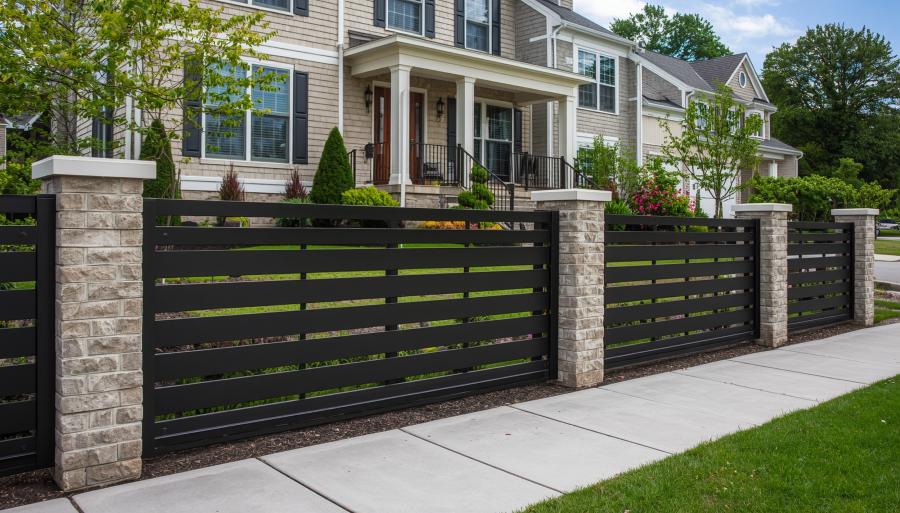
Design options range from traditional ironwork to modern laser-cut panels and horizontal slats.
Costs depend on material type, customization level, and installation complexity.
Proper coating, professional installation, and routine maintenance significantly extend lifespan.
What's Inside
Metal fencing remains one of the most versatile and design-flexible options for Connecticut homeowners, especially in areas where harsh weather conditions can take a toll on outdoor materials.
Unlike wood, which can warp or rot, or vinyl, which can crack in extreme temperatures, metal fencing delivers reliable strength, long-term performance, and a wide range of style options. You can keep the look classic with traditional ironwork details or go sleek and modern with privacy-forward panels—without sacrificing durability.
Long wet seasons, snow, and freeze-thaw cycles can wear down exterior materials fast, so choosing a fence that's built to hold up can save time, maintenance, and headaches over the years.
Why Metal Fencing Remains a Top Choice for CT Homeowners
 Built for Connecticut's Climate
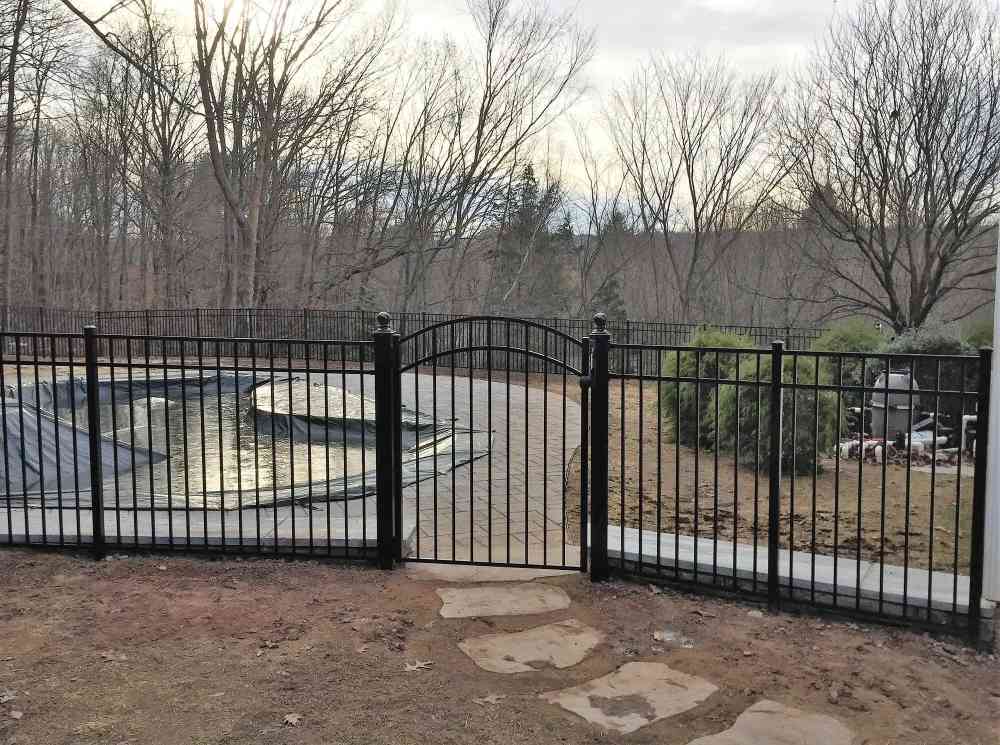
Connecticut's wide seasonal temperature swings can cause expansion, cracking, and material fatigue in outdoor structures. Wood is particularly vulnerable to moisture absorption and rot, while vinyl can become brittle in colder temperatures. In contrast, galvanized steel and powder-coated aluminum are designed to resist corrosion and structural weakening. Hot-dip galvanized steel can provide decades of corrosion protection, making metal fencing especially well-suited for Connecticut's demanding climate.
Stronger Security and Boundary Definition
Metal fencing provides greater security than many other materials. Steel and wrought iron designs are difficult to breach, while aluminum fencing creates clear property boundaries without feeling visually heavy. For homeowners with pets, children, or a need for clear perimeter definition, metal fence styles deliver reliable strength without sacrificing curb appeal.
Long-Term Value and Lower Maintenance
Although metal fencing can cost more upfront, maintenance requirements are typically lower over time. Unlike wood fences that need regular staining or sealing, powder-coated metal fencing usually requires only occasional inspection and cleaning. For Connecticut homeowners seeking durability, visual appeal, and long-term performance, metal fencing remains a practical and resilient choice.
Top 5 Metal Fence Design Ideas for Connecticut Homes
1. Rustic Ironwork Fences
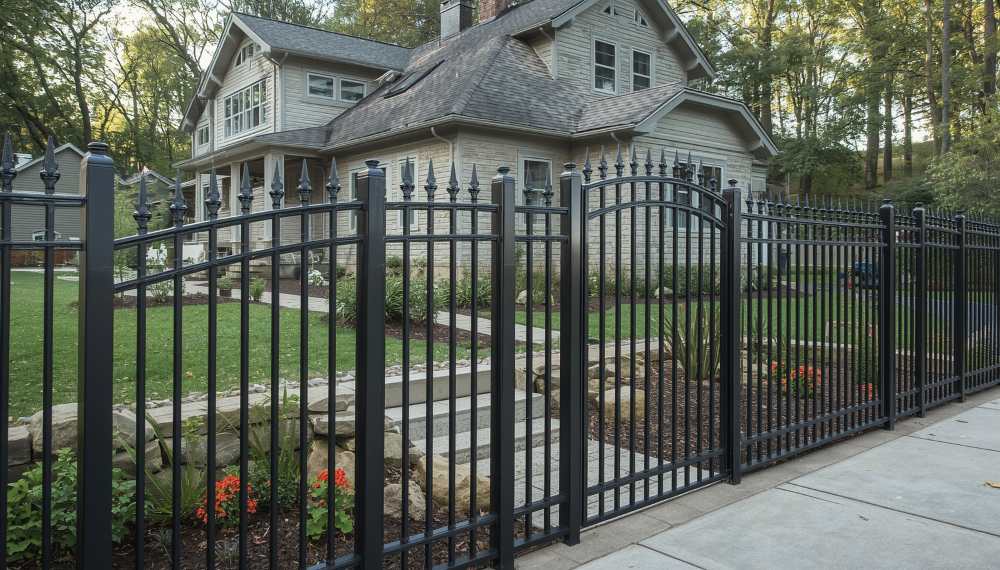
Rustic ironwork fences often feature scrolls, spear-top finials, arched gates, and hammered textures. Matte black, oil-rubbed bronze, or weathered finishes enhance the traditional appearance. This style is commonly associated with wrought iron fence designs, although many modern installations use steel for improved strength and lower cost.
Best Applications
- Colonial-style homes
- Farmhouses and historic properties
- Estate-sized front yards
- Colonial-style homes
Rustic ironwork complements traditional New England architecture, making it a strong aesthetic match for many Connecticut homes.
Pros
- Strong visual presence
- High structural integrity
- Long lifespan when galvanized and powder-coated
- Strong visual presence
Considerations
Custom fabrication increases cost. Iron and steel also require protective coatings to prevent corrosion, especially in regions where winter road salt exposure can accelerate rust. For homeowners prioritizing character and architectural harmony, rustic ironwork remains one of the most timeless metal fence design ideas available.
➤ READ: How to Pick the Best Fence Vinyl Style for Your Home in Connecticut
2. Contemporary Laser-Cut Metal Panels
Laser-cut metal fence panels are fabricated using CNC or laser technology to create intricate geometric, botanical, or abstract patterns. These panels are typically made from steel or aluminum and finished with powder coating for weather resistance.
Why They're Growing in Popularity
Modern homeowners increasingly seek privacy without sacrificing design. Laser-cut panels provide partial screening while allowing airflow and light.
They can serve as:
- Full perimeter fencing
- Decorative gate inserts
- Privacy screens for patios
- Full perimeter fencing
The clean lines align well with contemporary and transitional architecture.
Practical Considerations
Because panels can catch wind, proper structural reinforcement is critical. Panels should be powder-coated to ensure long-term corrosion resistance in Connecticut's moisture-heavy climate. While fabrication costs are higher than standard picket fencing, the visual impact is distinctive and customizable.
For homeowners seeking a modern metal fencing statement, laser-cut panels offer a high-end architectural solution.
3. Horizontal Metal Slat Fencing
Horizontal metal slat fencing has grown in popularity as a contemporary alternative to traditional vertical pickets or wood boards. Aluminum or steel slats are installed with adjustable spacing to create varying levels of privacy.
Advantages
- Clean, minimalist appearance
- Lower maintenance than wood
- Durable against moisture and insects
- Clean, minimalist appearance
Unlike wood fences, metal slats won't warp or require frequent staining.
Ideal Settings
- New construction homes
- Backyard privacy enclosures
- Pool areas (if code-compliant)
- New construction homes
Code Considerations for Pools
According to the Centers for Disease Control and Prevention (CDC), drowning remains a leading cause of accidental death for children ages 1–4 in the U.S. Proper pool barriers significantly reduce risk. Local building codes typically require minimum fence heights and self-latching gates. Before installation, always verify municipal pool fencing regulations. Horizontal metal fence styles offer a balance between privacy and contemporary curb appeal.
4. Industrial-Style Steel Fencing
Industrial-style fencing emphasizes simplicity and strength. Finishes may range from matte black to darker metallic tones.
Designs often include:
-
- Straight vertical bars
- Welded wire mesh
- Minimal ornamentation
- Straight vertical bars
Where It Works
-
- Urban residential properties
- Modern renovations
- Homes with exposed brick or steel accents
- Urban residential properties
Benefits
-
- High strength and durability
- Cost-effective compared to ornate wrought iron
- Straightforward installation
- High strength and durability
Climate Considerations
In Connecticut's climate, steel fencing should be galvanized and powder-coated to resist moisture and snow exposure. Without protective treatment, corrosion can reduce lifespan. Industrial steel fencing prioritizes function, security, and clean aesthetics.
5. Decorative Aluminum Fencing
Decorative aluminum fencing is one of the most common residential metal fence styles in the U.S. It offers a similar look to wrought iron but at a lower cost and with less maintenance. Aluminum naturally forms a protective oxide layer that resists corrosion, making it well-suited for outdoor applications.
How It Compares to Wrought Iron
-
- More affordable
- Lightweight and easier to install
- Rust-resistant
- More affordable
While steel is stronger in pure structural terms, aluminum fencing provides sufficient durability for most residential applications.
Ideal For
-
- Backyard enclosures
- Pet containment
- Sloped properties (rackable panels adjust to grade changes)
- Backyard enclosures
For homeowners seeking decorative metal fencing with lower upkeep, aluminum remains a practical choice.
How to Choose the Right Metal Fence Design for Your Property
Selecting the right metal fence design involves more than aesthetics. Follow these steps to narrow your options.
Step 1: Define the Primary Purpose
Clarify your goal:
- Security
- Privacy
- Decorative boundary
- Pool safety
Purpose determines height, spacing, and material selection.
Step 2: Evaluate Property Layout
Consider:
- Sloped terrain
- Soil stability
- Wind exposure
- Proximity to property lines
These factors influence post depth, panel type, and reinforcement requirements.
Step 3: Account for Connecticut Climate
Snow loads, moisture, and freeze-thaw cycles can affect structural components. Galvanization and powder coating improve corrosion resistance and long-term durability.
Step 4: Balance Budget and Lifecycle Value
Upfront costs vary widely. Metal fencing can range broadly depending on the material and customization. While steel and wrought iron may cost more initially, proper coating reduces long-term maintenance expenses.
Step 5: Confirm Local Zoning and Permits
Municipalities often regulate fence height, especially for front yards and pools. Always verify local codes before installation.
Metal Fence Cost Factors in Connecticut
Several variables influence the total cost of metal fence installation.
Material Type
- Aluminum: Generally more affordable
- Steel: Stronger but heavier
- Wrought Iron: Highest cost due to custom fabrication
- Aluminum: Generally more affordable
Customization Level
Laser-cut designs, decorative finials, and automated gates increase fabrication expenses.
Installation Complexity
Sloped terrain, gate automation, and extensive linear footage raise labor costs.
Long-Term Maintenance
Powder-coated finishes reduce repainting needs. Galvanization increases lifespan but may add to the initial cost. Understanding these variables helps homeowners compare design options realistically.
Maintenance Tips for Long-Lasting Metal Fences
Routine care extends the life of any metal fence.
- Inspect annually for scratches or coating damage
- Remove salt buildup and debris
- Touch up exposed metal promptly
- Lubricate hinges and gate hardware
- Reapply protective coatings when necessary
Frequently Asked Questions
1. What type of metal fence lasts the longest?
Galvanized steel fencing typically lasts the longest due to its strength and corrosion-resistant zinc coating. With proper powder coating and maintenance, galvanized steel fences can last several decades. Aluminum also offers long-term durability, especially in moisture-prone climates like Connecticut, because it naturally resists rust.
2. What is the most affordable metal fence option?
Decorative aluminum fencing is generally the most cost-effective metal fence style for residential properties. It provides the appearance of wrought iron at a lower material and installation cost while requiring less maintenance over time.
3. Are metal fences good for privacy?
Yes, depending on the design. Horizontal slat fencing and laser-cut metal panels can be installed with minimal spacing to create partial or full privacy. Traditional ornamental styles offer more visibility and are better suited for boundary definition rather than privacy.
4. Does metal fencing increase property value?
A professionally installed metal fence can improve curb appeal, security, and overall property presentation. According to the National Association of Realtors, exterior improvements positively influence buyer perception, which can support resale value.
5. How much does metal fence installation cost in Connecticut?
Costs vary based on material, height, customization, terrain, and gate features. Aluminum fencing is generally more affordable, while steel and custom ironwork cost more due to fabrication and installation complexity. Local site conditions and permitting requirements also affect final pricing.
Upgrade Your Property with a Professionally Designed Metal Fence
Metal fence designs range from rustic ironwork to modern laser-cut panels, offering options for nearly every architectural style. The right choice depends on your property layout, privacy needs, local codes, and long-term durability expectations.
Professional installation ensures structural integrity, proper post depth, and compliance with Connecticut regulations. For homeowners seeking durable, climate-appropriate metal fencing solutions, Connecticut Fence & Gate provides experienced design and installation services tailored to residential properties.
A well-designed metal fence enhances security, defines boundaries, and elevates curb appeal for years to come.