
Quick Facts
- Minor fence damage can often be repaired, but widespread issues may require replacement.
- Rot, leaning posts, rust, and repeated repairs often signal deeper problems.
- Frequent repairs can eventually cost more than a new fence.
- Older fences are more likely to fail and require replacement.
- A professional inspection can help determine the best option.
What's In This Guide
Fences naturally wear down over time due to weather exposure, aging materials, and daily use. While some issues can be fixed with simple repairs, others may signal deeper structural problems that require a more complete solution. Understanding the difference can help homeowners make a more practical and cost-effective decision for their property.
Here are five signs your fence may need a full upgrade.
Fence Repair vs Fence Replacement: What's the Difference?
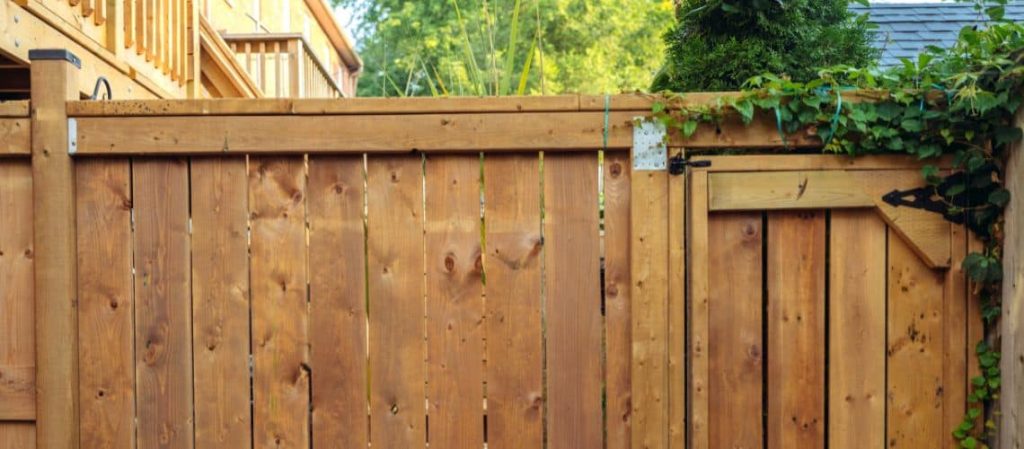
Before deciding what to do with a damaged fence, it helps to know when a repair is enough and when full replacement makes more sense.
|
Fence Repair |
Fence Replacement |
|
Fixes isolated damage |
Installs a new fence |
|
Best for Minor issues |
Best for Widespread damage |
|
Examples: Replace boards, fix a post, repair hardware, repaint, and remove light rust |
Examples: Replace failing posts, damaged sections, or the entire fence line |
|
The fence is mostly solid and straight |
The fence is unstable or deteriorated |
|
Lower upfront cost |
Higher upfront cost, lower repeat repair costs |
|
Extends fence life |
Improves strength, safety, and appearance |
|
Decision point: Most of the fence is still in good shape |
Decision point: The fence can no longer be reliably repaired |
5 Signs Your Fence Needs a Full Upgrade
Recognizing the warning signs early can help homeowners avoid ongoing repairs that do not address the underlying problem.
1. Extensive Rot, Decay, or Termite Damage
Wood fences are especially vulnerable to moisture, insects, and weather exposure. Rain, humidity, and shifting temperatures can speed up deterioration, affecting both the fence's strength and appearance. While a few damaged boards can often be replaced, widespread rot usually points to a larger structural problem. Once decay reaches the posts, rails, and multiple panels, repairs become less effective and more costly over time.
- Moisture and pest damage: Constant exposure to rain, humidity, soil contact, and termite activity can break down wood over time and weaken the fence from both the outside and inside.
- Signs to watch for: Soft or spongy wood, boards that crumble when touched, splitting panels, and a musty smell usually indicate that the damage is no longer isolated.
- When replacement makes sense: If roughly 20 to 30 percent of the fence is rotting, warping, or splitting, a full replacement is often more practical than continuing to repair it section by section.
2. Leaning, Sagging, or Unstable Fence Posts
Fence posts support the entire structure, so when they begin to fail, the rest of the fence often loses stability as well. A leaning fence is not just a cosmetic issue. It usually means the foundation below the fence is weakening due to soil movement, below-ground rot, poor installation, or repeated freeze-thaw cycles.
- What causes post failure: Shifting soil, hidden rot at the base, and improperly secured posts can all cause sections of the fence to lean or sag over time.
- Signs to watch for: Leaning sections, sagging panels, a wavy fence line, and posts that move when pushed are all signs that the structure may no longer be secure.
- When replacement makes sense: Replacing one loose post may fix a minor issue, but if multiple posts are failing, a full replacement is usually the more reliable solution.
3. The 50 Percent Rule for Recurring Repairs
Some fences become costly not because of one major issue, but because of constant small repairs that never fully solve the problem. When maintenance becomes routine rather than occasional, it is often a sign that the fence is nearing the end of its useful life.
- Why recurring repairs add up: Replacing boards, fixing sagging sections, repainting, and adjusting gates year after year can quickly cost more than homeowners expect.
- What the rule means: A common rule of thumb is that if repair costs approach about 50 percent of the price of a new fence, replacement is usually the better long-term investment.
- When replacement makes sense: If you are dealing with the same repairs season after season, the fence is likely declining across multiple areas, not just one.
4. Widespread Rust or Structural Failure
Fence damage looks different depending on the material, but widespread structural failure is a clear sign that the fence may no longer be dependable. Once the material begins breaking down across several sections, repairs often become temporary rather than lasting.
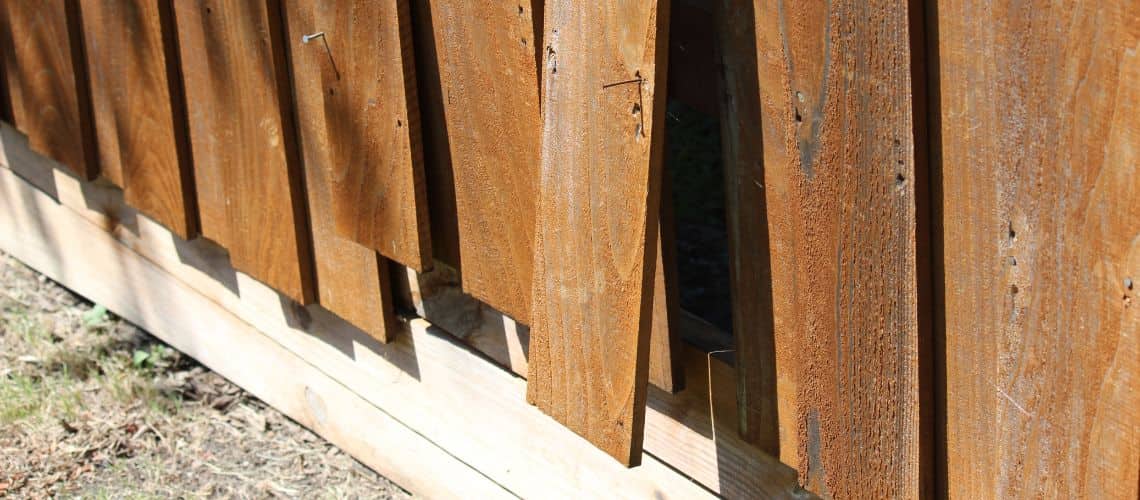
- How structural failure appears: Metal fences may show deep rust, flaking surfaces, and weak joints, while wood or vinyl fences may develop split boards, broken rails, cracked panels, or missing sections.
- Why it matters: Once damage affects the fence's strength, it may no longer provide reliable security, containment, or resistance to normal wind and daily use.
- When replacement makes sense: If structural damage is affecting multiple areas of the fence, replacement is usually the safest and most effective option.
5. Your Fence Has Reached the End of Its Lifespan
Even a well-maintained fence will eventually wear out. As materials age, they become weaker, less reliable, and more difficult to repair in a way that lasts. At a certain point, age alone can make replacement the more practical option.
- Typical lifespan: Wood fences often last 15 to 20 years, vinyl fences 20 to 30 years, and metal fences 25 to 40 years, depending on maintenance and exposure.
- What aging looks like: Older fences may become brittle, weak, and more prone to recurring issues even if they are still standing.
- When replacement makes sense: If the fence is near or past its expected lifespan and no longer meets your needs for privacy, security, or appearance, a full upgrade is often the better choice.
Quick Answer: |
➤ READ NEXT: What's the Best Wood for a Fence?
When Fence Repair Is Still the Right Choice
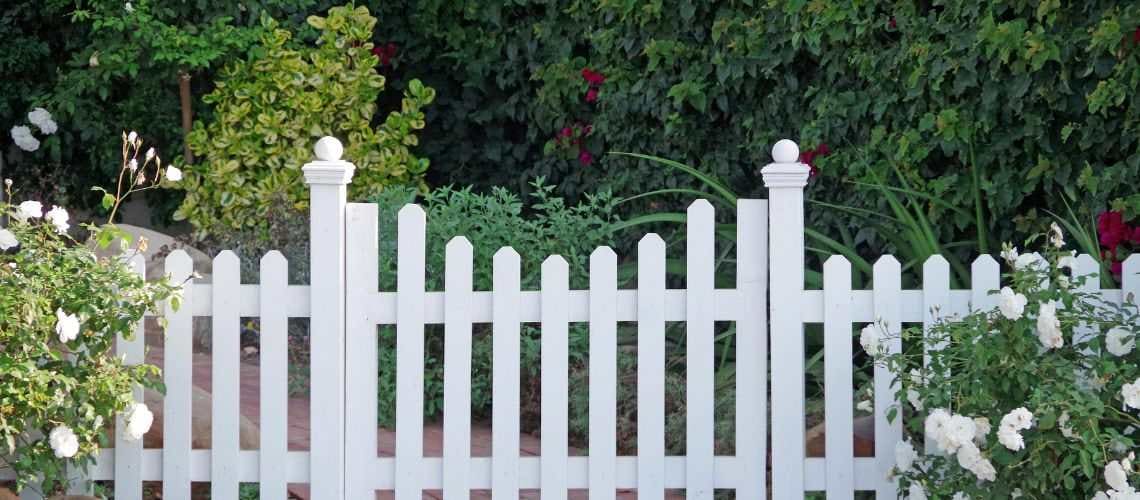
Not every fence problem requires a full replacement. In many situations, targeted repairs can extend the life of a relatively new fence and restore its function without a major investment. If the overall structure remains strong and the damage is limited to a small area, repairing the fence is often the practical choice.
Fence repair is usually the better option when:
- Damage affects less than about 20 percent of the fence: When only a small section is damaged, replacing a few boards or panels can restore the fence without rebuilding the entire structure.
- The fence is relatively new (under five years old): Newer fences typically have solid structural components, so isolated damage can often be fixed without compromising stability.
- Only one or two posts are loose: A single leaning or loose post can often be reset or replaced without affecting the rest of the fence line.
- The issues are cosmetic rather than structural: Problems such as peeling paint, fading stain, or small surface cracks usually do not affect the fence's strength and can be addressed with routine maintenance.
How to Decide Whether to Repair or Replace Your Fence
If you are unsure whether your fence needs repair or replacement, a careful inspection can help clarify the situation.
Step 1: Inspect the Entire Fence Line
Walk the full length of the fence and check each section for visible damage, including rot, rust, leaning posts, cracked panels, and broken rails. Pay close attention to areas near the ground, since moisture damage often starts there.
Step 2: Separate Structural Damage from Cosmetic Issues
Not all fence damage affects safety or performance, so it is important to tell cosmetic wear apart from structural failure. Loose posts, collapsing panels, deep rot, and severe rust usually point to bigger problems, while faded paint, light cracking, and surface wear are often easier to address.
Step 3: Estimate the Extent of the Damage
Try to determine whether the damage is limited to one area or spread across multiple sections of the fence. Small, isolated issues are often repairable, but widespread deterioration usually signals that replacement may be the better option.
Step 4: Compare Repair Costs with Replacement
Get an estimate for repairs and compare it with the cost of installing a new fence. If repair costs are getting close to half the price of replacement, a new fence may offer better long-term value.
Step 5: Consider Long-Term Property Needs
Think about whether the fence still meets your needs for privacy, safety, security, and appearance. If your property has changed or the fence no longer fits the look and function you want, replacement may make more sense than repair.
4 Benefits of Upgrading to a New Fence
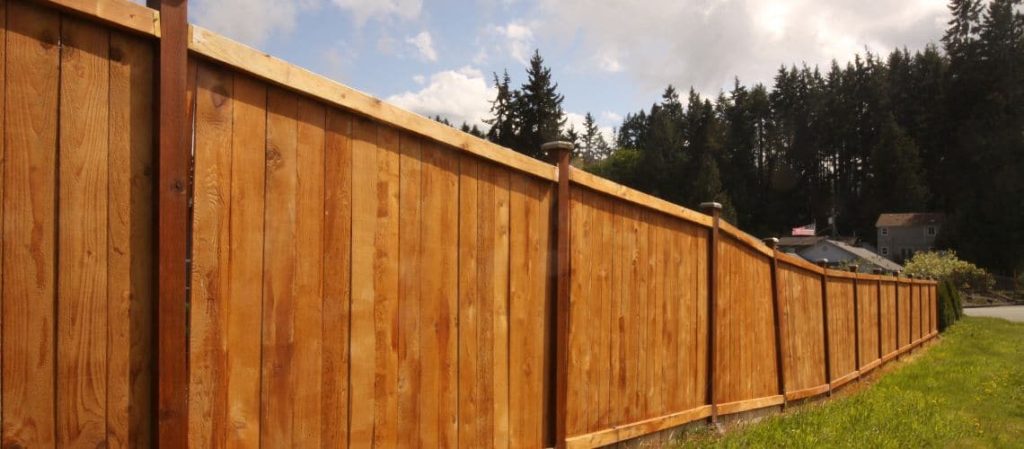
Replacing an aging fence can provide several advantages that extend beyond structural improvements.
1. Improved Structural Stability
A newly installed fence provides stronger posts, durable materials, and modern installation techniques that improve stability and longevity.
2. Enhanced Privacy and Security
New fence designs can provide better enclosure for children and pets while increasing privacy from neighboring properties.
3. Lower Long-Term Maintenance
Older fences often need repeated repairs, repainting, and general upkeep as materials begin to wear down. Newer options, such as vinyl and treated wood, are typically lower maintenance, and vinyl in particular holds up well against moisture because it does not rot, warp, expand, or contract the way some other materials can.
4. Better Curb Appeal
A well-designed fence can significantly improve the overall appearance of a property. It can frame landscaping, complement the architecture of the home, and create a more polished exterior.
For many homeowners, upgrading the fence is one of the most noticeable improvements they can make to their property.
Frequently Asked Questions
How can you tell if a fence may no longer be safe?
Common warning signs include leaning sections, loose posts, visible deterioration, or panels that no longer feel secure. If the fence seems unstable or no longer functions as it should, it may need closer evaluation.
Is it usually better to repair or replace a fence?
That depends on the extent of the damage, the age of the fence, and how much repair work is needed. Smaller issues are often repairable, while more widespread problems may make replacement the better long-term choice.
Can a leaning fence be fixed?
In some cases, yes. If the issue is limited to a small area, a repair may be enough, but larger alignment problems can point to deeper structural wear.
How long does a residential fence usually last?
Fence lifespan varies based on material, installation quality, weather exposure, and maintenance. Some fences last well over a decade, while others may need major work sooner, depending on conditions.
Does replacing a fence help a property?
A new fence can improve the appearance, function, and overall usability of the yard. The impact will vary, but an updated fence often makes the property feel more finished and well-maintained.
Time for a Fence Upgrade!
When a fence has widespread damage, failing posts, or recurring repair issues, replacement is often the more practical long-term solution. Addressing the problem early can help improve safety, restore function, and prevent ongoing maintenance costs from adding up.
Not sure if your fence needs repair or full replacement? Connecticut Fence & Gate offers professional inspections to help you make the right decision. Contact our team today to schedule your estimate.