
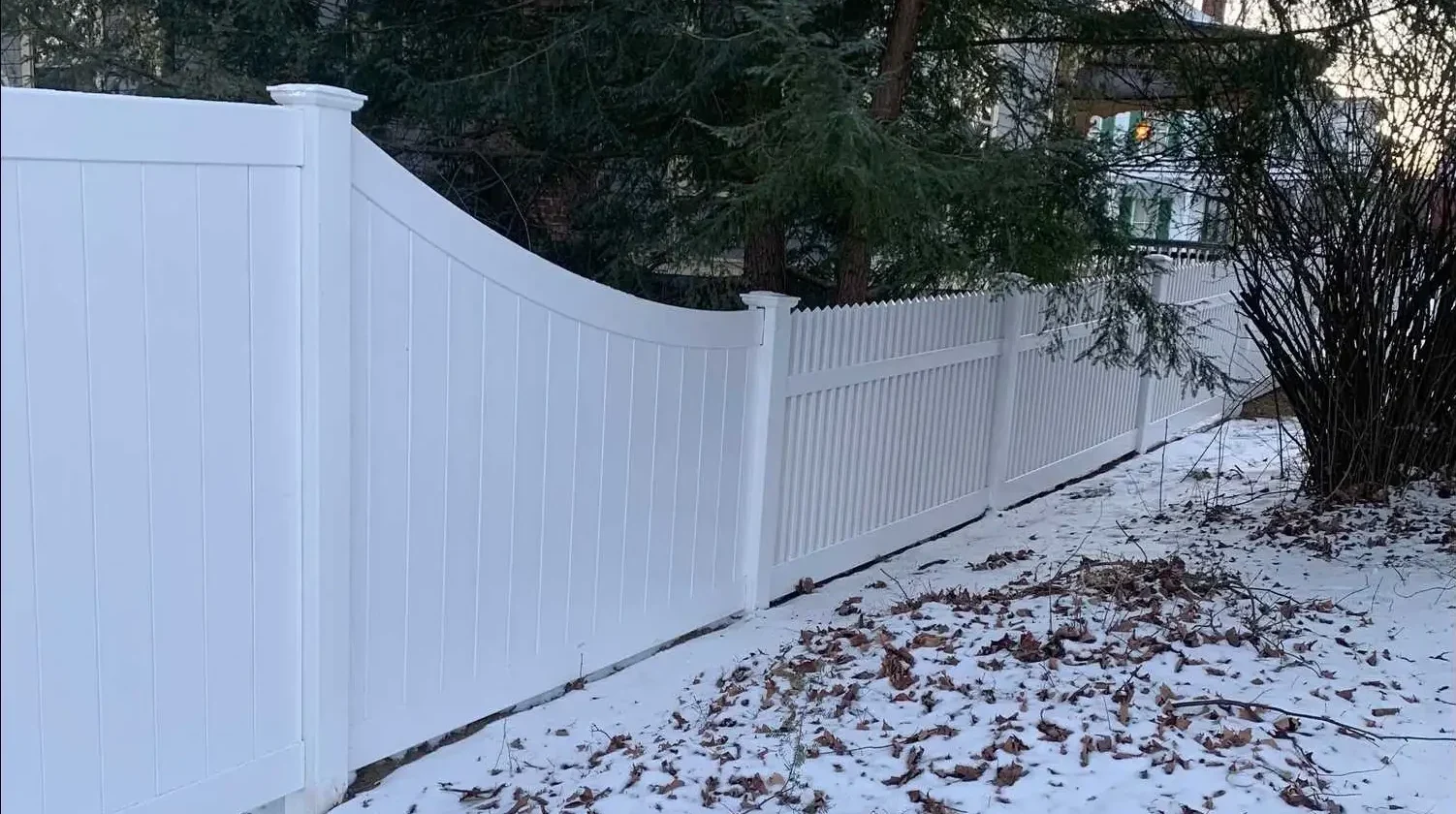
To dog-proof a fence, you need to block the three main escape routes: digging under, squeezing through, and climbing or jumping over. The most reliable fixes are a buried wire-mesh barrier at the bottom, gap-blocking with welded wire or lattice, and anti-climb solutions like fence rollers or extensions at the top.
This matters more than it used to. Pet ownership is now mainstream: 71% of U.S. households (about 94 million families) own a pet.
What You'll Learn
At a Glance
- Block digging, gaps, and climbing or jumping to build a dog-proof fence.
- Identify the escape route first, then reinforce only the weak spots.
- Stop digging with buried welded wire mesh or an L-shaped apron at the base.
- Close picket and gate gaps with welded wire or lattice, and secure corners.
- Add rollers or extensions to stop scaling, plus visibility tape to reduce fence crashes.
What Is Dog-Proof Fencing?

Dog fencing is any fence setup (new or upgraded) designed to reduce the most common escape behaviors: digging, climbing, jumping, squeezing through gaps, and pushing past weak gates. A true dog-proof fence is not just taller. It is reinforced at the bottom, secured through the middle, and difficult to grip at the top.
A dog-proof fence typically includes:
- A dig barrier at the base (buried mesh, an apron, edging, or a hard curb).
- Gap coverage so dogs cannot squeeze through or widen openings.
- Top deterrence to prevent climbing or pull-overs (rollers or extensions).
- Safe edges and visibility so dogs do not get cut or collide at speed.
Before You Start: Assess Your Dog and Your Fence
Start with two quick profiles. This keeps you from overbuilding in one area and missing the real failure point.
Dog Behavior Profile
- Digger: Fresh soil near fence lines, especially corners and shaded spots.
- Climber: Uses rails, chain-link diamonds, lattice, or nearby items as footholds.
- Jumper: Clears the top cleanly, often from a “launch point” like a deck step.
- Squeezer: Targets loose pickets, wide gaps, or gate openings.
- Fence-runner/reactive: Repeated impact points along the perimeter.
Fence Profile
- Fence type: Wood, vinyl, chain-link, aluminum/iron, split rail.
- Height and grade: Low spots on slopes create easy exit points.
- Condition: Loose posts, warped panels, rusted ties, rotting rails.
- Gate integrity: Most escapes happen at gates, not long runs of fence.
5-Minute Perimeter Checklist
- Measure the gap under gates and along low grade lines.
- Mark dig holes, scratch marks, and bent wire.
- Tug-test panels and mesh for flexing.
- Look for ladders: horizontal rails, stacked bins, planters near the fence.
How to Dog-Proof a Fence: Step-by-Step Guide
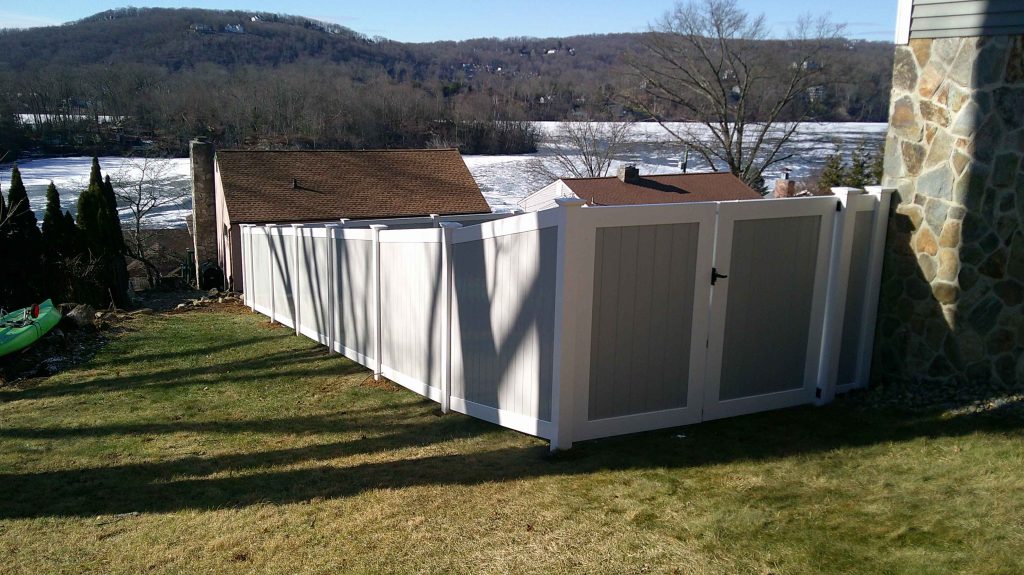
Step 1: Locate the Escape Route
Start by figuring out exactly how your dog is getting out. A dog-proof fence fix only works if it matches the escape behavior.
- Walk the full perimeter slowly: Look for fresh soil, paw marks, scuffed boards, bent wire, or fur snagged on edges.
- Check high-risk zones first: Corners, gate areas, slope low spots, and anywhere your dog can see street activity.
- Do a quick tug test: Pull on loose pickets, mesh, and chain-link sections to find flexing or weak fasteners.
- Gate test: Open and close the gate a few times. Check for latch slippage, hinge sag, and gaps that widen when the gate swings.
- Mark the problem areas: Use tape, chalk, or small flags so you can reinforce the right spots in order.
Step 2: Fix Digging Under the Fence
Digging is one of the most common fence failures. The strongest dog-proof fencing starts at ground level.
Option A: Buried Welded Wire Mesh
- When to use: Persistent diggers, soft soil, or multiple digging spots.
- How: Attach galvanized welded wire to the bottom of the fence, then bury it:
- Vertical trench method: Bury mesh 12 to 18 inches straight down.
- L-shaped apron method: Run mesh inward on your yard side 12 to 24 inches, then cover with soil or gravel.
- Why it works: Dogs dig at the base. They hit the barrier and typically stop.
Option B: Landscape Edging Or Pavers
- When to use: Light to moderate diggers, or when you want a fast fix near gates and corners.
- How: Install sturdy edging along the fence base, or lay a paver strip tightly against the fence line.
- Why it works: Hard edges reduce the “easy start” that encourages digging.
Option C: Concrete Curb
- When to use: Dogs that keep reopening the same tunnel, or yards where soil shifts create gaps.
- How: Add a narrow concrete footer along the inside base of the fence.
- Why it works: It removes diggable soil right where the dog targets.
Safety check: Fold, cap, or cover all cut wire edges. No sharp points should point inside when keeping dogs out of your yard.
Step 3: Block Gaps and Squeeze-Through Spots
Many owners focus on height and miss the easiest exit: gaps. This is a core part of how to dog-proof fence upgrades.
- Measure gaps: Check between pickets, under panels, and under gates. Small dogs can squeeze through surprisingly tight spaces.
- Add welded wire mesh to the inside: This is one of the most effective ways to tighten dog fencing without rebuilding.
- Use galvanized welded wire for strength.
- Secure it every few inches so dogs cannot push it loose.
- Use chicken wire for dogs only when appropriate: A chicken wire fence for dogs can work for small, low-drive dogs as a budget gap filler, but it bends more easily than welded wire.
- Reinforce corners: Corners often flex first. Add extra fasteners or a corner brace, then cover with mesh.
- Fix gate gaps properly:
- Install a gate sweep or threshold strip to close the bottom gap.
- Adjust hinges to eliminate sag.
- Ensure the latch closes flush and cannot be bumped open.
If your goal is a safer dog fence outdoor setup, treat gate areas like priority zones, not afterthoughts.
Step 4: Stop Climbing and “Fence Scaling”
If your dog climbs, height alone often fails. You need to remove grip and leverage.
Option A: Fence Rollers (Coyote Rollers or Oscillot-style)
- When to use: Dogs that hook paws over the top, climb chain-link, or pull themselves up using rails.
- How it works: A spinning top bar makes it hard to get traction, so dogs cannot complete the climb.
- Best fit: Chain-link and many wood or metal fences with a stable top edge.
Option B: Fence Extensions
- When to use: Dogs that almost clear the top, or fences that are too low for your dog's athletic ability.
- Practical choices:
- Inward-leaning extensions (reduces pull-over success)
- Vertical extensions using welded wire (adds height without full replacement)
- Avoid creating footholds: Install extensions in a way that does not form a ladder effect.
Keep it humane and safe. Avoid sharp materials and make sure any new hardware is firmly secured.
Step 5: Add Height the Right Way
Adding height can be simple if your fence is structurally sound. This is especially relevant for outdoor dog fences for large dogs.
- First confirm height is the issue: If your dog is digging or squeezing through, fix that before adding height.
- Remove launch points: Move stacked items, planters, or furniture away from the fence line.
- Add a welded wire top extension: Many homeowners add 1 to 2 feet of welded wire to existing wood or chain-link fences.
- Consider a lean-in design: A slight inward angle can reduce jump clearance without needing extreme height.
- Check local rules: In NY, fence height limits can vary by municipality and neighborhood requirements.
If you have an older fence that leans or wobbles, height additions can fail fast. In that case, it may be time to consult fencing contractors near you for reinforcement before upgrading.
Step 6: Make the Fence Visible
Some dogs sprint the perimeter or chase wildlife, and low-visibility barriers can cause collisions.
- Add high-visibility tape or markers: Attach bright tape or flagging along wire or mesh sections.
- Mark the top rail: A clear visual line helps dogs recognize the boundary at speed.
- Use reflective markers for low light: Helpful for dusk and early morning yard time.
- Avoid sharp edges: Visibility upgrades should not introduce snags, pokes, or exposed wire ends.
A visible, reinforced outdoor dog fence is safer and easier for dogs to learn as a boundary, especially in busy neighborhoods with frequent triggers.
What to Look for in a Fence Contractor Near You
If you've tried DIY fixes but still need a stronger dog-proof fence, the right pro can help you reinforce weak points without overcomplicating the project. Here's what to look for when comparing fencing contractors near me.
- Experience with dog-proof fencing upgrades: Ask if they've reinforced fences for digging, climbing, and gap-blocking.
- Strong bottom-edge solutions: Look for options like buried welded wire mesh, dig guards, or edging systems.
- Secure gate and latch work: Gates should be level, tight, and hard for dogs to push through.
- Durable materials and hardware: Galvanized fasteners, heavy-duty mesh, and weather-resistant components.
- Safety-focused installation: No sharp wire edges, exposed points, or loose sections that could injure pets.
- Transparent pricing and scope: You should get a written estimate with materials, labor, and exact upgrades listed.
Frequently Asked Questions (FAQs)
What is the cheapest way to make a dog-proof fence?
Start with low budget low cost dog fence plans: close gaps using chicken wire fence for dogs or welded wire mesh, then add stakes or edging at digging hotspots. Target gates and corners first for the biggest impact on a dog-proof fence.
What to put on a fence to keep a dog in?
Add welded wire mesh or dog-proof fencing panels on the inside to block gaps, and reinforce the bottom with a dig guard. For climbers, use a roller or extension so your dog fence outdoor setup is harder to scale.
How to make the bottom of a fence dog-proof?
The most reliable method is buried welded wire mesh 12 to 18 inches down, or an L-shaped apron extending into the yard. Pavers or landscape edging can help, too, especially near gates, for a stronger outdoor dog fence.
Where does the dog-proof fence go?
A dog-proof fence goes around the full area you want secured, including gates and side-yard lines. Reinforcements usually go on the yard side, with extra focus on low spots, corners, and gate openings.
What can I put on top of my fence to keep dogs from jumping?
Install fence rollers (Coyote Roller or Oscillot-style) or add a welded wire extension to increase height. These upgrades help prevent jumping and climbing on outdoor dog fences for large dogs and other athletic dogs.
Reinforce Your Fence With Connecticut Fence & Gate
If you follow the steps above, you'll end up with a safer, more reliable outdoor dog fence that matches how your dog actually escapes.
If you've been searching for nearby fencing contractors in Litchfield County because you need help reinforcing an existing fence, Connecticut Fence & Gate can evaluate weak points and recommend practical dog-proof fencing upgrades like heavy-duty mesh, fence extensions, and humane anti-climb solutions.