
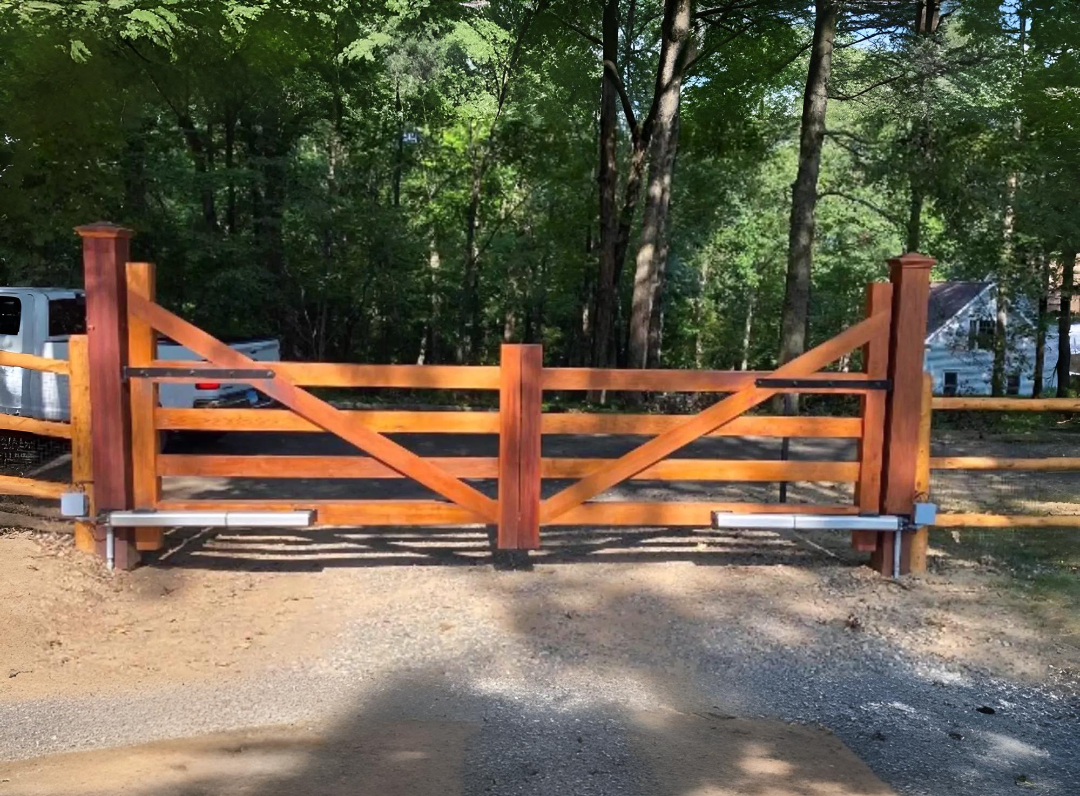
From rustic pallet fencing that works well for DIY projects, to chain-link fencing softened with plants for affordable privacy, there are plenty of ways to define a small yard without making it feel closed in. Bamboo rolls offer a natural look with easy installation, while split rail fencing uses minimal materials to create clear boundaries.
Table of Contents
Key Takeaways
✔ Small yards allow homeowners to use budget-friendly fence materials without sacrificing durability or appearance.
✔ Choosing simpler designs and standard panels significantly reduces fencing labor and installation costs.
✔ Strategic fence height and layout can make a small yard feel larger while keeping costs under control.
✔ Low-maintenance materials like vinyl and chain link often save more money long-term than cheaper upfront options.
✔ Working with a local fence contractor helps avoid code issues and ensures cost-effective solutions for small spaces.
1. Opt for Cost-Effective Materials for Inexpensive Yard Fences
Choosing the right fencing material directly impacts upfront cost, maintenance, and lifespan. With most fence installations ranging from $1,500 to $4,000, material selection plays a major role in determining whether a project stays within budget—or exceeds it.
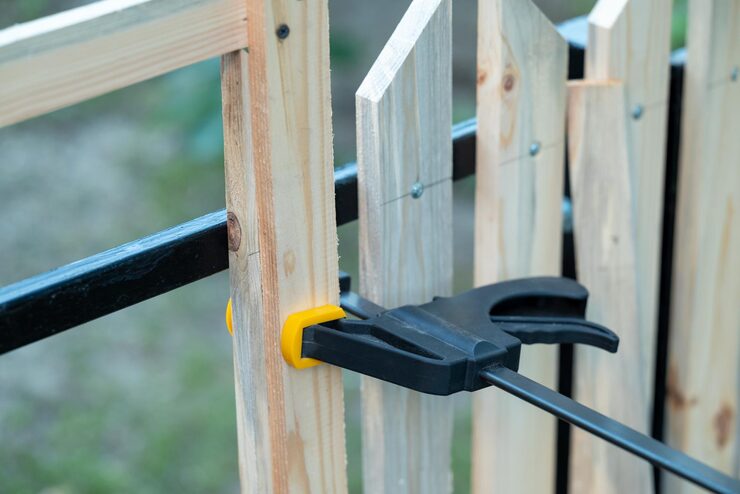
Contractor-Recommended Budget-Friendly Materials
Vinyl Fencing (Solid or Semi-Privacy Panels)
Best for homeowners who want a clean look with minimal upkeep. Ideal for small yards because shorter vinyl runs stay affordable while eliminating painting, staining, or rot-related repairs.
Chain Link Fencing With Enhancements
For homeowners asking how much does it cost to fence a small yard, choosing cost-effective materials is often the single biggest factor in keeping the project within budget. Contractors often recommend pairing chain link with:
- Privacy slats
- Climbing vines or hedges
- Black or vinyl-coated finishes for improved curb appeal
Composite Fence Panels (Entry-Level Lines)
A smart middle ground for homeowners who like the look of wood but want better resistance to moisture, insects, and warping—especially helpful in tight spaces where repairs are harder to access.
Reclaimed and Repurposed Wood Options
Locally Sourced Reclaimed Wood Panels
Often used for side yards or garden enclosures where visual character matters more than uniformity.
Rustic or Mixed-Board Designs
Reduce waste and material costs while supporting creative fence ideas for small yards.
2. Choose a Shorter Fence Height to Reduce Fence Installation Costs
Since labor typically accounts for about 50% of a fence installation's total cost, reducing fence height can significantly lower overall project expenses by cutting both material use and installation time. In small yards, contractors often recommend prioritizing proportion over maximum coverage.
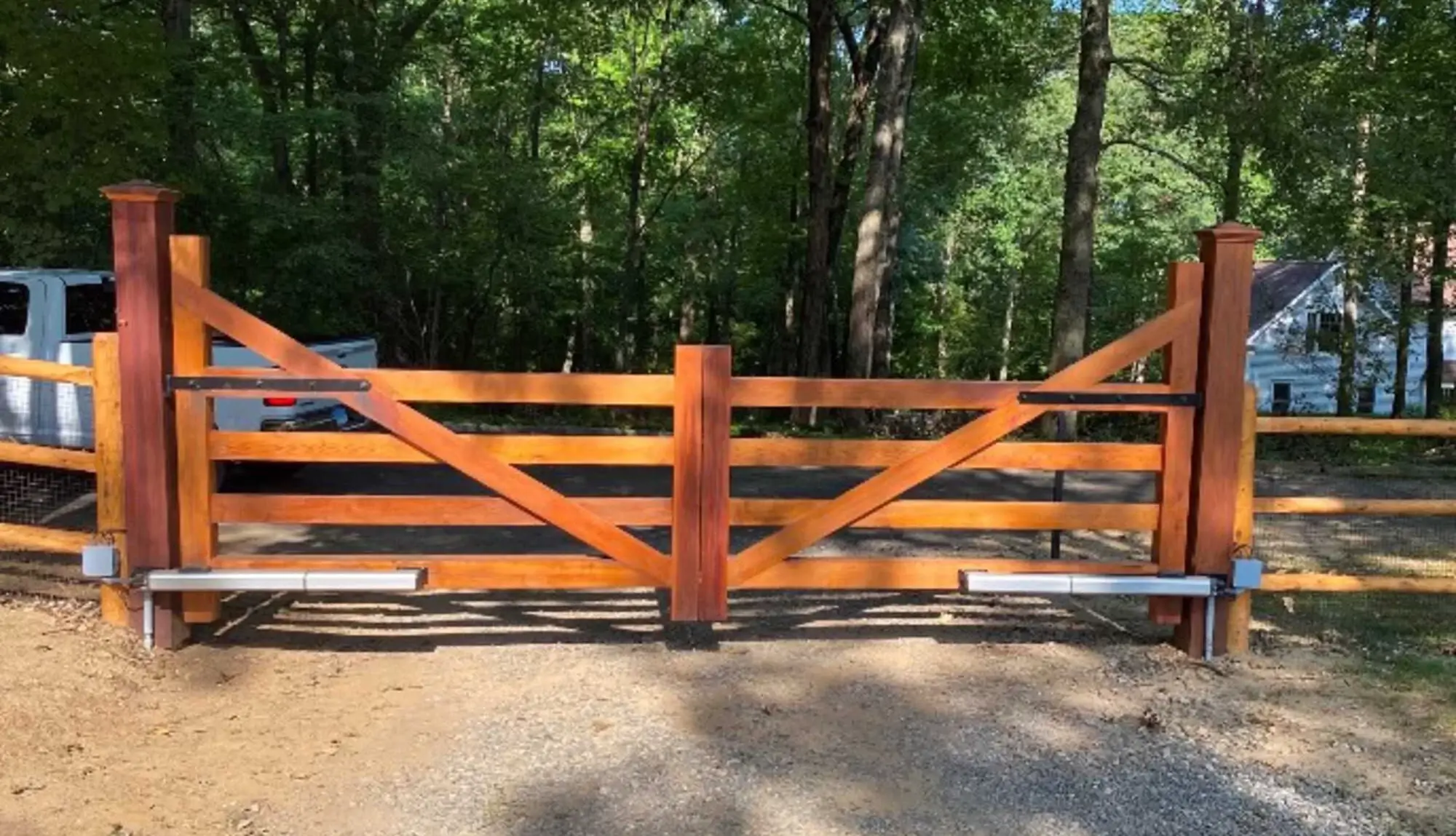
Why Shorter Fences Work Well in Small Yards
Lower Material Usage
Fewer boards, posts, and fasteners immediately reduce costs.
Faster Installation
Shorter fences are quicker to set and level, which helps control labor costs when comparing fence installation near me.
More Natural Light
Keeps small yards from feeling closed off or shaded.
Smart Privacy Without Extra Height
Targeted Landscaping
Arborvitae, boxwood, ornamental grasses, or climbing plants provide privacy without adding fence height.
Layered Solutions
A 3–4 foot fence combined with greenery often delivers the same privacy as a taller fence—at a lower cost.
3. Consider Decorative Alternatives Instead of Full Fencing
In many small yards, full perimeter fencing isn't necessary. Contractors frequently suggest decorative or partial solutions that define space without enclosing it entirely.
Popular Decorative Fence Alternatives
Lattice Panels (Wood or Vinyl)
Ideal for patios or property transitions where partial privacy is enough.
Garden Screens
Useful for separating seating areas or blocking sightlines without installing a full fence run.
Vertical Planters and Trellis Systems
Add greenery while serving as soft boundaries—especially effective in narrow yards.
Why Contractors Recommend Decorative Solutions
Reduced Installation Scope
Less digging, fewer posts, and lower labor costs.
Design Flexibility
Easily customized for evolving needs or seasonal upgrades.
Incremental Installation
Homeowners can add sections over time as budget allows.
4. Streamline Your Fence Design for a Budget-Friendly Look
When it comes to fencing, complexity almost always increases cost. In small yards, intricate designs can feel visually heavy while adding unnecessary material and labor expenses.
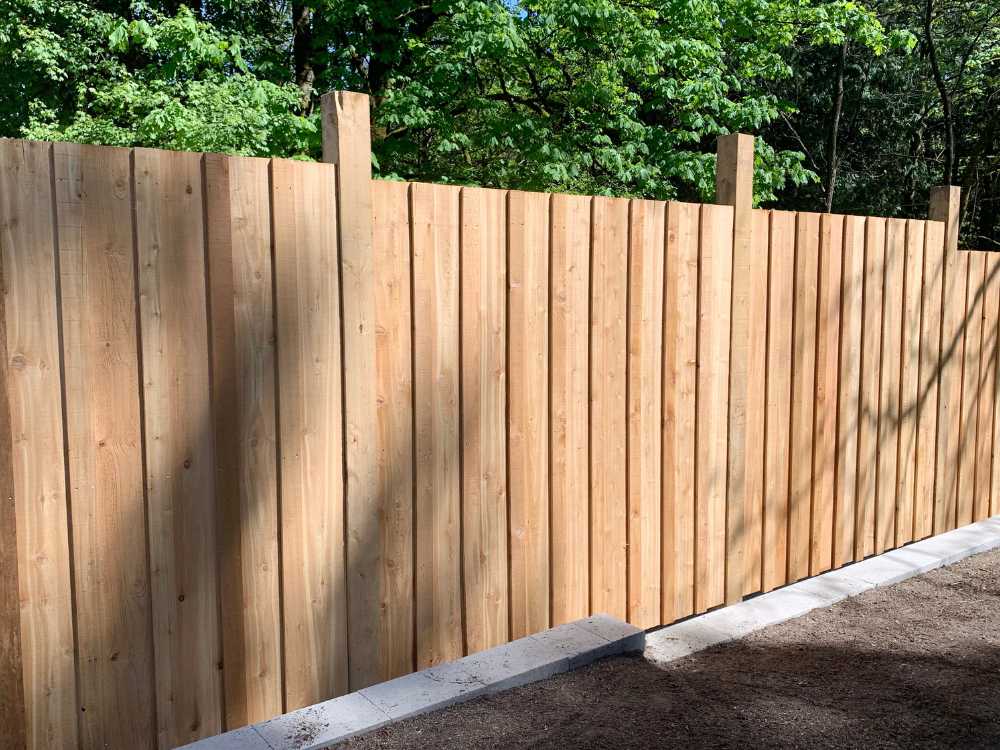
Design Choices That Save Money
Standard Panel Sizes
Pre-sized panels install faster, reduce cutting and waste, and minimize installation errors.
Straight Runs and Clean Lines
Linear fence layouts are quicker to measure, set, and level, which translates to faster installation and lower labor charges.
Minimal Decorative Elements
Skipping extras like ornate post caps, scalloped tops, or custom trim significantly lowers material costs while keeping the design timeless and clean.
Long-Term Value of Simple Designs
Easier Repairs
Standardized components are widely available and simpler to replace if damage occurs, reducing long-term repair costs.
Lower Maintenance Needs
Fewer joints, edges, and decorative details mean fewer areas prone to wear, rot, or loosening over time.
5. Use Strategic Layouts to Maximize Space in Small Yards
Fence placement can dramatically influence how large or small a yard feels. Strategic layouts allow contractors to enhance both flow and function while keeping fencing costs in check.
Layout Techniques Contractors Use
Diagonal or Angled Fence Lines
Break up rigid edges and draw the eye across the yard, making the space appear wider or longer.
Staggered Panels
Add subtle visual interest and dimension without increasing material usage.
Corner or Offset Gates
Improve access and circulation while eliminating awkward or unused areas.
Zoned Fencing
Defines areas for seating, play, or gardening without enclosing the entire yard—reducing material and installation scope.
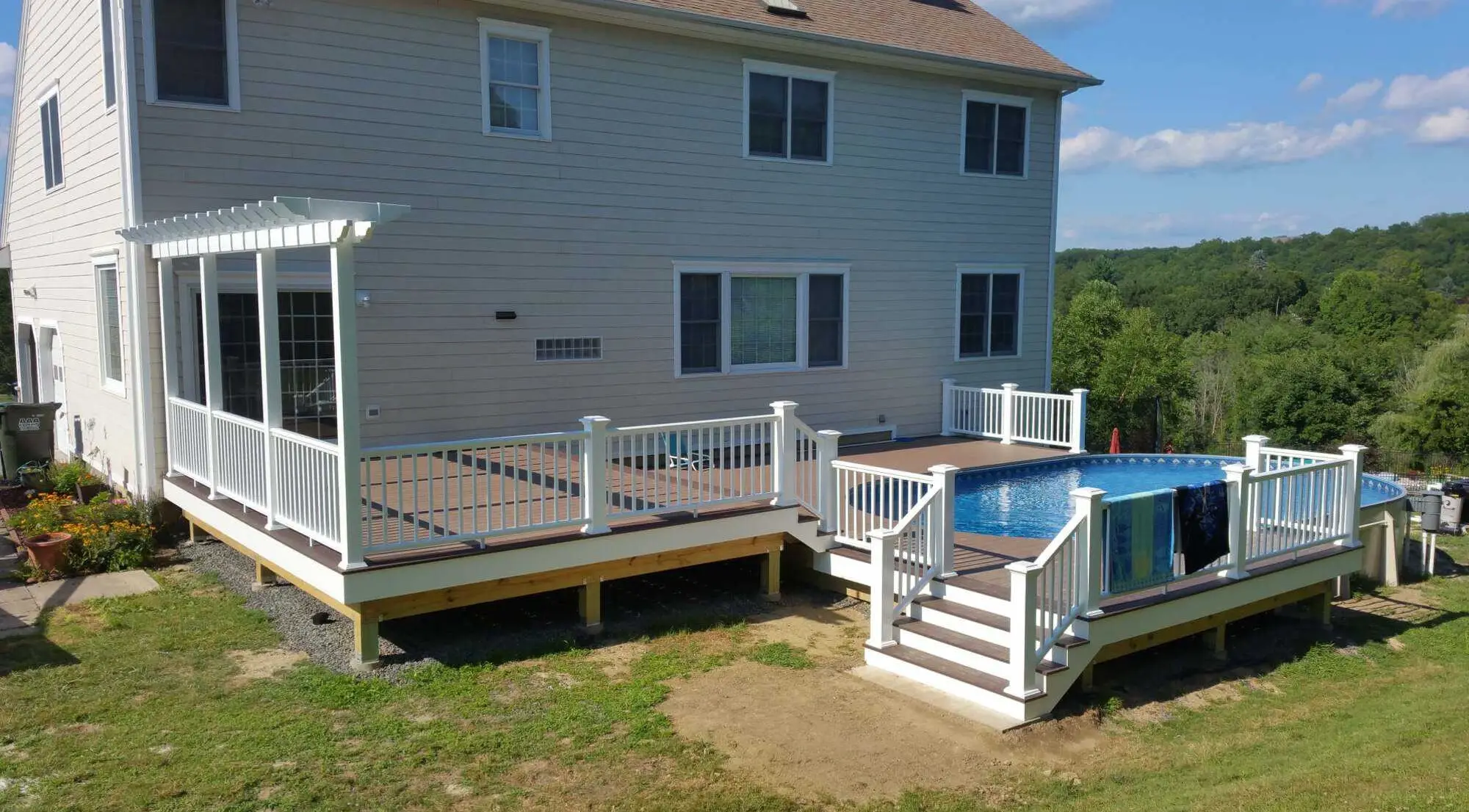
Special Considerations for Pool Areas
Code-Compliant Fence Layouts
Essential for safety and inspections when homeowners search for pool fencing near me. Proper spacing, gate placement, and height must meet local regulations.
Open Sightlines
Picket or mesh-style fencing helps maintain visibility into the pool area while still meeting safety and security requirements.
What Is the Most Budget-Friendly Fence for Small Yards?
When evaluating how much does it cost to fence a small yard, contractors typically start by looking at total footage and material type, since smaller yards allow for more flexibility without escalating costs.
For small properties, this usually means prioritizing inexpensive yard fences that perform well without unnecessary upgrades.
Most Cost-Effective Fence Options for Small Yards
- Chain Link Fencing: Consistently one of the most affordable choices. Ideal for security and pet containment, and easily enhanced with privacy slats or climbing plants to soften the look.
- Vinyl Fencing (Entry-Level Lines): Slightly higher upfront cost than chain link, but often more economical long-term due to zero painting, staining, or rot-related repairs.
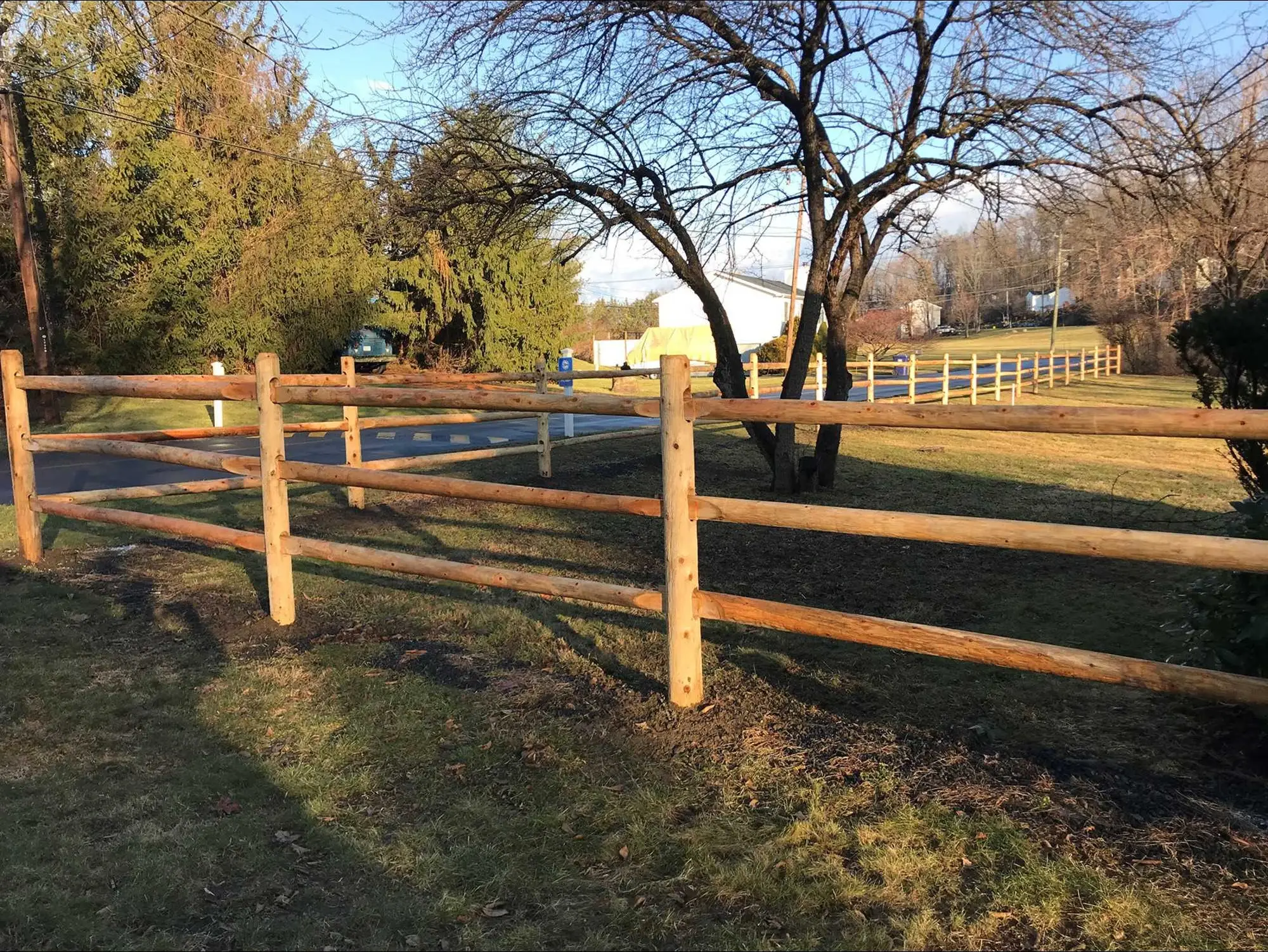
- Split Rail Fencing: Uses fewer materials, making it a smart option for boundary definition in compact yards where full privacy isn't required.
- Pallet Fencing or Bamboo Rolls: Cost-effective for garden areas or side yards when installed correctly and used in low-impact applications.
What Is the Cheapest Way of Fencing on a Budget?
The cheapest fencing solutions typically focus on reducing scope, not just selecting the lowest-priced material. Strategic design decisions can significantly lower overall project costs.
Contractor-Approved Ways to Reduce Fence Costs
- Partial Fencing: Install fencing only where it's needed most, such as along busy roads or neighboring properties.
- Chain Link With Greenery: Combine chain link fencing with climbing vines or hedges instead of installing solid privacy panels.
- Decorative Barriers: Use trellises, lattice panels, or garden screens in areas that don't require full enclosure.
DIY vs. Professional Installation
- DIY Options: Pallet fencing or modular systems can reduce labor costs but require careful planning for safety and longevity.
- Professional Installation: Many homeowners searching fence installation near me find that a simple, professionally installed fence often costs less over time due to proper placement and fewer repairs.
What Is the Lowest Maintenance Fence for Homeowners?
Upfront cost is only part of the equation. For many homeowners, especially in New England, maintenance plays a major role in long-term affordability.
Lowest Maintenance Fence Options
- Vinyl Fencing: Resistant to moisture, insects, and temperature changes; never needs painting or staining.
- Composite Fencing: Offers wood-like appearance with added durability and minimal upkeep.
- Chain Link Fencing: Requires little more than occasional cleaning and inspection.
Is It Cheaper to Use Fence Panels or Pickets?
In most residential fencing projects, fence panels are more cost-effective than installing individual pickets, especially for small yards where efficiency and budget control matter most. The difference largely comes down to labor time and installation complexity.
Fence Panels vs. Individual Pickets: Cost Comparison
Fence Panels
- Faster Installation: Pre-built sections are installed in larger segments, reducing labor hours.
- Lower Labor Costs: Less time on-site means lower overall installation charges.
- Predictable Pricing: Standard panel sizes make estimates more accurate and easier to budget.
- Consistent Appearance: Panels provide uniform spacing and alignment, which works well in compact yards.
Individual Pickets
- Greater Design Flexibility: Allows for custom spacing, heights, and decorative patterns.
- Higher Labor Requirements: Each picket must be individually measured, spaced, and fastened.
- Increased Handling Costs: More materials and longer installation timelines raise total cost.
Frequently Asked Questions (FAQs)
Should I hire a fence contractor near me or attempt a DIY fence for a small yard?
For small yards, hiring a fence contractor near me often prevents costly mistakes related to property lines, grading, and local codes. While DIY can save on labor, professional installation typically delivers better long-term value and fewer repairs.
How do local building codes affect fence ideas for small yards?
Local zoning and setback rules can limit fence height, placement, and materials—especially near sidewalks or neighboring properties. A professional handling fence installation near me ensures your design meets Litchfield County requirements.
Can inexpensive yard fences still add value to my property?
Yes. Well-installed inexpensive yard fences improve usability, safety, and curb appeal. Even budget-friendly materials can enhance property value when the fence is properly designed and maintained.
Does fencing a small yard cost less than fencing a large yard?
Generally, yes. Smaller yards require fewer materials and less labor, which directly lowers costs. This makes it easier to choose a budget-friendly fence without compromising durability or appearance.
What should I consider before installing pool fencing near me?
Before installing pool fencing near me, confirm local safety codes, gate requirements, and height regulations. Working with an experienced contractor ensures compliance while keeping the project efficient and cost-effective.
Choose the Best Fence Contractor Near You for Smart, Affordable Solutions
A small yard doesn't require small thinking. With the right materials, layout, and design strategy, you can create a fence that's functional, attractive, and affordable.
Connecticut Fence & Gate serves homeowners throughout Litchfield County with practical, well-built fencing solutions—including residential fencing and pool fencing near me requirements. Our experience with local conditions, property layouts, and building codes helps homeowners turn smart ideas into long-lasting results.
Reach out to Connecticut Fence & Gate today to explore budget-friendly fencing options.