
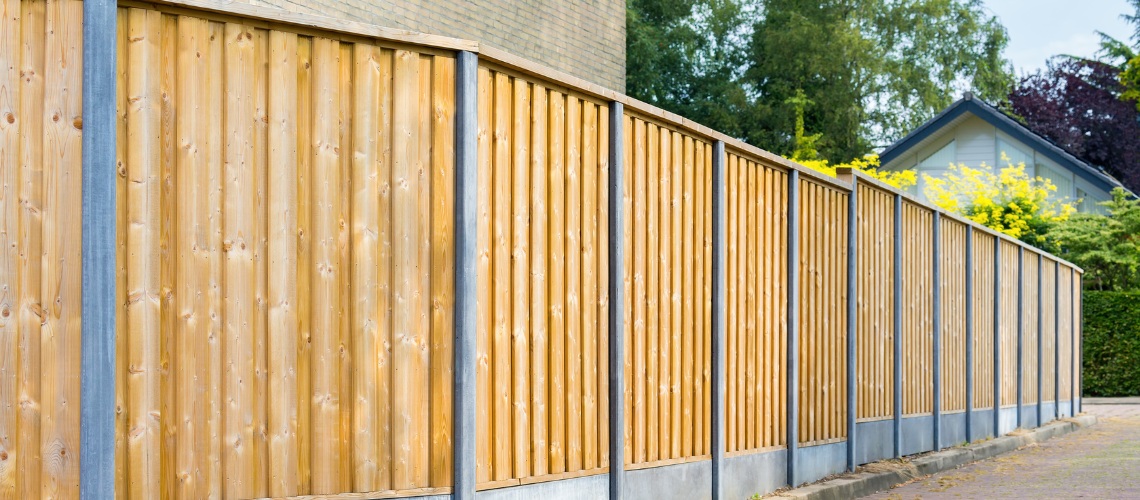
Fence pricing is not just about materials or total length. Height plays a direct role in how much you will spend. As fence height increases, costs rise due to more materials, deeper structural requirements, and higher labor demands.
For homeowners planning a backyard upgrade, understanding this relationship early helps avoid underestimating the project.
If you are asking how much is a privacy fence, the better question is: how tall does it need to be to solve your privacy problem without overbuilding your budget?
What's In This Guide
- How Much Is a Privacy Fence?
- How Much Does a 6-Foot Privacy Fence Cost Per Foot?
- 4-Foot vs. 6-Foot vs. 8-Foot Privacy Fence Cost
- Why Taller Fences Cost More
- Other Cost Factors That Increase With Fence Height
- How Fence Materials Impact Cost at Different Heights
- Litchfield County Fence Permits and Requirements
- Is a Taller Privacy Fence Worth the Added Cost?
- How To Estimate Privacy Fence Installation Cost by Height
- Frequently Asked Questions (FAQs)
- Need Help Choosing the Right Privacy Fence Height?
Quick Facts
- Fence height strongly affects project cost.
- A 6-foot privacy fence costs about $25 to $50 per linear foot installed.
- Taller fences need more materials, stronger posts, and more labor.
- 8-foot fences may need permits or zoning approval.
- The best height balances privacy, budget, materials, and local rules.
How Much Is a Privacy Fence?
The typical privacy fence installation cost averages about $25 to $50 per linear foot installed. This range gives homeowners a practical starting point when budgeting, especially for standard 6-foot designs.
Material choice plays a major role. Wood is often more economical upfront, while vinyl and composite can cost more but require less maintenance over time.
Height adds another layer to the cost. A taller fence requires more material, deeper post installation, and higher labor costs to install privacy fence panels, which raises the total investment.
How Much Does a 6-Foot Privacy Fence Cost Per Foot?
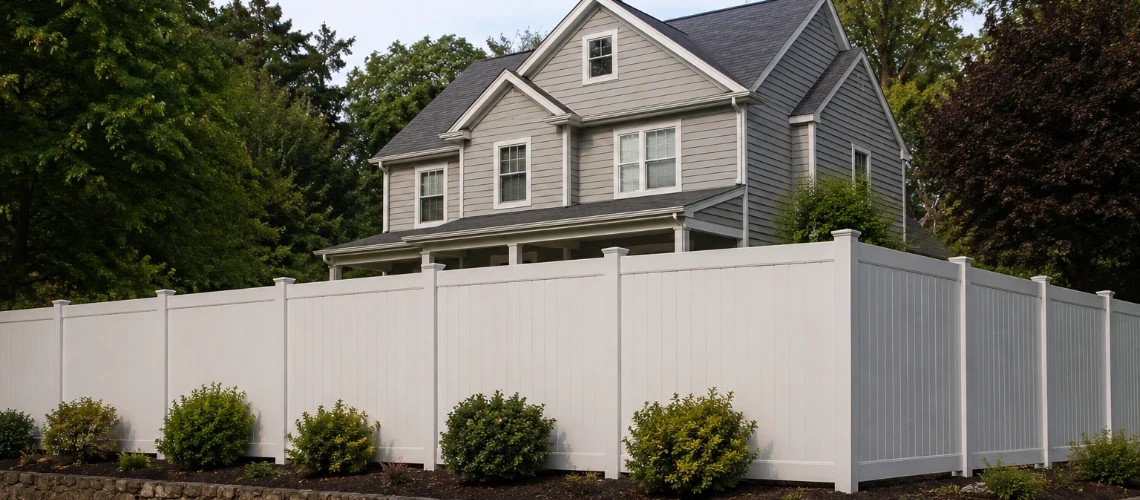
For most homeowners, the standard benchmark is a 6-foot fence. It offers a practical level of privacy without pushing into more complex structural or zoning considerations.
On average, you can expect to pay $25 to $50 per linear foot installed. This range typically includes both materials and the labor cost to install privacy fence sections under standard conditions.
That means for a typical project:
- 100 linear feet: $2,500 to $5,000
- 150 linear feet: $3,750 to $7,500
- 200 linear feet: $5,000 to $10,000
4-Foot vs. 6-Foot vs. 8-Foot Privacy Fence Cost
For homeowners comparing options, understanding how each height functions in real-world use helps clarify the total privacy fence installation cost.
4-Foot Fence
A 4-foot fence is best for marking boundaries rather than creating privacy. It is commonly used in front yards or decorative layouts.
Pros
- Lower material and installation cost
- Faster and simpler installation
- Fewer structural requirements
Cons
- Limited privacy
- Does not block sightlines effectively
- Less suitable for backyard screening
6-Foot Fence
A 6-foot fence is the most common residential privacy option. It provides a practical balance between cost and coverage.
Pros
- Standard height for backyard privacy
- Moderate privacy fence installation cost
- Widely accepted in residential zoning
Cons
- More expensive than 4-foot options
- May still allow visibility from elevated areas
- Higher labor cost to install than shorter fences
8-Foot Fence
An 8-foot fence is designed for maximum privacy and enclosure. It is often used where additional screening is needed.
Pros
- Maximum privacy and visual blocking
- Ideal for properties with close neighbors or elevation differences
- Stronger sense of enclosure
Cons
- Highest material and installation cost
- Increased labor cost due to complexity
- May require permits or zoning approval
Why Taller Fences Cost More
Fence height does more than change appearance. It directly increases the amount of work, materials, and structural support required for the project.
More Material Per Linear Foot
Every additional foot of height increases the amount of material required. A taller fence needs more boards, pickets, or panels, as well as longer rails and posts. This applies across wood, vinyl, and composite fencing.
Stronger Posts and Deeper Installation
Taller fences must withstand greater wind loads and structural stress. Posts are typically longer and set deeper in concrete. In colder climates, deeper installation also helps prevent frost movement. Properly set posts can reduce shifting and improve long-term stability.
Higher Labor Cost to Install Privacy Fence
The labor cost to install a privacy fence increases with height because the work becomes more demanding. Taller panels are heavier and harder to position. Installers must spend more time ensuring proper alignment, leveling, and reinforcement. This added complexity directly impacts overall pricing.
Other Cost Factors That Increase With Fence Height
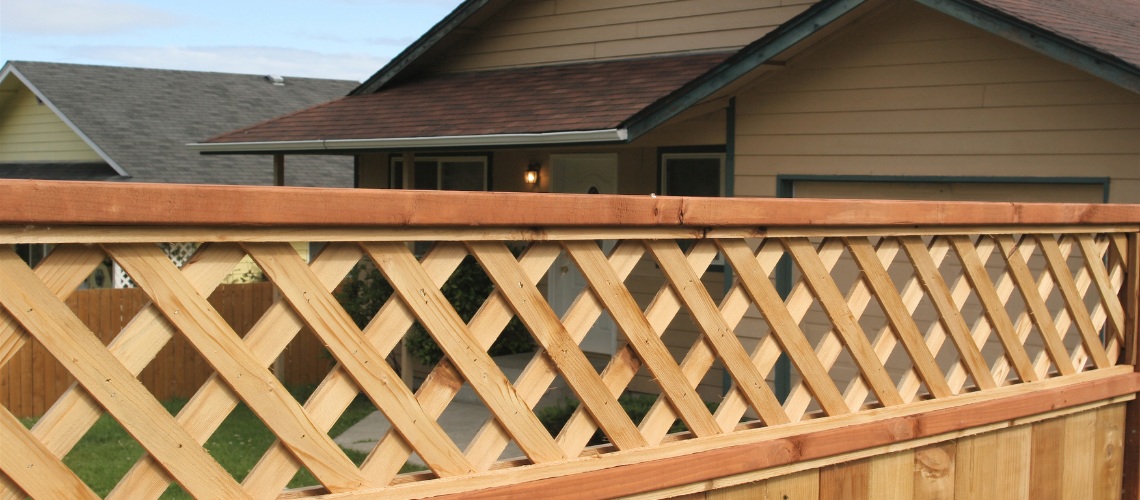
As fence height increases, several secondary factors can raise the overall project cost. These are often overlooked during early budgeting but can make a noticeable difference in the final price.
Gates
Taller fences require taller gates, which are heavier and need stronger frames, hinges, and support posts. This adds both material and installation costs.
Terrain
Uneven or sloped ground becomes more challenging with taller fences. Installers must spend more time adjusting panels and ensuring proper alignment and stability.
Removal of Existing Fence
Removing an old fence adds labor and disposal costs. Deeper-set posts, especially those secured in concrete, take more effort to remove.
Permits and Inspections
Fences above certain height limits may require permits, inspections, or property line verification. This can add fees and extend the project timeline.
Wind Exposure
Taller fences face more wind pressure. In open areas, this may require stronger posts, deeper footings, or additional reinforcement to ensure long-term durability.
How Fence Materials Impact Cost at Different Heights
Fence material affects how quickly costs rise as the fence gets taller. A material that works well for a 4-foot boundary fence may need stronger posts, reinforced panels, or added labor when used for a 6- or 8-foot privacy fence.
Wood Privacy Fences
Wood is often the most affordable choice upfront, but taller wood fences need more maintenance and stronger support to handle moisture, wind, and natural movement over time.
- Usually the most budget-friendly option upfront
- Costs rise steadily as height increases
- Taller wood fences need more boards, rails, and stronger posts
Vinyl Privacy Fences
Vinyl is popular for its clean appearance and low maintenance, but taller vinyl fences can cost more because they often require reinforced posts or special-order panels.
- Higher upfront cost than wood
- 6-foot vinyl panels are common and widely available
- 8-foot vinyl fences may require added reinforcement
Composite Privacy Fences
Composite offers durability and reduced upkeep, but its heavier weight can increase installation complexity as fence height increases.
- One of the higher-cost options upfront
- Costs increase more at taller heights because composite is heavier
- May require stronger framing for tall installations
Litchfield County Fence Permits and Requirements
Fence permits and height rules in Litchfield County follow Connecticut's town-by-town zoning system, so requirements vary depending on the municipality. In general, homeowners should expect the following:
- Most towns allow up to 6-foot fences in side and rear yards without a building permit, but zoning rules still apply.
- Fences over 6 to 7 feet may require permits or zoning approval, as they are often treated as structures.
- Front yard fences are typically limited to 3 to 4 feet for visibility and safety.
- Applications may require a site plan, height details, and property line verification.
- In towns like Litchfield, permits and inspections are handled through the local building department.
For official guidance, check your local town office or the Town of Litchfield Building Department before starting your project.
Is a Taller Privacy Fence Worth the Added Cost?
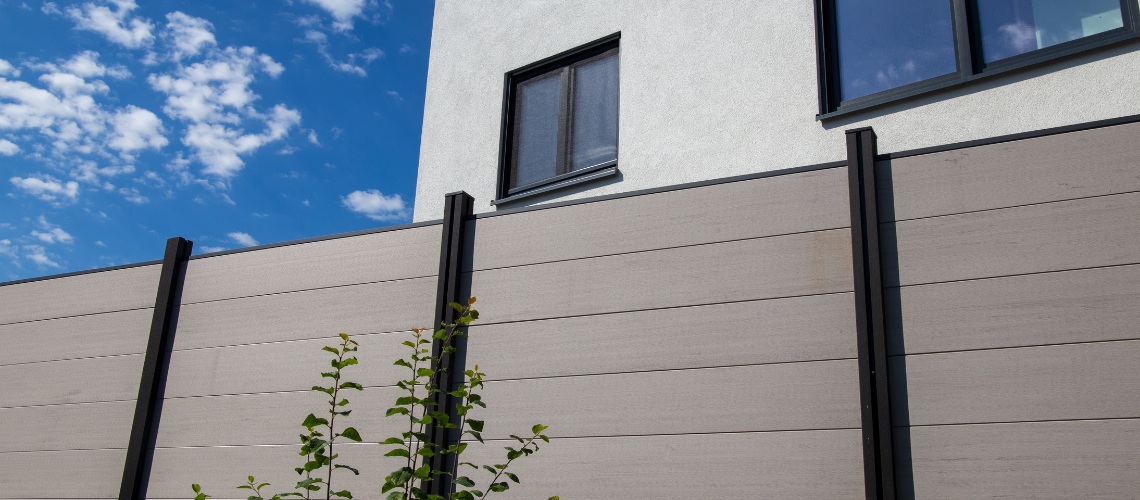
A taller fence can provide better privacy, especially in areas with close neighbors or elevated structures nearby. It can also improve security and reduce visibility from surrounding properties.
However, the added cost is not always necessary. Taller fences require more investment, may need permits, and can feel overwhelming in smaller yards. The decision should balance privacy needs, budget, and local regulations.
How To Estimate Privacy Fence Installation Cost by Height
A clear estimate starts with breaking the project into parts. Height should guide each step, since it affects materials, labor, and structural requirements at every stage.
1. Measure Total Linear Footage
Accurate measurements set the foundation for your entire cost estimate. Even small miscalculations can lead to noticeable budget gaps.
- Measure the entire perimeter in linear feet
- Include corners, transitions, and gate openings
- Double-check measurements to avoid underestimating costs
2. Choose the Fence Height
Fence height determines both the level of privacy and the overall price range. It also influences how much material and labor the project will require.
- Select 4, 6, or 8 feet based on privacy needs
- Use 6 feet as the standard baseline for comparison
- Expect higher costs as height increases
3. Select Your Material
Material choice affects not just cost, but also durability, maintenance, and appearance over time. Each option performs differently at various heights.
- Wood for lower upfront cost
- Vinyl for low maintenance
- Composite for durability at a higher price point
4. Estimate Cost Per Linear Foot
Using average price ranges helps create a realistic starting point before getting contractor quotes. This is where most homeowners begin budgeting.
- Apply $25 to $50 per linear foot for a 6-foot fence
- Adjust upward for taller fences
- Multiply by total linear footage for a rough estimate
5. Factor in Labor and Site Conditions
Labor costs can vary significantly depending on the property. Height increases the level of precision and effort required during installation.
- Slopes and uneven ground increase labor time
- Taller fences require deeper, more precise post setting
- Limited access can slow installation
6. Add Gates and Extras
Additional features can add both function and cost to the project. These elements often require extra materials and reinforcement.
- Include gates, hardware, and custom sections
- Taller fences require stronger gate support systems
Frequently Asked Questions (FAQs)
Does fence height affect property value?
A well-built privacy fence can support curb appeal, privacy, and usability, but height alone does not guarantee added value. The best choice is a fence height that fits the property, neighborhood, and local rules.
Can a privacy fence be too tall?
Yes. A fence that is too tall can feel oversized, block light, create neighbor concerns, or violate local zoning limits. Always check height rules before choosing an 8-foot fence.
Is a taller fence better for noise reduction?
A taller fence may help reduce some noise by blocking direct sound paths, but material density matters more than height alone. Solid wood, composite, or masonry-style barriers usually perform better than lightweight panels.
Should fence posts be taller than the fence panels?
Yes. Fence posts extend below ground for stability, so they must be longer than the visible fence height. Taller fences usually require longer posts and deeper footing depth.
Can I add height to an existing privacy fence?
Sometimes, but it depends on the existing posts, material, and local regulations. Adding height to weak or shallow posts can cause leaning, sagging, or structural failure.
Need Help Choosing the Right Privacy Fence Height?
If you are planning a privacy fence and want clear guidance on height, materials, and local requirements, working with a knowledgeable contractor can make the process smoother.
Connecticut Fence & Gate can help you evaluate your property, recommend the right fence height, and provide a detailed estimate tailored to your goals.
Contact us today.