Quick Facts
✔ Wood fencing has the lowest upfront cost but requires the most maintenance.
✔ Vinyl fencing offers low maintenance and strong moisture resistance at a mid-range cost.
✔ Composite fencing provides long-term durability with a wood-like appearance and minimal upkeep.
✔ In Connecticut's climate, moisture resistance and freeze-thaw durability matter.
✔ Long-term ownership cost often matters more than initial installation price.
What's In This Guide
A fence is not a short-term upgrade. It affects privacy, security, curb appeal, and property value for years.
For many Connecticut homeowners, the top priority is simple: low maintenance.
But “low maintenance” means different things depending on the material you choose. Wood, vinyl (PVC), and composite fencing are the three most common residential options. Each performs differently in New England's climate, where moisture, freeze-thaw cycles, UV exposure, and snow loads all affect long-term durability.
What Does “Low-Maintenance” Actually Mean in Fencing?
What Counts as Fence Maintenance?
Maintenance typically includes:
- Cleaning (removing dirt, mildew, or algae)
- Painting or staining
- Sealing or waterproofing
- Replacing warped or damaged boards
- Repairing posts or hardware
A truly low-maintenance fence minimizes or eliminates these tasks over time.
Why Maintenance Matters in Connecticut's Climate
Connecticut weather adds stress to fencing materials:
- Freeze-thaw cycles cause expansion and contraction, which can crack or warp materials.
- Moisture and humidity increase the risk of rot and fungal decay in wood. According to the U.S. Department of Agriculture, untreated wood exposed to moisture can decay rapidly when conditions favor fungal growth.
- UV radiation breaks down certain plastics and finishes over time, leading to fading or brittleness.
In short, a fence that performs well in a mild climate may behave differently in New England. Material choice directly impacts long-term upkeep and durability.
Wood Fencing: Classic Appearance with Ongoing Maintenance
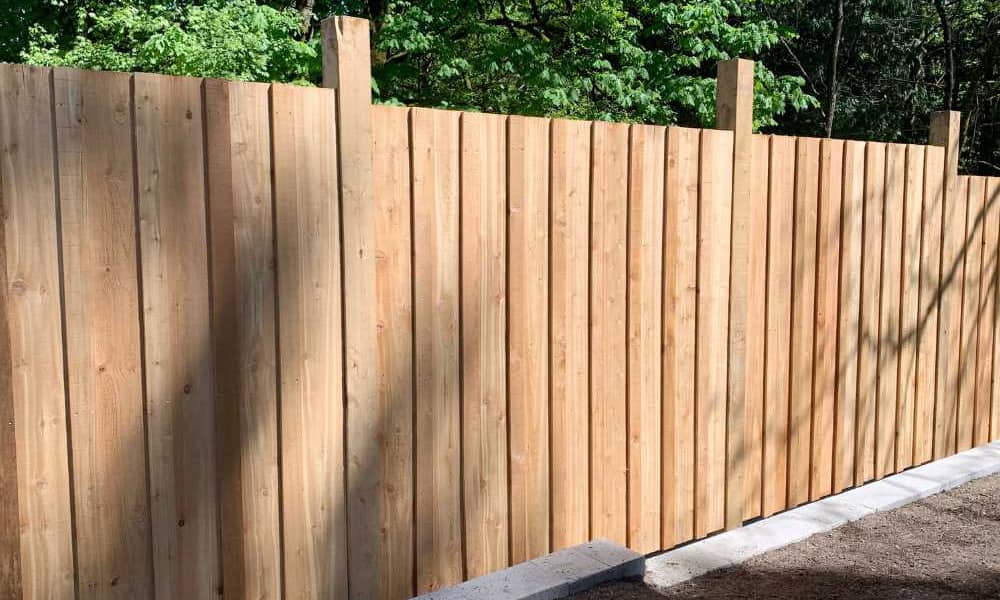
Wood fencing remains popular for its traditional look and design flexibility, but it requires the most ongoing maintenance.
What Is Wood Fencing?
Common residential wood fence materials include:
- Cedar
- Pine (often pressure-treated)
- Redwood (less common in the Northeast)
Pressure-treated lumber resists insects and decay better than untreated wood, but it still requires maintenance.
Advantages of Wood Fencing
- Natural, timeless appearance
- Highly customizable (paint, stain, height, style)
- Typically has a lower upfront material cost than composite
- Easy to repair individual boards
For homeowners prioritizing a classic New England aesthetic, wood remains attractive.
Maintenance Requirements
Wood requires the most upkeep of the three materials.
- Staining or sealing every 2–3 years
- Cleaning to prevent mildew buildup
- Replacement of warped or split boards over time
Without consistent maintenance, wood fencing can:
- Rot
- Warp
- Crack
- Attract termites or carpenter ants
Lifespan
With proper maintenance, wood fences typically last 10–20 years, depending on species and exposure. Poorly maintained wood may fail much sooner.
Best For
- Homeowners who value natural aesthetics
- Those comfortable with ongoing maintenance
- Properties where custom color or design flexibility is important
If you want minimal upkeep, wood may not meet that goal long term.
Vinyl Fencing: Minimal Upkeep, Modern Consistency
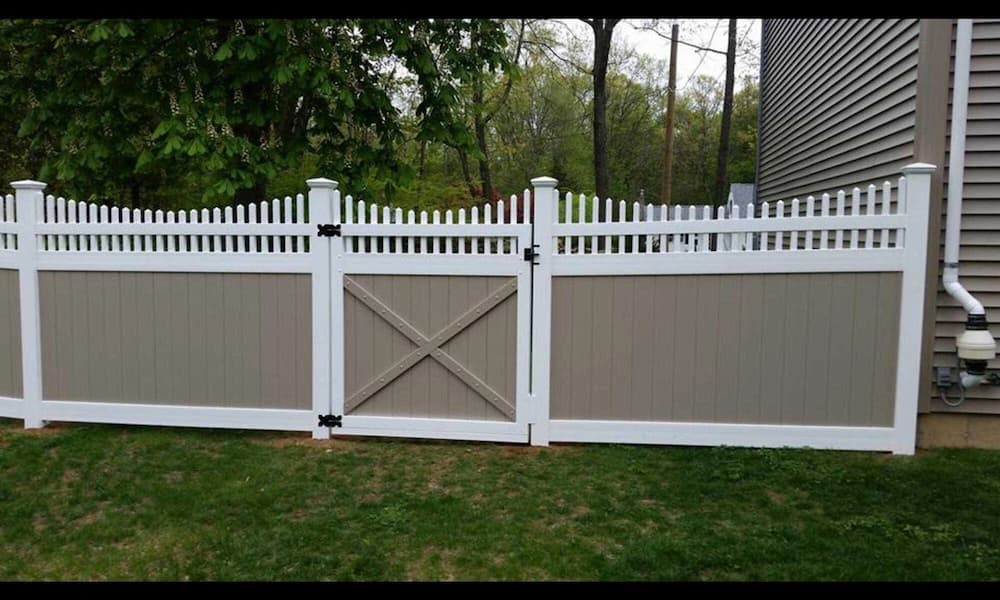
Vinyl fencing is often marketed as low maintenance, and compared to wood, that claim is generally accurate.
What Is Vinyl Fencing?
Vinyl fencing is made from polyvinyl chloride (PVC). High-quality systems often include reinforced posts or internal supports for structural stability.
Advantages of Vinyl Fencing
- No painting or staining required
- Resistant to rot and insects
- Easy cleaning with soap and water
- Consistent color throughout the material
Because vinyl does not absorb moisture, it avoids the rot issues common with wood.
Maintenance Requirements
Vinyl fencing requires minimal upkeep:
- Occasional washing to remove dirt or algae
- Periodic inspection for cracks or loose components
There is no need for sealing, staining, or repainting.
Lifespan
Industry estimates place vinyl fence lifespans at 20–30+ years, depending on thickness and UV stabilizers. Because vinyl does not decay, its longevity is largely influenced by quality and installation.
Potential Drawbacks
Vinyl is not without limitations:
- In extreme cold, lower-grade vinyl can become brittle.
- Color options are more limited than paintable wood.
- Upfront costs are typically higher than those of basic wood fencing.
Best For
- Homeowners seeking long-term durability without ongoing upkeep
- Families prioritizing privacy fencing
- Those who prefer a clean, uniform appearance
For many Connecticut homeowners, vinyl strikes a strong balance between durability and low maintenance.
Composite Fencing: Engineered Durability with a Wood-Like Look
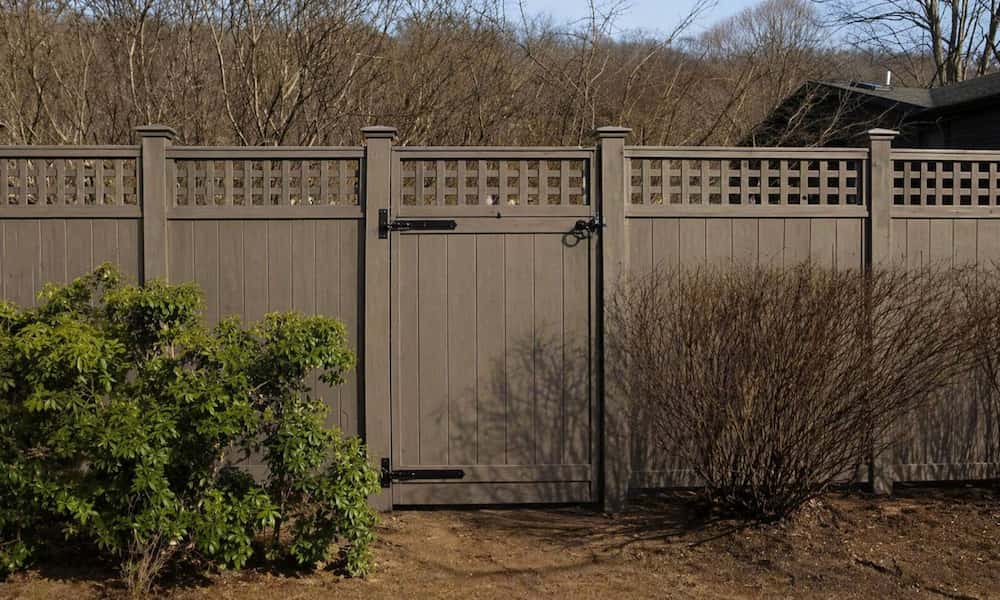
Composite fencing combines the look of wood with the durability of synthetic materials.
What Is Composite Fencing?
Composite fencing is typically made from:
- Recycled wood fibers
- Recycled plastics or polymers
The result is a dense, engineered product designed to resist rot, insects, and moisture.
Advantages of Composite Fencing
- No painting or staining required
- Strong resistance to rot and insects
- Greater dimensional stability than natural wood
- Often made with recycled materials
Because the wood fibers are encapsulated in plastic, they are not directly exposed to moisture in the same way traditional wood is.
Maintenance Requirements
Composite fencing requires:
- Occasional cleaning
- Basic inspection of hardware and posts
There is no sealing or staining necessary.
Lifespan
High-quality composite fencing often lasts 25–30+ years, depending on product specifications and installation quality. It resists warping and splintering better than untreated wood.
Potential Drawbacks
- The highest upfront cost among the three options
- Some initial color fading may occur, though many products include UV inhibitors
Best For
- Homeowners who want a wood-like appearance without maintenance
- Long-term property owners
- Those prioritizing durability in wet or freeze-thaw climates
Composite is often considered a premium low-maintenance fencing solution.
Side-by-Side Comparison: Composite vs Vinyl vs Wood
Here is a direct comparison to clarify the differences.
| Feature | Wood | Vinyl | Composite |
| Upfront Cost | Low | Mid | High |
| Lifespan | 10–20 yrs | 20–30+ yrs | 25–30+ yrs |
| Maintenance | High | Low | Low |
| Moisture Resistance | Moderate | High | Excellent |
How to Choose the Right Fence for Your Home
A structured approach helps narrow the decision.
Step 1: Define Your Primary Goal
Are you installing a fence for:
- Privacy?
- Security?
- Pet containment?
- Curb appeal?
Privacy fencing often favors vinyl or composite panels. Decorative fencing may lean toward wood.
Step 2: Evaluate Your Maintenance Tolerance
Be realistic. Will you stain a fence every few years? If not, wood may not be ideal. If you prefer a “set it and forget it” option, vinyl or composite makes more sense.
Step 3: Consider Connecticut's Climate
Snow accumulation, soil moisture, and freeze-thaw cycles affect materials differently. Composite and vinyl resist moisture-related decay better than wood.
Step 4: Compare 10-Year Ownership Costs
Look beyond initial installation. Include:
- Stain and sealant purchases
- Cleaning supplies
- Repair materials
- Potential early replacement
Lower upfront cost does not always mean lower long-term cost.
Step 5: Review Local Zoning or HOA Requirements
Many towns regulate:
- Fence height
- Setback distances
- Approved materials
Confirm compliance before installation to avoid costly changes later.
Environmental Considerations
Material choice can also affect the environmental footprint of a fencing project. Factors such as raw material sourcing, manufacturing processes, lifespan, and end-of-life disposal all influence overall sustainability.
Wood
Wood is often considered the most natural fencing material because it comes from a renewable resource. When sourced from responsibly managed forests, wood products can support sustainable forestry practices. The U.S. Forest Service notes that sustainable forest management allows timber to be harvested while maintaining long-term ecosystem health and regeneration.
However, durability concerns often require wood fencing to be pressure-treated or coated with preservatives, stains, or sealants. These treatments help protect against moisture, insects, and decay, but may introduce chemicals that affect recyclability or disposal. Additionally, because wood fences typically have shorter lifespans than synthetic alternatives, they may require more frequent replacement over time.
Vinyl
Vinyl fencing is made from polyvinyl chloride (PVC), a plastic derived from petroleum-based materials. Manufacturing PVC is energy-intensive, and recycling infrastructure for vinyl products can be limited in some regions.
However, vinyl fencing's long lifespan can offset some of its environmental impact. Because vinyl does not rot, warp, or require painting or chemical treatments, it avoids the repeated use of stains, sealants, or preservatives that wood fences require over time. A durable vinyl fence that lasts decades may reduce the overall frequency of replacement materials.
Some manufacturers have also begun incorporating recycled PVC into fencing products, which can help reduce the demand for virgin plastic.
Composite
Composite fencing is often positioned as a more environmentally conscious alternative because many products incorporate recycled materials. Typical composite formulations include recycled wood fibers combined with recycled plastics or polymers. This approach helps divert waste materials from landfills while reducing the need for newly harvested wood or virgin plastics.
The engineered structure of composite fencing also improves durability and moisture resistance. Because composite fences typically last 25–30 years or longer and do not require chemical sealants or staining, they can reduce maintenance-related environmental impacts throughout their lifespan.
However, as with vinyl, recycling composite products at the end of their life can be more complex due to the combination of materials.
Balancing Sustainability and Performance
For many homeowners, the most environmentally responsible choice may come down to durability and lifecycle performance. A fence that lasts longer and requires fewer chemical treatments or replacements may ultimately have a lower long-term environmental impact than a material that needs frequent repair or replacement.
When evaluating environmentally conscious fencing options, homeowners may want to consider:
- Products made with recycled materials
- Manufacturers with documented sustainability practices
- Materials designed for long service life in local climate conditions
In Connecticut's moisture-heavy and freeze-thaw climate, choosing a durable material that minimizes repairs and early replacement can help reduce long-term material waste while maintaining property value.
Long-Term Value: Looking Beyond the Initial Price
Choosing between composite, vinyl, and wood fencing is less about which material is “best” and more about which aligns with your priorities.
- If upfront cost is your primary concern, wood may be appealing.
- If minimizing upkeep is the goal, vinyl offers durability with minimal maintenance.
- If you want wood aesthetics without ongoing staining, composite delivers long-term stability.
In Connecticut's climate, moisture resistance and proper installation significantly affect longevity. A fence exposed to snow, rain, and seasonal temperature swings must be built to handle those conditions. Low maintenance reduces long-term costs, limits repairs, and preserves appearance over time.
Frequently Asked Questions
Which fence lasts the longest in cold climates?
Composite and high-quality vinyl typically outlast untreated wood in freeze-thaw environments because they resist moisture-related decay.
Is vinyl fencing strong enough for high winds?
When properly installed with reinforced posts and secure footings, vinyl fencing can withstand substantial wind loads. Installation quality matters as much as material.
Does composite fencing fade?
Some initial fading can occur, but many products include UV stabilizers to limit long-term discoloration.
Is wood ever considered low maintenance?
Compared to vinyl and composite, wood requires more upkeep. Even pressure-treated lumber benefits from periodic sealing and inspection.
Which fence material adds the most resale value?
Remodeling impact reports suggest that exterior improvements enhancing curb appeal can positively influence buyer perception. Condition and appearance typically matter more than material alone.
Compare Your Options and Install a Fence Built to Last
The right fence should match your maintenance expectations, aesthetic goals, and local climate conditions. Composite, vinyl, and wood each serve different needs — but proper installation and material selection make the difference between a fence that lasts and one that requires constant repair.
If you're evaluating fencing options for your property, Connecticut Fence & Gate can help you compare materials, understand local requirements, and choose a solution designed for long-term performance.
A well-informed decision today can protect your property, improve curb appeal, and reduce maintenance for years to come.