A fence is one of the biggest visual features on your property. In 2026, homeowners are treating it like exterior architecture, not an afterthought.
The most requested looks are consistent across the U.S., and they translate well to Litchfield County when they are built for New England weather: horizontal lines, mixed materials, and color that looks intentional.
Here are the trends that are defining 2026 fences, plus practical guidance on how to make them look current and hold up.
At-a-Glance Overview
The Essentials
✔ Horizontal fencing remains the go-to modern look, but it needs consistent spacing and proper ground clearance for Connecticut weather.
✔ Mixed materials (wood with metal or stone) feel custom in 2026, but transitions and hardware need careful planning.
✔ Bold finishes are in, especially rich stains, charcoal tones, and selective accent color on gates or feature panels.
✔ Low-maintenance demand is driving smarter wood use and more aluminum/metal components.
✔ Local rules still apply: confirm setbacks, corner sightlines, and permits with your town zoning/building office before install.
Horizontal Fences With Clean, Architectural Lines
Horizontal fencing remains the dominant “modern” look because it reads clean, tailored, and high-end. It can also make a yard feel wider by pulling the eye side to side.
What Makes A Horizontal Fence Look Current In 2026
Consistent Spacing
The modern effect comes from rhythm. Whether you choose full privacy or a semi-private slat style, keep spacing uniform across runs and panels.
Stronger Framing
A lot of “dated modern” horizontal fences look like boards slapped between posts. In 2026, homeowners favor framed sections, thicker rails, or a clear structural layout that looks engineered.
Straight Top Lines
A flat top line is still the default. If your yard slopes, the trend is to step panels in a clean, repeating pattern, or rack sections so the lines stay visually controlled.
Litchfield County Details That Matter
Horizontal fences can trap snow or splashback if they sit too close to grade. The fix is simple: plan clearance, drainage, and post base details so boards do not live in constant damp.
Quick checklist for horizontal fences in Connecticut:
- Keep pickets and rails off the soil and mulch.
- Avoid tight-to-ground bottom boards where snow piles up.
- Use corrosion-resistant fasteners rated for exterior exposure.
Mixed Materials That Look Custom, Not Complicated
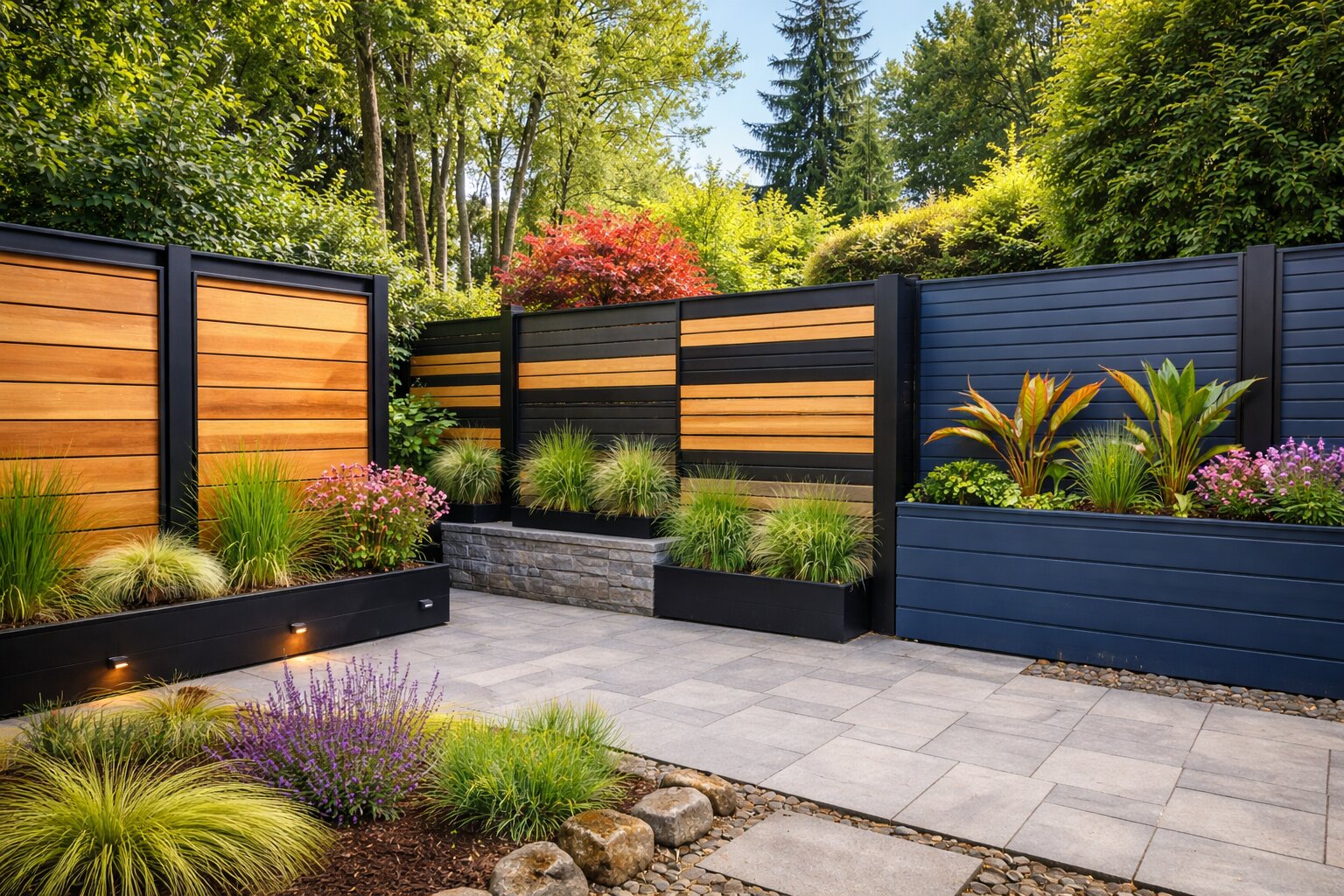
If one trend signals “designed,” it is mixed materials. The most popular combinations pair warmth and texture (wood) with crisp structure (metal) or mass (stone). The goal is less stark, more layered, more natural-looking finishes.
Mixed-Material Combos Homeowners Want
Wood Infill with Black Aluminum Framing
This is a top request for modern homes and updated colonials. The frame gives sharp edges and helps long runs look straight and intentional.
Horizontal Wood with Metal Posts
Metal posts visually disappear more than chunky wood posts, so the slats read like a continuous plane.
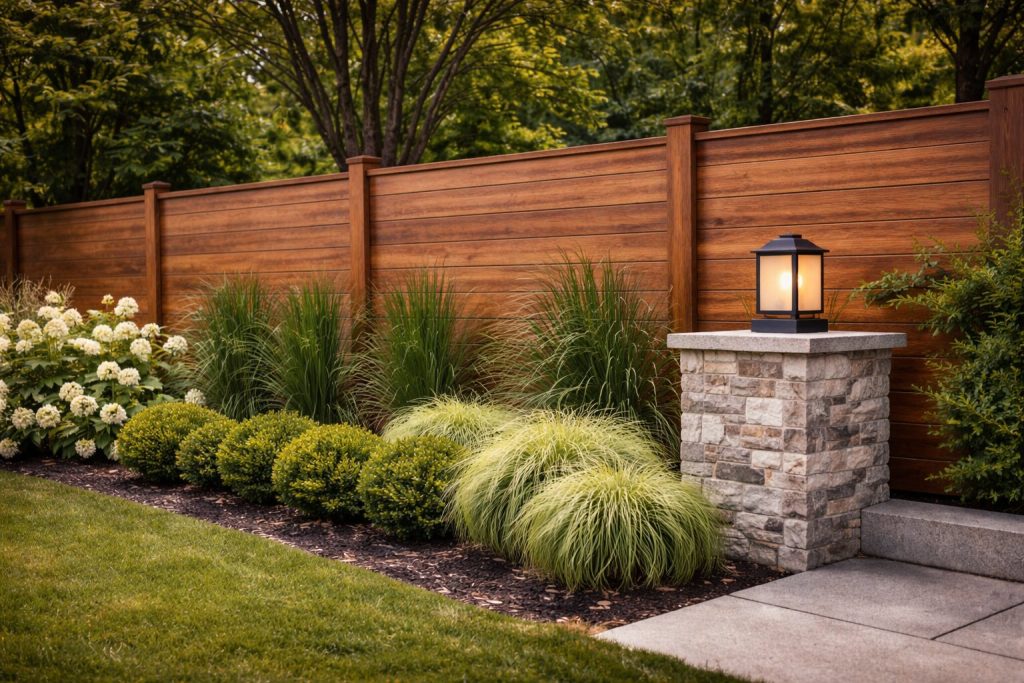
Wood Fence with Stone or Masonry Accents
Best used at entries, corners, or short “feature” sections. You get the upscale look without turning the entire project into masonry work.
How To Avoid Problems With Mixed Materials
Use the Right Fasteners And Separation.
When you combine wood with metal, the wrong fastener can corrode, stain the fence, or loosen over time. Pressure-treated wood chemistry and frequent wetting can accelerate corrosion if materials are mismatched.
Design the “Joints,” Not Just the Panels.
Where does wood stop and metal begin? How do gates match? Do post spacing and panel sizes align with the sightlines of your house and outdoor living areas? The best mixed-material fences look cohesive from every angle.
Bold Color That Still Looks Upscale
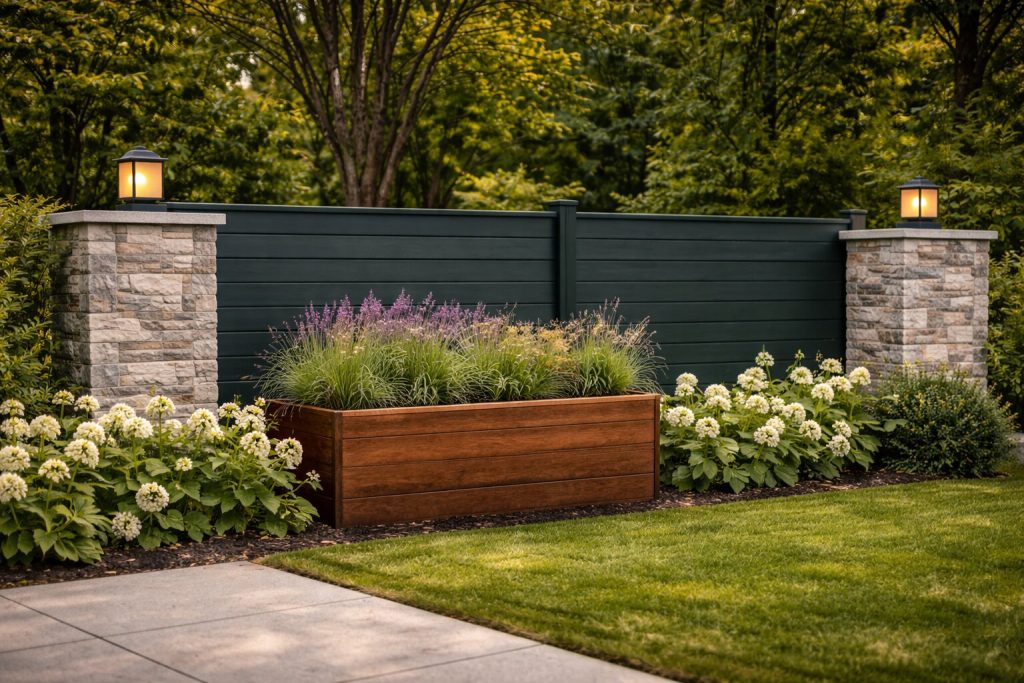
“Bold” in 2026 does not mean neon fence panels. It means color choices that look deliberate and modern, often anchored by calm neutrals, richer stains, or a single standout hue used in a controlled way.
Pantone's Color of the Year for 2026 is PANTONE 11-4201 Cloud Dancer, a soft white that reflects the broader preference for cleaner, calmer foundations.
Fence Color Moves That Fit Litchfield County Homes
Rich Stains Over Light Stains
Deep walnut, espresso, and warm cedar tones read premium and hide everyday dirt better than very light finishes.
Charcoal And Soft Black, Used Thoughtfully
Black is not gone, but the trend is moving toward warmer, softer contrast rather than harsh black everything.
Moody Greens And Blue-Greens As Accents
These can look expensive when paired with stone walls, evergreens, and white or light trim. If you want a statement, use the color on gates, a short front section, or a focal panel, not necessarily the entire perimeter.
Clean Whites And Off-Whites For Front-Yard Fences
A crisp, classic picket can feel fresh again when the lines are sharp and the proportions are modern.
Paint Vs. Stain In A Four-Season Climate
Paint can look incredible, but it is less forgiving if moisture gets trapped. Stain is often easier to maintain because it wears more evenly and is simpler to refresh. Either way, the biggest factor is prep and moisture management at the ground line and end grain.
Low-Maintenance Priorities Are Driving Material Choices
Homeowners are investing in their current homes more than ever, and outdoor projects are part of that. That “improve, not move” mindset shows up in fencing: people want a modern look with fewer weekend upkeep demands.
What “Low Maintenance” Looks Like In 2026
Smarter Wood Decisions
Wood is still popular because it feels warm and natural. The difference is that homeowners are paying closer attention to ground contact risk, drainage, and whether components should be pressure-treated for their exposure.
More Aluminum And Metal Where It Counts
Aluminum and metal are often selected for posts, gates, and structural framing because they hold lines, resist rot, and reduce recurring maintenance.
Designing for Fewer Failure Points
The best fences for homeowners are less fussy: fewer caps that trap water, fewer decorative nooks that collect debris, and cleaner details that shed rain and snow.
Privacy And Safety Features Built Into The Design
Privacy is not just “taller fence” anymore. The trend is to block sightlines without making the yard feel like a box.
Privacy Features That Feel Modern
Semi-Private Horizontal Screens
You get light and airflow while limiting direct views. This also softens the wind load compared to a fully solid wall.
Layered Privacy With Landscaping
A fence plus plantings often looks more high-end than a fence alone, and it can reduce the need for maximum height everywhere.
Zoned Privacy
Instead of building full privacy around the entire yard, homeowners add solid sections where they actually need coverage, like patios, hot tubs, or kitchen window lines.
Litchfield County Planning: Permits, Utilities, And Frost Considerations
Even the best design can turn into a problem if it is placed incorrectly or installed without considering local conditions.
Call Before You Dig
Fence posts require digging. Connecticut's Call Before You Dig program exists to reduce damage to underground utilities and improve safety during excavation. Make it step one, not a last-minute task.
For specific rules and regulations in Litchfield County, contact your local town building or zoning department. Working with a trusted contractor like Connecticut Fence & Gate also ensures your fence complies with local rules and regulations.
Plan For Frost And Movement
Connecticut's freeze-thaw cycle is a major reason fences lean or heave when posts are not installed correctly. The International Residential Code includes frost protection requirements for foundations and other permanent supports, with multiple accepted methods for frost protection depending on conditions.
Your installer should account for soil, drainage, and frost risk so posts stay stable over time.
Confirm Setbacks And Corner Visibility Rules
Fence height and placement rules vary by town, especially for front yards and corner lots.
In Litchfield County, the Town of Litchfield Planning and Zoning Regulations govern how structures and accessory elements like fences relate to property lines, district boundaries, and setback requirements.
Land use documents and permit forms are available through the town's land use department, which administers zoning, planning, and related approvals.
Check your fencing contractor to align with the town's zoning and any HOA requirements before you finalize a layout.
Choosing The Right Fencing Contractor In 2026
Fence design trends in 2026 look simple on paper, but the quality of the final result depends heavily on the contractor you hire. Before signing a contract, focus on experience, transparency, and long-term durability, not just price.
Tips for choosing the right fencing contractor:
- Choose a contractor with modern design experience
- Ask about materials and fasteners for New England weather
- Confirm they follow local permits, setbacks, and zoning rules
- Request recent examples in your preferred style
- Ensure the quote includes post depth, drainage, and gate hardware
- Verify licensing, insurance, and local reputation
- Ask what the workmanship warranty covers
- Get a realistic timeline and weather-delay plan
- Ask how they handle slopes and frost movement
- Review the contract for exact materials, layout, and cleanup
- Pick a contractor who communicates clearly in writing
A qualified fencing professional will help ensure your 2026 fence investment is built to last.
Frequently Asked Questions (FAQs)
How do I choose the right fence height for my yard in 2026?
Start with function first: keep pets and kids in, block sightlines where you actually sit, and avoid overbuilding areas that do not need privacy. For front yards, many homeowners choose lower, more open designs for curb appeal and visibility, then use taller fencing in side or back yards.
What gate styles are trending in 2026?
Clean, square-framed gates are the most common. Homeowners are also choosing wider “drive” gates for multi-car access and matching walk gates that repeat the same lines, spacing, and finish as the fence, so everything looks like one system.
How can I reduce fence maintenance over time?
Design choices matter as much as material. Prioritize ground clearance, avoid details that trap debris, use durable hardware, and choose finishes that can be refreshed without full stripping. Also, plan landscaping so sprinklers and mulch are not constantly soaking the bottom boards.
What is the biggest mistake homeowners make with modern fences?
Ignoring layout and proportions. Modern fences depend on consistent spacing, clean lines, and aligned panels. If posts are off, slopes are not handled well, or gate gaps are uneven, the “modern” look can quickly read as sloppy.
When is the best time of year to install a fence in Connecticut?
Late spring through fall is typically easiest for scheduling and ground conditions, but reputable contractors install in multiple seasons depending on weather and access. If you are targeting peak season, start planning early so you have time for quotes, permits, and material lead times.
Plan Your 2026 Fence With Local Experts In Litchfield County
If you're considering a new fence in Litchfield County, working with an experienced local contractor can help you select the right style, materials, and layout from the start.
Connecticut Fence & Gate provides professional guidance, quality installation, and fence solutions built for New England conditions.
Contact our team today to explore 2026-ready designs and get a fence that looks modern now.