
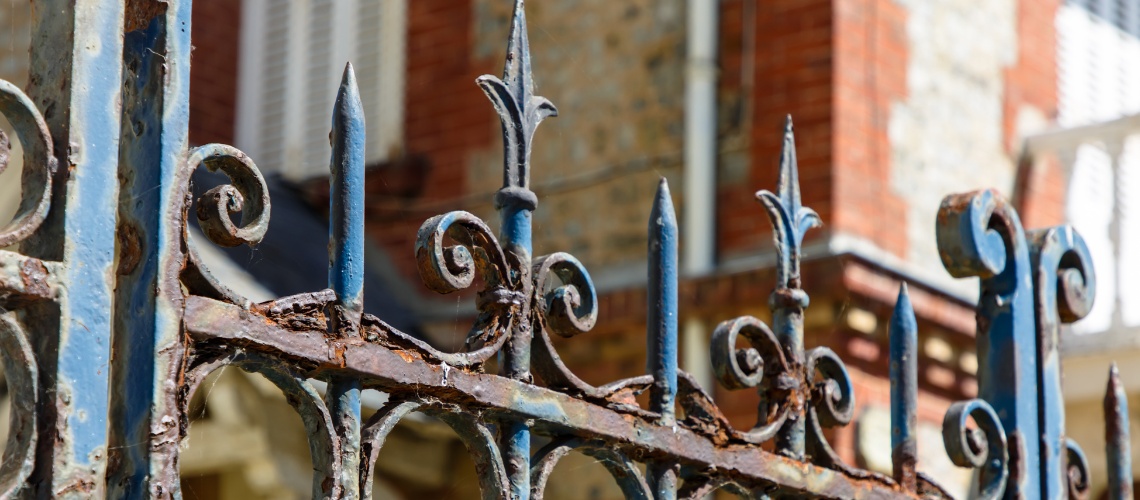
Quick Facts
- Early rust removal and proper surface prep are critical to stop corrosion from spreading.
- Using rust-inhibiting primer and DTM paint provides long-term protection against Connecticut weather.
- Regular inspections help catch small rust spots before they require major metal fence repair.
- Seasonal maintenance reduces moisture exposure and extends the lifespan of your fence.
- Deep or structural rust damage often requires professional repair to ensure safety and durability.
What's In This Guide
- Tools & Materials You'll Need
- Step-by-Step: How to Fix a Rusting Fence
- Fence Restoration Tips for Long-Term Protection
- Signs Your Fence Needs Rust Repair
- Repair vs. Replacement
- Seasonal Fence Maintenance Tips for Connecticut Homeowners
- Common Mistakes to Avoid
- When Fence Company CT Fence Repair Makes More Sense
- Frequently Asked Questions
- Protect Your Fence Before Rust Gets Worse
Metal fences are built for durability, but over time, exposure to the elements can take a toll. Moisture, temperature changes, and everyday wear can gradually lead to rust, weakening both the appearance and strength of the structure.
Addressing rust early is key to preventing more serious damage and extending the life of your fence. Here are practical repair and restoration tips to help you fix a rusting fence in CT.
Tools & Materials You'll Need
Before starting, gather the right materials to ensure a durable repair:
- Wire brush or drill with a wire wheel attachment
- Sandpaper (medium to coarse grit)
- Rust converter or inhibitor
- Clean cloth or lacquer thinner
- Rust-inhibiting metal primer
- Exterior-grade enamel or DTM (Direct-to-Metal) paint
- Protective gear such as gloves, goggles, and a mask
Step-by-Step: How to Fix a Rusting Fence
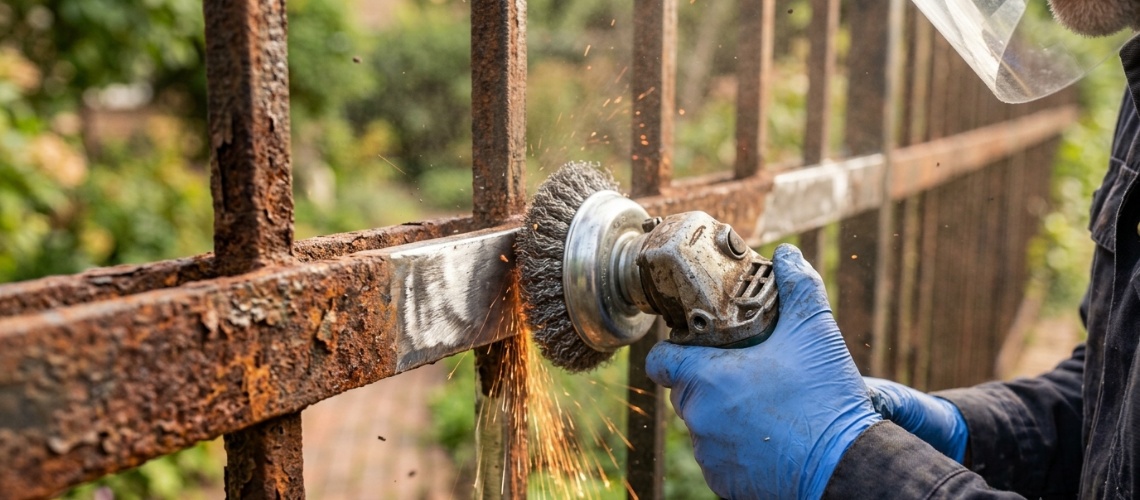
Step 1: Remove Rust and Old Paint
Scrub away all loose rust and peeling paint using a wire brush, sandpaper, or a power drill with a wire wheel for larger areas. The goal is to expose solid metal, since any remaining loose rust can continue spreading beneath the new coating.
Step 2: Clean the Surface
Wipe down the fence with a damp cloth or lacquer thinner to remove dust, grease, and debris, then let it dry completely. A clean surface helps primer and paint bond properly, which is essential for lasting metal fence repair.
Step 3: Neutralize Remaining Rust
Apply a rust converter to any corrosion that remains after scraping and sanding. This treatment helps stop rust from spreading, which is especially important in Connecticut's damp climate.
Step 4: Apply Rust-Inhibiting Primer
Use a primer made specifically for metal surfaces to create a barrier against moisture and improve paint adhesion. For the best results, choose a product rated for exterior exposure and changing New England temperatures.
Step 5: Paint with DTM Coating
Apply two coats of high-quality exterior enamel or DTM paint to seal and protect the metal. A fence company that CT property owners trust will often recommend this type of coating because it resists moisture, sun exposure, and temperature shifts.
Fence Restoration Tips for Long-Term Protection
Repair Structural Damage Early
Replace or reinforce heavily rusted sections before the damage spreads further. Taking care of weak areas early helps preserve the fence's stability and appearance.
Realign Gates and Maintain Hardware
Inspect hinges, latches, and gate alignment to make sure everything operates smoothly. Well-maintained hardware reduces strain on the fence and helps prevent premature wear.
Inspect the Fence Regularly for New Rust
Check joints, corners, and low points where water tends to collect and corrosion often begins. Routine inspections make it easier to catch small issues before they turn into major repairs.
Apply High-Quality Protective Coatings
Use durable primer and exterior-grade paint to create a strong barrier against moisture and seasonal temperature changes. A fence company that CT homeowners trust will often recommend products made for long-term outdoor use.
Treat Small Rust Spots Before They Spread
Use a simple rust-removal method, such as a vinegar and lemon juice solution, for minor surface corrosion. Once treated, seal the area properly so the metal stays protected.
Signs Your Fence Needs Rust Repair
Look for Orange or Brown Discoloration
Rust usually first appears as orange or brown staining on the surface of the metal. These spots are often the earliest sign that moisture has started breaking down the protective coating.
Check for Bubbling or Peeling Paint
Paint that bubbles, lifts, or peels may indicate that rust is forming underneath. Once the coating fails, the exposed metal becomes much more vulnerable to further corrosion.
Feel for a Rough or Flaky Surface
A rough texture or flaking metal is a sign that rust has moved beyond the surface. This type of damage should be addressed quickly before it spreads deeper into the fence.
Inspect for Thinning or Weakened Sections
Corrosion can gradually eat away at the metal, making certain parts thinner and less stable. A fence company that CT homeowners rely on can help evaluate whether those sections can be repaired or need replacement.
Watch for Gates That No Longer Align Properly
Rust can affect hinges, posts, and connection points, causing gates to sag or stop closing correctly. Changes in alignment often signal that corrosion is beginning to impact the fence's function as well as its appearance.
Repair vs. Replacement
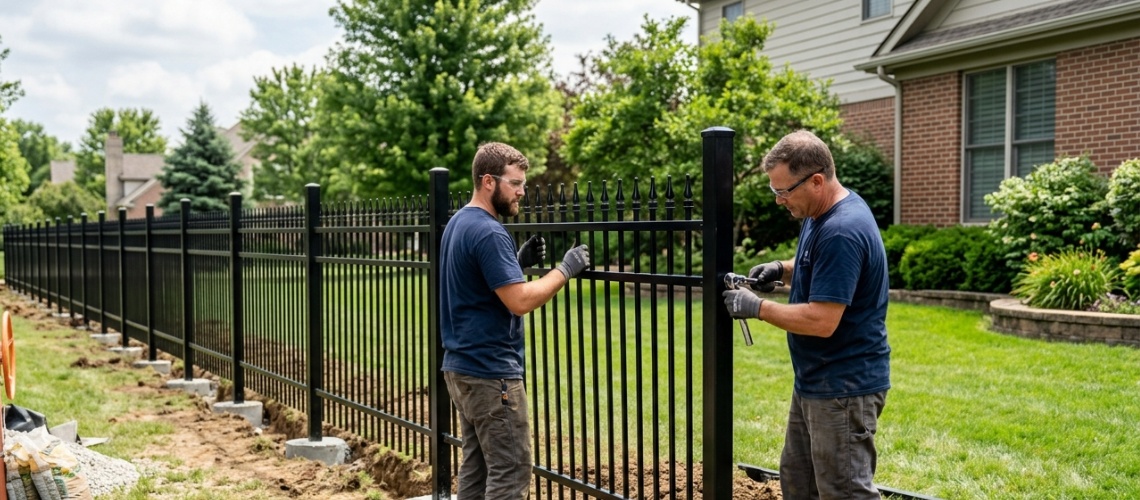
Rust damage does not always mean a fence needs to be replaced, but it also should not be ignored. The right solution depends on how far the corrosion has spread and whether the damage is only cosmetic or starting to affect the fence's strength and function.
|
Option |
Best for |
What It Involves |
|
Repair |
Surface rust, small problem areas, minor holes, or isolated damage |
Removing rust, treating the metal, applying primer and paint, and fixing small sections to restore protection and appearance |
|
Replacement |
Deep corrosion, widespread damage, or weakened structural sections |
Removing and replacing badly deteriorated parts or larger sections that can no longer be safely restored |
Seasonal Fence Maintenance Tips for Connecticut Homeowners
Maintaining a metal fence in Connecticut requires consistent care throughout the year due to changing weather conditions. A seasonal approach helps prevent rust buildup and reduces the need for extensive metal fence repair.
Spring: Inspect for Winter Damage
After snow and ice melt, inspect your fence for rust spots, peeling paint, or weakened areas caused by prolonged moisture exposure. Early detection allows for quick fixes before problems worsen.
Summer: Clean and Repaint
Warm, dry weather makes summer the ideal time to clean your fence and apply protective coatings. Repainting with high-quality materials helps shield the metal from humidity and sun exposure.
Fall: Prepare for Moisture Buildup
Remove leaves, dirt, and debris that can trap moisture against the fence. A fence company CT homeowners trust will often recommend checking joints and low areas where water tends to collect.
Winter: Monitor Snow and Ice
Keep an eye on snow accumulation around the base of the fence, as it can lead to prolonged moisture contact. Clearing excess buildup helps prevent rust and structural strain during colder months.
➤ YOU MIGHT ALSO LIKE: How to Maintain Fence Vinyl: Tips From a Trusted Fence Company Near Me
Common Mistakes to Avoid
Even small missteps during rust repair can lead to faster deterioration, especially in Connecticut's moisture-heavy climate. Avoiding these common mistakes helps ensure your fence stays protected and reduces the need for frequent metal fence repair.
Painting Over Rust Without Removing It
Applying paint directly over rust traps corrosion underneath the surface, allowing it to continue spreading unseen. Proper removal or treatment is essential before any coating is applied.
Skipping Primer Before Painting
Primer creates a protective barrier and improves paint adhesion on metal surfaces. Without it, paint is more likely to peel, crack, and expose the fence to moisture.
Using Interior or Low-Quality Coatings
Interior paints and cheaper products are not designed to withstand outdoor conditions in Litchfield County. High-quality, exterior-grade coatings are necessary for long-term durability.
Ignoring Small Rust Spots
Minor rust patches can quickly expand if left untreated, especially in humid environments. Addressing these early prevents more extensive and costly repairs later.
Delaying Repairs After Damage Appears
Waiting too long to fix visible rust allows corrosion to weaken the structure of the fence. A trusted fence company that CT homeowners rely on can help assess and repair issues before they worsen.
When Fence Company CT Fence Repair Makes More Sense

Some rust issues can be handled with basic DIY work, but others require more than surface treatment. Knowing when to bring in a professional can help prevent further damage, protect safety, and avoid short-term fixes that do not last.
Call a Fence Company in CT for Deep Rust Damage
If rust has eaten well below the surface, sanding and repainting alone will not solve the problem. Deep corrosion can continue weakening the metal even after it has been covered.
Bring in an Expert When the Fence Feels Unstable
A fence that leans, bends, or feels loose may have underlying structural damage. In these cases, professional metal fence repair is often the safest way to restore strength and stability.
Get Help for Section Replacement or Welding
When rust has damaged larger portions of the fence, those sections may need to be cut out and replaced. A fence company that CT homeowners trust can handle welding and repairs that require specialized tools and experience.
Seek Professional Repair for Gate and Hardware Problems
If the gate no longer closes properly or the hinges and latches have started to fail, rust may be affecting more than just the surface. Professional repair can correct alignment issues and keep the fence functioning as it should.
Schedule Your Fence Repair Consultation Today
Frequently Asked Questions
Can I paint over a rusting fence?
No. Rust should be removed or treated with a rust converter before any primer or paint is applied. Painting directly over corrosion traps the damage underneath the surface, which usually causes the coating to fail faster and allows the rust to keep spreading.
How long does a rust repair last?
With proper surface preparation and high-quality materials, a rust repair can last anywhere from 5 to 10 years. The actual lifespan depends on the fence's exposure to moisture, sun, road salt, and how consistently it is maintained over time.
What is the best paint for metal fences in CT?
Exterior-grade enamel or DTM paint is typically the best choice for metal fences in Connecticut. These coatings are designed to handle moisture, temperature swings, and UV exposure, which makes them better suited for long-term protection in New England conditions.
How often should I inspect my fence?
Inspect your fence at least twice a year, ideally in the spring and fall. It is also smart to check it after heavy storms or winter weather, since those conditions can expose new rust spots, loose hardware, or coating damage.
Does rust spread to other parts of the fence?
Yes. Rust can spread when moisture and oxygen continue to reach exposed metal, especially in areas where paint has chipped or cracked. If not treated early, it can move across connected sections and lead to more extensive metal fence repair.
Protect Your Fence Before Rust Gets Worse
Rust does not fix itself. In Connecticut's climate, small issues can quickly turn into structural problems if left untreated. Taking action early with proper cleaning, priming, and painting can extend the life of your fence for years.
For homeowners in Litchfield County who want lasting results, working with an experienced fence company that CT property owners trust can make a significant difference. If your fence is showing signs of rust or structural wear, addressing the issue early can save time and cost in the long run.
Contact Connecticut Fence & Gate for professional guidance and lasting metal fence repair solutions.