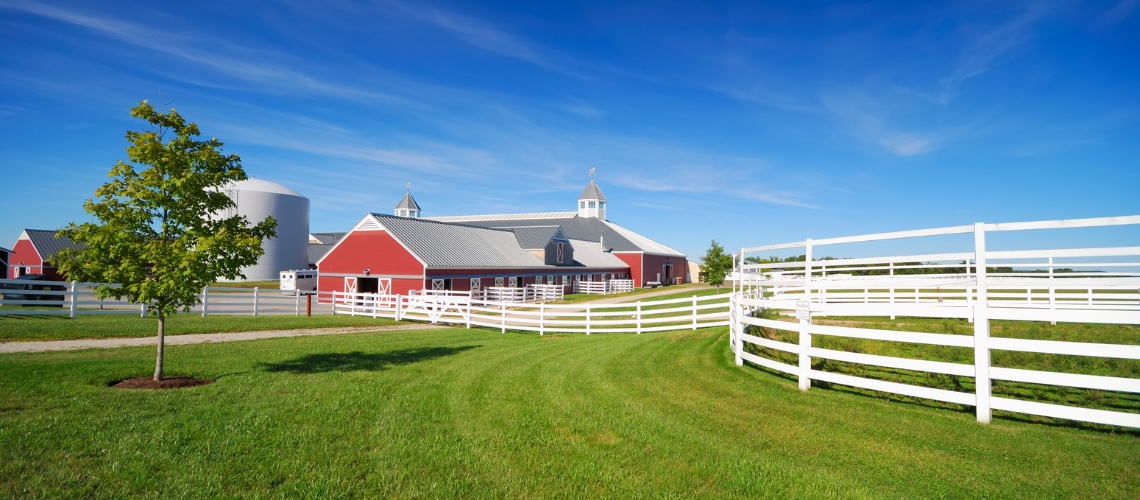
A modern farm-style fence has become a popular choice for homeowners who want clean lines, open space, and a structured look without sacrificing curb appeal. At the same time, more property owners are realizing that the success of these designs depends less on the idea itself and more on how well it is executed.
Choosing the right fence contractor near you plays a direct role in how your fence performs over time. The best farm fence ideas only work when they are matched with the right materials and installed correctly for your specific property.
What's In This Guide
Quick Facts
- The best farm fence ideas should fit your property layout.
- A farm-style fence can look modern, classic, or mixed-material.
- A farm wooden fence feels warmer. A metal farm fence needs less upkeep.
- The right fence contractor near you affects both durability and appearance.
- Strong farm fences balance style, function, and long-term performance.
What Makes a Fence a Modern Farm-Style Fence?
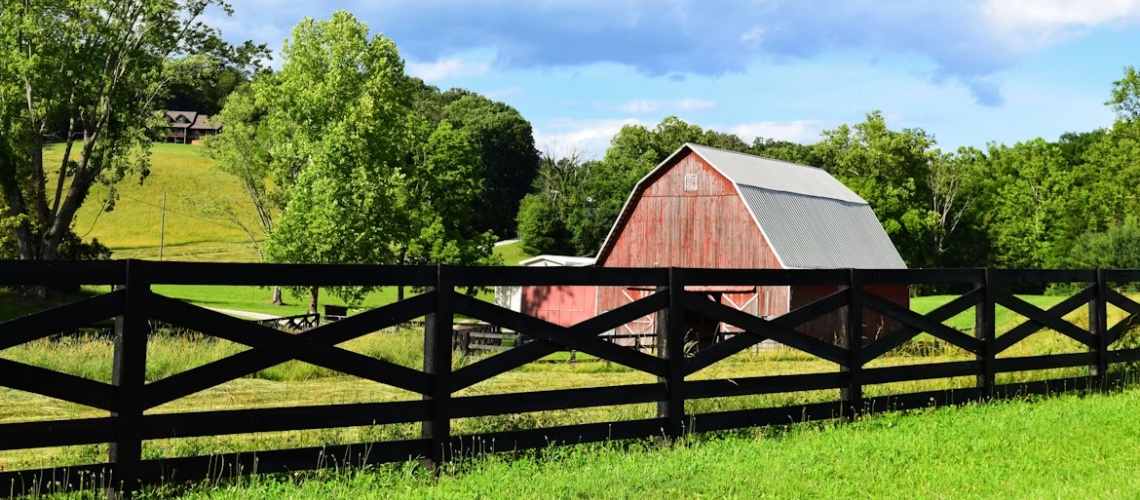
A farm-style fence is defined by simplicity, visibility, and structure. Unlike solid privacy fencing, it uses horizontal rails or open designs that create clear boundaries without closing off the space.
Modern versions of farm fences take that traditional concept and refine it. The lines are cleaner. The spacing is more intentional. Materials are selected not just for function but also for visual consistency with the home.
Most modern designs fall into three categories:
- Farm wooden fence systems with horizontal rails and natural finishes
- Sleek metal farm fence styles with darker coatings and thinner profiles
- Mixed-material designs that combine wood posts with metal panels or mesh
The key difference today is that homeowners are choosing these fences for both form and function. They are used to define property lines, frame driveways, and enhance curb appeal while still maintaining a practical layout.
Farm Fence Ideas That Work for Modern Homes
The best farm fence ideas should match your property's scale, layout, and maintenance needs. These modern farm fences can help narrow your options and show you what to look for before hiring a contractor.
1. Two-Rail and Three-Rail Farm Wooden Fence
A farm wooden fence with two or three horizontal rails is one of the most versatile options for residential properties.
Features
- Open, clean layout with strong horizontal lines
- Works well on frontages, side boundaries, and driveways
- Visually expands the property instead of closing it off
- Available in painted, stained, or natural finishes
- Easy to adapt to traditional or updated home exteriors
Best Use Cases
- Large front yards with visible road frontage
- Homes with long drive entrances
- Properties where curb appeal matters more than privacy
- Owners who want a classic farm-style fence with broad appeal
What To Confirm Before Hiring a Contractor
- Experience installing long, straight farm fences
- Ability to manage grades without awkward rail breaks
- Knowledge of post depth for local soil and weather conditions
- Clear recommendations on wood type and finish performance
2. Black Metal Farm Fence for a Cleaner Modern Look
A metal farm fence gives the same open feel as a rail fence but with a sharper, more contemporary finish.
Features
- Slimmer profile than most wood rail systems
- Strong visual contrast against landscaping and light-colored homes
- Often available in coated finishes for better weather resistance
- Pairs well with modern farmhouse and transitional architecture
- Creates a more refined, architectural look
Best Use Cases
- Homes with black trim, dark windows, or modern exterior accents
- Owners who want a low-maintenance farm-style fence
- Properties where a crisp, symmetrical look matters
- Front and side boundaries that need structure without heaviness
What a Qualified Local Contractor Should Help With
- Recommending materials suited to the climate
- Explaining finish options and maintenance needs
- Planning post locations for a balanced layout
- Matching gate hardware, latch style, and fence proportions
3. Mixed-Material Farm-Style Fence Designs
A mixed-material farm-style fence combines the warmth of wood with the strength and structure of metal.
Features
- Combines wood posts, rails, mesh, or metal framing
- Balances traditional character with modern detailing
- Adds visual depth without making the fence look bulky
- Allows stronger material performance in high-wear areas
- Can make a custom build feel more intentional
Best Use Cases
- Homes with a blend of rustic and modern design elements
- Properties where all-wood fencing feels too soft
- Owners who want a unique look without overdesigning the fence
- Areas where durability matters but warmth is still important
What To Ask Before Moving Forward
- Have you built mixed-material farm fences before?
- Can you show completed projects, not just drawings?
- How do you prevent one material from visually overpowering the other?
- Which parts of the design need the most maintenance over time?
4. Farm Fences With Wire Backing for Pets or Children
Many homeowners like the look of open rail fencing but need better containment.
Features
- Preserves the open look of rail-based farm fences
- Improves containment for dogs and young children
- Can be integrated into a farm wooden fence or a metal farm fence
- Works without turning the fence into a full privacy barrier
- Offers a more practical solution for active households
Best Use Cases
- Backyards with pets that could slip through open rails
- Families with children who use the yard often
- Side yards where visibility still matters
- Homes that want a decorative front style but more practical side sections
What a Reliable Contractor Should Address
- Which wire type fits the fence style best
- How the wire will be attached and tensioned
- Whether the backing affects gate design or spacing
- How to balance containment needs with curb appeal
5. Painted or Stained Farm Wooden Fence Styles
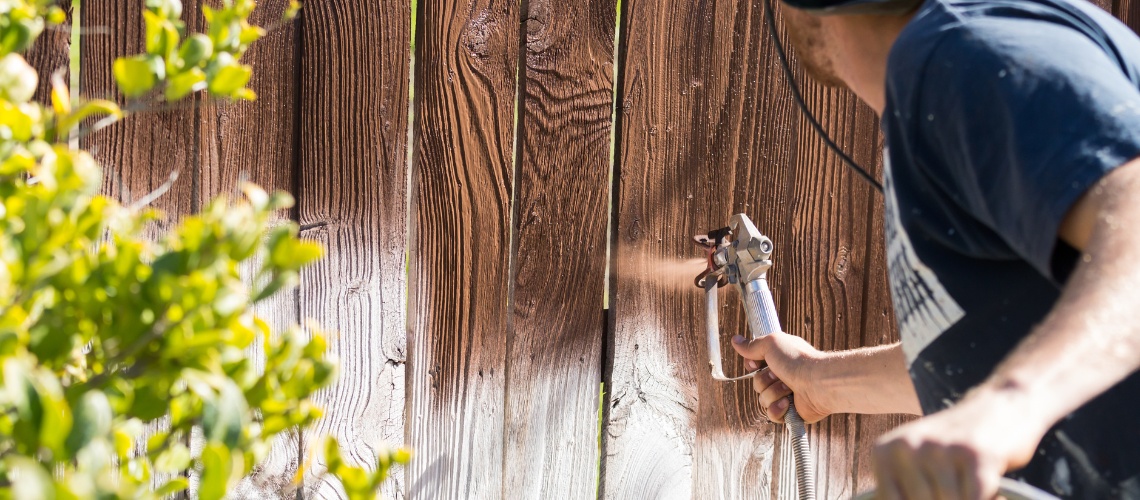
Finish selection plays a major role in how a farm wooden fence feels once installed. Color can shift the look from classic and regional to modern and bold, even when the fence structure stays the same.
Features
- White offers a timeless, traditional presentation
- Black gives a more updated, higher-contrast finish
- Natural stain highlights grain and softens the overall look
- Dark tones often pair well with modern exterior palettes
- Finish choice affects maintenance and weathering patterns
Best Use Cases
- White for traditional homes and established neighborhoods
- Black for modern farmhouse and transitional homes
- Natural stain for wooded lots or softer exterior palettes
- Dark stain for owners who want warmth without a bright finish
What To Discuss With the Contractor Before Choosing a Finish
Finish Longevity
- How the chosen color performs in direct sun
- Whether the product resists peeling or fading
- How often maintenance may be needed
Application Approach
- Whether materials are prefinished or finished on site
- How touch-ups will be handled after installation
- Whether field cuts will expose untreated surfaces
Overall Design Coordination
- How the fence color works with trim, shutters, roofing, or gates
- Whether the finish supports the intended style of the property
- Which option best fits the long-term maintenance plan
➤ READ: 2026 Fence Design Trends: Horizontal Lines, Mixed Materials, and Bold Colors
6. Metal Farm Fence With Coordinated Gates
A metal farm fence with a well-matched gate system can make the entire property feel more complete.
Features
- Creates a more finished and intentional appearance
- Allows visual continuity between fencing and entry points
- Can support pedestrian gates or wider driveway openings
- Works well with modern, symmetrical exterior layouts
- Offers strong curb appeal when proportions are correct
Best Use Cases
- Front entries with high visibility
- Driveways where the gate acts as a focal point
- Larger lots that need controlled access
- Homes where architectural consistency matters
What Local Installation Knowledge Affects
Layout and Clearance
- Gate swing space on sloped drives
- Vehicle access needs at the entrance
- Pedestrian flow near walkways or side yards
Structural Support
- Post strength for heavier gate loads
- Hardware alignment over time
- Stability in freeze-thaw or wet soil conditions
Design Consistency
- Matching rail proportions
- Consistent finish and hardware color
- Balanced spacing near entry points
7. Split Layout Farm Fences for Front and Side Yard Transitions
Some of the best farm fence ideas use separate configurations for different areas of the same property.
Features
- Allows the front elevation to stay open and attractive
- Adapts side or rear sections for pets, children, or utility areas
- Makes the fence feel tailored to how the property is used
- Helps prioritize the budget where visibility matters most
- Keeps the overall farm-style fence cohesive
Best Use Cases
- Homes with a highly visible front yard, but an active backyard
- Properties that need both decorative and practical fencing
- Owners who want different levels of openness by area
- Lots with changing terrain or multiple access points
What To Review With the Contractor
- How the front and side sections will transition visually
- Whether material changes will look intentional
- How gates will be integrated into each area
- Which sections need stronger containment or more durable materials
How To Evaluate Which Design Fits Your Property Best
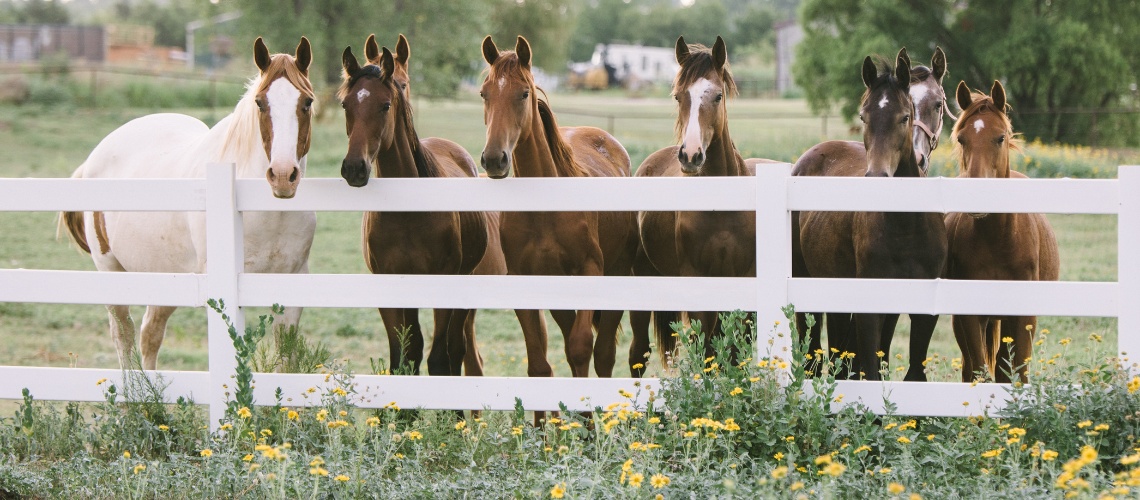
Choosing between these farm fences should come down to more than personal taste. The right design needs to work with the property itself, not fight against it.
Focus on These Decision Points
- Property layout
- Length of fence run
- Slope and grade changes
- Visibility from the road
- Entry and gate placement
Daily Function
- Decorative boundary or active use
- Need for pet or child containment
- Frequency of gate use
- Exposure to weather and wear
Maintenance Expectations
- Willingness to repaint or restain
- Preference for lower-upkeep materials
- Long-term repair considerations
- How the fence will age visually
Frequently Asked Questions (FAQs)
How long does a modern farm fence usually last?
The lifespan depends on the material, finish, installation quality, and local weather. A properly installed wooden farm fence may need more routine upkeep over time, while a well-coated metal farm fence often holds up longer with less maintenance.
Does a farm-style fence increase property value?
A well-designed farm-style fence can improve curb appeal and make the property look more defined and well-maintained. Value impact depends on the neighborhood, the quality of installation, and whether the fence fits the home's style.
Can a fence contractor near me customize farm fence designs?
Yes. Many homeowners start with standard farm fence ideas and then adjust rail count, post size, finish, gate design, or wire backing. A skilled fence contractor should be able to tailor the layout to the property instead of forcing a one-size-fits-all design.
What is the best height for residential farm fences?
That depends on the fence's purpose, the look you want, and local rules. Decorative farm fences are often lower and more open, while fences meant for pets, larger properties, or added boundary definition may need more height and structural support.
Should I choose wood or metal if I want a more modern look?
Both can work, but they create different results. A wooden farm fence usually feels warmer and more traditional, while a metal farm fence tends to look sharper, cleaner, and more contemporary.
Ready To Build Your Farm Fence? Work With the Right Local Experts
If you are ready to move from ideas to execution, working with an experienced team in Litchfield County can make the entire process more efficient and predictable.
Connecticut Fence & Gate brings the local expertise, design insight, and installation precision needed to build a fence that not only looks right but lasts.