
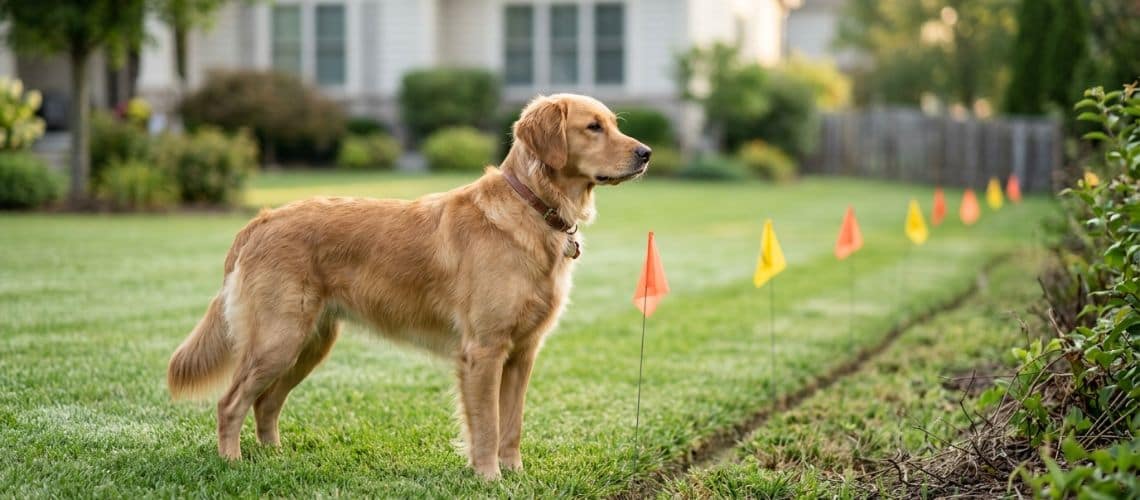
Invisible and electric fences are often considered when homeowners want a pet-containment option that is less visible than a traditional fence. They can work with a range of property layouts, help preserve open views, and may cost less than installing a physical barrier.
Still, these systems are not the same as a traditional fence. They do not create a physical boundary and instead rely on training, supervision, and a pet's response to the system. That means they may be less effective for animals that are highly distracted, reactive, or motivated to chase.
WHAT'S IN THIS GUIDE
QUICK FACTS
- Invisible fences rely on training and do not block outside animals.
- Electric fences use a wire barrier with a deterrent pulse.
- Traditional fences offer the most reliable containment.
- The best option depends on your pet and property.
- A quality fence improves safety, security, and curb appeal.
What Is an Invisible Fence?
An invisible fence (sometimes called a wireless or underground fence) is an electronic pet containment system that creates a boundary around a yard without using visible fencing. Instead of a physical barrier, the system uses a signal to define where pets should stay within a property.
How the System Works
Invisible fences typically rely on a buried wire or wireless boundary system that communicates with a receiver worn by the pet.
Basic components include:
- A boundary wire (installed underground) or wireless transmitter
- A receiver collar
- A control unit inside the home
When the pet approaches the boundary:
- The collar emits a warning tone or vibration.
- If the pet continues forward, a corrective signal may activate.

Common Uses in Suburban Connecticut Homes
Invisible fences are sometimes used in neighborhoods where physical fencing may be limited or discouraged.
Typical scenarios include:
- HOA communities with restrictions on fence style or visibility
- Properties with scenic views where homeowners want to avoid blocking sightlines
- Large suburban lots where installing a full perimeter fence could be costly
Pros of Invisible Fences
- Minimal visual impact on the yard
- Often has a lower installation cost than traditional fencing
- Flexible layout that can follow irregular property lines
- No digging of post holes or large structural work
Cons of Invisible Fences
- Not a physical barrier. Animals or people can still enter the yard
- Effectiveness depends on training and the animal's temperament
- May not stop pets with a strong prey drive or high distraction
- Does not prevent wildlife or stray animals from entering the property
What Is an Electric Fence?
An electric fence uses electrified wires to deliver a short, controlled pulse when touched. These systems are commonly used for livestock containment and property security rather than household pet boundaries.
How the System Works
Electric fencing systems operate through a closed electrical circuit.
Typical components include:
- Electrified wire or tape
- Fence posts
- An energizer unit that sends pulses of electricity
- A grounding system
When an animal or person touches the wire, the circuit is completed, and a brief electrical pulse is delivered. The pulse is designed to discourage contact rather than cause harm.
Common Uses in Suburban Connecticut Homes
Electric fencing is less common in suburban residential neighborhoods.
It is more often used for:
- Agricultural properties
- Rural land or livestock containment
- Wildlife deterrence in larger properties
NOTE: Many Connecticut municipalities, like Greenwich, restrict or prohibit electrified fencing in typical residential zones. Some areas allow it only in agricultural or industrial districts.
Pros of Electric Fences
- Highly effective deterrent for livestock or wildlife
- Can cover large areas at relatively low cost
- Quick installation for agricultural use
Cons of Electric Fences
- Often restricted in residential neighborhoods
- Requires careful installation and maintenance
- Not suitable for many suburban properties
- May raise safety concerns in areas with children or pedestrian traffic
Connecticut Considerations for Pet Containment
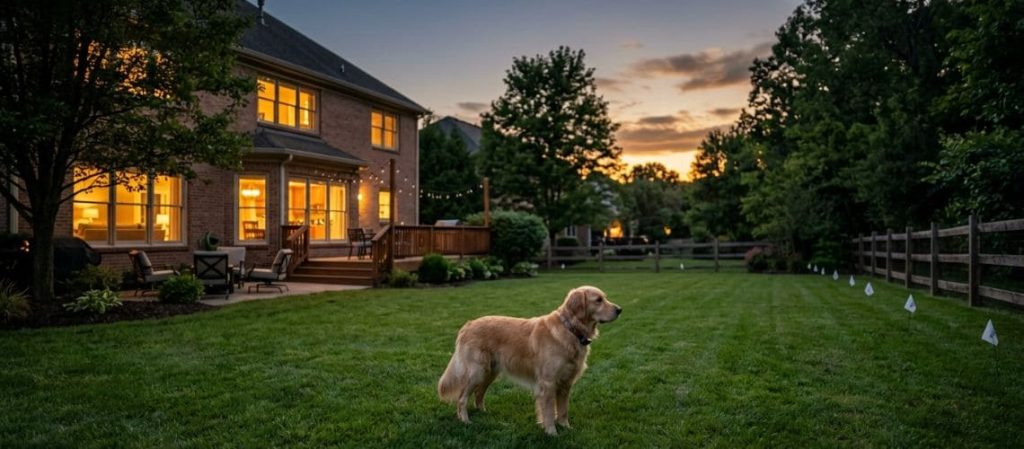
Connecticut homeowners should be careful not to treat invisible fences and electric fences as interchangeable.
Connecticut's law on battery-charged security fences applies to a narrow type of nonresidential security fence, not a standard backyard pet-containment system.
Under Connecticut General Statutes § 7-152g, a battery-charged security fence must:
➤ Be located on property not zoned exclusively for residential use
➤ Be placed behind a non-electric fence, wall, or barrier at least five feet high
➤ Include conspicuous warning signs posted at intervals of no more than 30 feet
➤ Meet specific technical and operational requirements tied to commercial-security use
The law also limits how municipalities can regulate these systems, but only within that specific nonresidential context.
What Type of Fence Works Best for Pets?
Vinyl Privacy Fences
Vinyl privacy fences are designed to create a solid enclosure with little to no visibility through the panels. For pet owners, this can be helpful when a pet is easily distracted by movement outside the yard.
This type of fence is often chosen because it:
- Creates a clear physical boundary
- Blocks outside distractions
- Offers privacy for both pets and homeowners
- Requires relatively low maintenance
Vinyl privacy fencing can work well for pets that do better in a calmer, more enclosed environment. Its main drawback is that it can cost more than some other fencing options.
Wood Fences
Wood fences are one of the most versatile choices for pet containment because they can be built in different heights and styles. They can also provide either partial or full privacy, depending on the design.
This fence type is often valued for its:
- Strong physical barrier
- Flexible design options
- Natural appearance
- Ability to create a more enclosed yard
Wood fences can be a good option for many pets because they provide a dependable boundary and can limit outside visual triggers. However, they usually require more upkeep over time, especially as boards age, warp, or loosen.
Aluminum Fences
Aluminum fences are known for their durability and open design. They define the perimeter clearly without fully closing off the yard visually.
They are often selected for their:
- Clean, decorative appearance
- Low maintenance
- Resistance to rust
- Long-term durability
For pets, aluminum fencing can work best when visibility is not a concern and the spacing between rails is appropriate. Because it is not a privacy fence, it may not be ideal for pets that react strongly to people, animals, or activity outside the yard.
Chain Link Fences
Chain link fences are a practical and common choice for pet containment. They create a visible physical boundary and are often used when function matters more than appearance.
They are often chosen because they:
- Are budget-friendly
- Provide a solid perimeter
- Are durable and widely available
- Can work well for many yard sizes
Chain link fencing can be effective for general pet containment, but it does not offer privacy. Pets that are easily stimulated by outside movement may not do as well with this type of fence unless additional screening is added.
How To Choose the Right Fence for Your Pet

Consider Your Pet's Size and Physical Ability
A fence should match your pet's size and movement habits. Smaller pets may need narrower gaps to prevent slipping through, while larger or more athletic pets may need a taller, more secure barrier. Some pets are also more likely to jump, climb, or push against boundaries, which makes fence height and structure especially important.
Think About Visibility and Stimulation
Some pets do well with an open view, while others become stressed or overly reactive when they can see people, traffic, or animals outside the yard. In those cases, a more private fence may help create a calmer environment. If your pet is easily distracted or territorial, reducing outside visual triggers can be just as important as creating a physical boundary.
Prioritize Security Over Appearance
A fence should first and foremost provide reliable containment. That means looking closely at:
- Height
- Spacing between pickets or rails
- Gaps at the bottom
- Durability of materials
- Resistance to chewing, scratching, or weather-related wear
A fence may look attractive from the street, but it also needs to hold up to everyday use and keep the enclosure secure over time.
Consider the Yard Layout
Your property can influence which fence type makes the most sense. Sloped ground, uneven terrain, corners, and landscaping features can all affect installation and long-term performance. A fence that works well on a flat, open yard may need adjustments on a property with grade changes or irregular boundaries.
➤ READ: How to Dog-Proof Your Fence: A Practical Step-by-Step Guide
Frequently Asked Questions (FAQs)
Do invisible fences work for all pets?
Invisible fences can work for some pets, but not all. Their effectiveness depends on consistent training, supervision, and the pet's temperament. Pets that are highly distracted, reactive, or motivated to chase may be more likely to cross the boundary.
Are invisible fences the same as electric fences?
No. Invisible fences typically use a buried wire or wireless signal paired with a receiver collar to create a boundary without a visible barrier. Electric fences, on the other hand, use electrified wires that deliver a brief pulse when touched and are more commonly used for agricultural or security purposes.
Are electric fences allowed in residential areas in Connecticut?
Electric fences may face restrictions in many residential areas. Connecticut law addressing battery-charged security fences applies primarily to nonresidential properties. Local zoning ordinances or neighborhood rules may prohibit electrified fencing in suburban residential districts.
Do invisible fences replace a traditional fence?
Not completely. Invisible fences do not create a physical barrier, which means they cannot prevent people, wildlife, or other animals from entering the yard. Traditional fencing is usually more reliable when a fully enclosed space is needed.
What should homeowners consider before choosing a pet-containment fence?
Homeowners should consider the pet's size, behavior, and activity level, as well as the property layout and local regulations. Checking municipal zoning rules, HOA guidelines, and fence restrictions can help ensure the chosen containment method is both safe and compliant.
Find the Right Fence Solution for Your Property
Working with experienced professionals can help ensure the fence is designed and installed correctly. Factors such as yard size, terrain, fence height, and spacing all play a role in creating a secure enclosure that works for both the property and the animals that use it.
If you are considering installing a new fence or upgrading an existing one, Connecticut Fence & Gate can evaluate your property and help you determine a fencing solution that fits your containment needs and complies with local guidelines.
Connect with us today.