
A decorative fence should do more than look nice from the street. For Connecticut homeowners, it also needs to handle snow, rain, humidity, and the constant wear of changing seasons.
The good news is that you do not have to choose between style and practicality. Some of the best decorative fence ideas offer both. They add character, improve curb appeal, and still make sense for the local climate.
What's In This Guide
Quick Facts
- The best fences balance style, durability, and maintenance.
- Each fence material has different strengths.
- Connecticut weather makes durability especially important.
- The right fence should fit the home and yard.
- Long-term performance depends on material and installation.
5 Types of Fences for Connecticut Homes
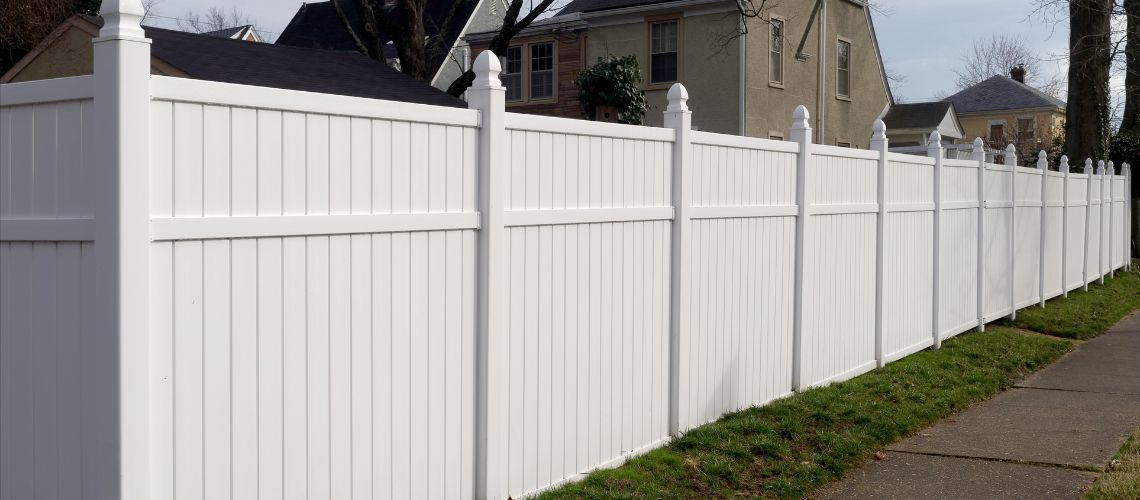
1. Vinyl Privacy Fences With Decorative Top Accents
Vinyl fencing has become one of the most popular types of fences for homeowners who want privacy without extensive upkeep.
Design Characteristics
Vinyl privacy fences can incorporate decorative elements that soften their appearance, including:
- Lattice panels above the main fence line
- Arched or scalloped tops
- Decorative post caps
- Neutral color finishes such as white, tan, or gray
These features transform a standard privacy barrier into one of the more versatile decorative fence ideas for suburban properties.
Why Vinyl Works Well in Connecticut
Vinyl fencing performs well in climates with significant moisture. It does not rot or absorb water the way untreated wood can, and it generally requires minimal maintenance beyond cleaning.
For homeowners dealing with Connecticut's humid summers and wet winters, vinyl offers:
- Resistance to moisture-related decay
- No need for staining or painting
- Long-term color stability
Ideal Applications
Vinyl decorative fences work particularly well for:
- Backyard privacy
- Pool enclosures
- Patio and outdoor living spaces
- Homes where low maintenance is a priority
Considerations
Quality matters. Lower-grade vinyl may become brittle in extremely cold temperatures. Professional installation with properly anchored posts is important to accommodate seasonal expansion and contraction.
For homeowners seeking a clean, upscale appearance, vinyl can also create a refined or luxury fence look when paired with decorative trim and landscaping.
2. Wood Picket Fences With Custom Details
Few fencing styles feel as classic as a traditional wood picket fence. This design is especially compatible with New England architecture, such as Colonial, Cape Cod, and farmhouse-style homes.
Design Characteristics
Wood picket fences can be customized through details such as:
- Rounded or pointed pickets
- Arched fence sections
- Decorative gates
- Painted or stained finishes
- Post caps or trim
These features make wood fencing one of the most recognizable decorative fences in residential neighborhoods.
Why Wood Works in Connecticut
Wood fences complement the historic character of many Connecticut communities. When properly installed and maintained, they create a strong visual appeal without blocking views.
They are also widely used in garden fencing ideas because they allow airflow and sunlight while defining planting areas.
Ideal Applications
Wood picket fencing is well-suited for:
- Front yards
- Cottage-style landscaping
- Decorative property boundaries
- Homes seeking a traditional New England appearance
Maintenance Considerations
Wood requires consistent maintenance in wetter climates. Moisture exposure can lead to fungal decay and structural weakening if surfaces are not protected. Fungi are the primary cause of wood decay.
To maintain durability, homeowners should plan for:
- Periodic staining or sealing
- Inspection for rot or insect damage
- Proper drainage around posts
3. Aluminum Ornamental Fences for an Elegant Look
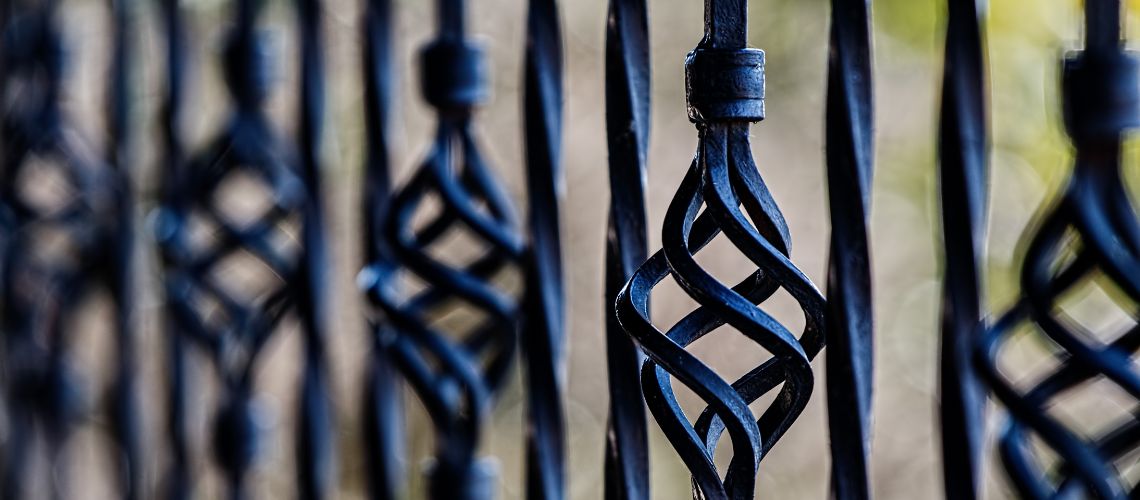
Ornamental aluminum fencing offers a refined appearance similar to wrought iron but with significantly lower maintenance requirements.
Design Characteristics
These fences typically feature:
- Narrow pickets with spear or flat tops
- Decorative rings or finials
- Powder-coated finishes such as black or bronze
- Clean architectural lines
Because of their refined profile, aluminum fences are often chosen when homeowners want a more upscale or luxury fence aesthetic.
Climate Advantages
Aluminum performs well in areas exposed to snow, rain, and humidity because it does not absorb moisture.
It also works well for sloped properties since many aluminum systems can adjust to uneven terrain.
Ideal Applications
Aluminum decorative fencing works well for:
- Front yard enclosures
- Pool fencing
- Properties with extensive landscaping
- Homes where visibility and openness are desired
Coastal Considerations
Homes near Connecticut's shoreline should consider corrosion resistance. Coastal environments can accelerate metal corrosion due to salt exposure, making protective coatings important.
Other Considerations
Because the design is open, aluminum fencing does not provide privacy. It is best used where visibility is an advantage rather than a limitation.
4. Horizontal Composite or Mixed-Material Fences
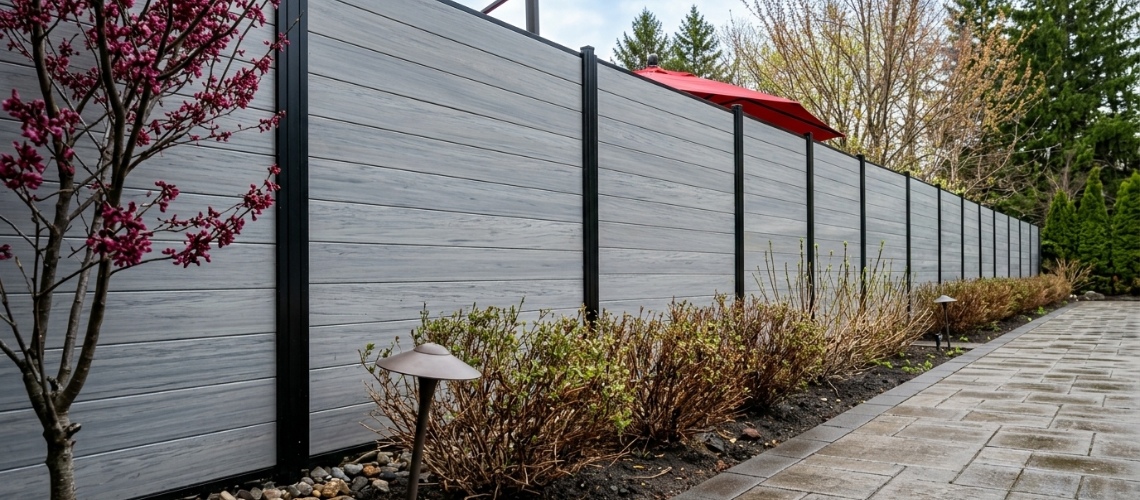
Modern residential architecture has introduced new decorative fence ideas that use horizontal lines and mixed materials.
Design Characteristics
Common elements include:
- Horizontal boards or slats
- Composite or engineered wood panels
- Metal posts or framing
- Minimalist layouts
This style creates a contemporary visual statement while still providing privacy.
Performance Advantages
Composite-style materials often require less maintenance than traditional wood. Many systems are engineered to resist moisture absorption, fading, and surface wear.
For Connecticut homeowners, horizontal composite fencing can provide:
- Privacy without bulky vertical panels
- Modern curb appeal
- Reduced maintenance compared with wood
Ideal Applications
Horizontal fencing is often chosen for:
- Modern or renovated homes
- Backyard privacy
- Patio screening
- Contemporary landscape designs
Considerations
Because of its strong visual style, horizontal fencing may not blend well with older historic homes unless carefully integrated into the landscape design.
5. Decorative Garden and Boundary Fences
Not every fence needs to enclose an entire yard. Short decorative fences can highlight landscaping and create visual structure throughout a property.
These designs are often used as part of garden fencing ideas to define planting areas without fully blocking views.
Design Characteristics
Garden fences may include:
- Low picket designs
- Decorative metal borders
- Lattice panels
- Short split-rail sections
These designs guide foot traffic, frame flower beds, and create visual organization within the yard.
Landscaping Considerations for Connecticut
Plant selection plays an important role when pairing fencing with landscaping. Some plants commonly used in decorative gardens can become invasive.
For example, Japanese barberry is considered invasive throughout New England and is discouraged in residential landscapes because it spreads rapidly and disrupts native ecosystems.
Ideal Applications
Decorative garden fences work well for:
- Flower beds
- Walkway borders
- Side yard separation
- Cottage-style landscapes
Considerations
These fences are primarily decorative and may not provide significant security or privacy.
How To Choose the Right Decorative Fence for Connecticut Weather
Selecting among different types of fences becomes easier when homeowners focus on practical considerations first.
Step 1: Define the Fence's Primary Purpose
Start by identifying the main goal:
- Privacy
- Curb appeal
- Pool safety compliance
- Pet containment
- Garden organization
The purpose will influence both height and material selection.
Step 2: Match the Fence Style to the Home
Certain styles work better with specific architecture.
Traditional homes often pair well with wood picket or aluminum ornamental fencing, while modern homes may benefit from horizontal composite designs.
Step 3: Evaluate Local Weather Exposure
Connecticut weather introduces several factors that influence fence performance:
- Snow accumulation
- Freeze-thaw ground movement
- Humid summers
- Heavy rainfall
- Coastal salt exposure in shoreline towns
Materials and installation methods should account for these conditions.
Step 4: Be Realistic About Maintenance
Each material requires a different level of upkeep.
Wood fences require periodic sealing or staining. Vinyl and aluminum typically require less maintenance but may cost more initially.
Step 5: Plan Around Landscaping
Fence placement should allow space for plant growth and yard maintenance.
Avoid invasive plants and consider how wildlife such as deer may interact with landscaping and fencing structures.
Step 6: Review Local Regulations
Before installing a fence, homeowners should verify:
- Local zoning requirements
- Property line locations
- Pool barrier regulations
- Homeowners association guidelines if applicable
These factors can affect fence height, placement, and style.
5 Common Mistakes Homeowners Make With Decorative Fences
A decorative fence can add real curb appeal, but the wrong choices can lead to extra maintenance, faster wear, and a look that does not work well with the property. Here are some of the most common mistakes to avoid.
1. Choosing Looks Over Function
A fence should match the home, but it also needs to serve a purpose. Some homeowners focus only on appearance and overlook privacy, security, or boundary needs.
2. Picking the Wrong Material for Connecticut Weather
Not all types of fences handle snow, rain, humidity, and freeze-thaw cycles equally well. A material that looks great at first may not hold up well over time.
3. Ignoring Maintenance Needs
Some decorative fences need more upkeep than homeowners expect. Wood, for example, usually requires sealing, staining, or painting to stay in good shape.
4. Overlooking Installation Quality
Even a well-designed fence can fail early if the posts are not set properly or the layout does not account for soil movement and drainage.
5. Crowding the Fence With Landscaping
Many garden fencing ideas look best with plants nearby, but shrubs and vines placed too close can trap moisture and speed up wear. Proper spacing helps protect both the fence and the landscape.
➤ READ: Fence Design Ideas for 2026: Horizontal Lines, Materials & Colors
Frequently Asked Questions (FAQs)
What fence style adds the most curb appeal to a home?
Picket fences, ornamental aluminum fences, and clean-lined horizontal fences are often strong curb appeal choices because they frame the property without overwhelming the home's exterior. The best option depends on the home's architecture and lot layout.
Which decorative fence is usually the most budget-friendly?
Wood picket fencing is often one of the more budget-friendly decorative options upfront, though long-term maintenance costs can be higher than vinyl or aluminum. Total cost depends on material grade, height, design details, and installation complexity.
Can a decorative fence help define outdoor living spaces?
Yes. Decorative fences can visually separate patios, gardens, seating areas, and side yards, making the property feel more organized and intentional without requiring a full privacy enclosure.
How do I choose a fence color that will not look dated quickly?
Neutral shades such as white, black, bronze, tan, and natural wood tones tend to stay visually versatile longer. Choosing a color that complements the siding, trim, and hardscaping usually creates a more lasting look.
Is it better to match the fence to the house or the landscape?
In most cases, the fence should relate to both, but it should first make sense with the home's style. Once that is established, landscaping can soften the edges and help the fence feel more integrated into the yard.
Upgrade Your Property With the Right Decorative Fence
If you are considering a new fence or replacing an existing one, working with experienced professionals in Litchfield County can make the process much easier.
Connecticut Fence & Gate helps homeowners evaluate materials, explore decorative fence options, and design fencing solutions that suit both the property and Connecticut's climate.
Connect with us.