
Quick Facts
- Fence installation in Connecticut typically costs $20 to $73 per linear foot in 2026.
- Material choice plays a major role in total cost, with chain-link usually costing less than wood, vinyl, or aluminum.
- Property size and layout can quickly raise the final price.
- Site conditions, permits, and upgrades can add to the overall cost.
- A local quote is the best way to get accurate pricing for your property.
What's In This Guide
Fence installation costs in Connecticut can vary widely based on your property size, chosen materials, and overall project complexity, but in 2026, most homeowners can expect pricing to fall between $20 and $73 per linear foot. Costs in Connecticut also tend to run higher than the national average due to stronger regional labor and construction pricing, with local skilled labor averaging about $68 per hour.
Here are the average costs you can expect.
How Much Does It Cost to Put In a Fence in Connecticut
Wood Fence Costs in Connecticut
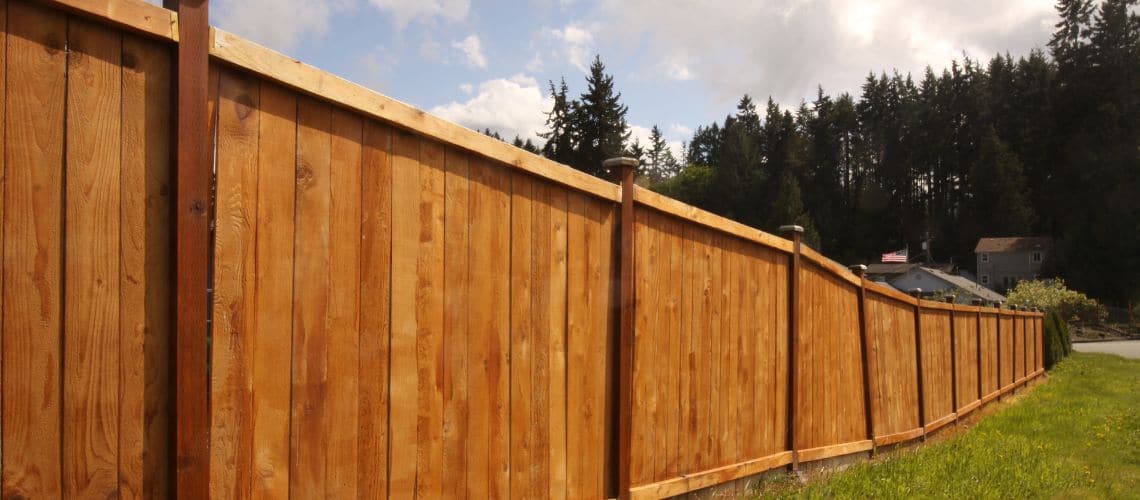
Wood fencing is a popular choice for homeowners who want privacy, a natural look, and flexible design options. In Connecticut, wood fence installation averages about $3,231, with most projects falling between $1,919 and $4,836. Basic wood materials like pine and spruce usually cost less, while premium or specialty woods cost more. Labor can also raise the total, especially for larger yards or more detailed fence styles.
➤ MORE ON THIS TOPIC: Wood Fence Cost Per Foot: What to Expect From Fence Builders Near Me
Vinyl Fence Costs in Connecticut
Vinyl fencing is known for its clean appearance and low maintenance. In Connecticut, vinyl fence costs usually range from $30 to $60 per linear foot installed. For a 200-linear-foot project, that means many homeowners spend about $6,000 to $12,000. If you are wondering about the cost to install a fence that holds up well over time, vinyl is often one of the most durable options.
Chain-Link Fence Costs in Connecticut
Chain-link fencing is one of the most affordable choices for homeowners who want simple security or a practical boundary fence. In Connecticut, chain-link fence installation usually costs $10 to $40 per linear foot installed. This can be a smart option if you are trying to manage the average fence cost without giving up function.
Aluminum Fence Costs in Connecticut
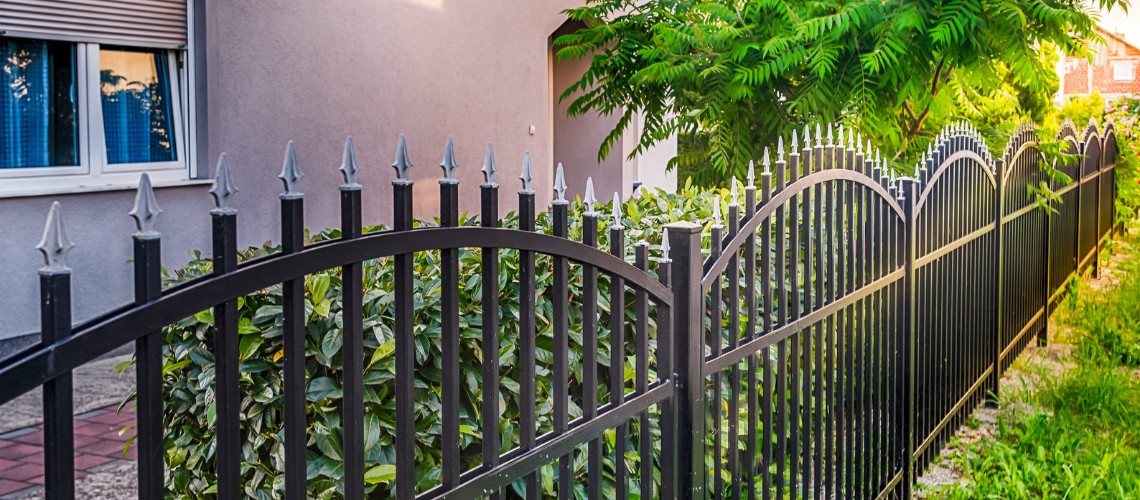
Aluminum fencing is a strong option for homeowners who want durability and a more decorative look. In Connecticut, aluminum fence installation generally costs $25 to $75 per linear foot installed. It is often used around front yards, pools, and properties where appearance matters as much as security.
|
Fence Type |
Typical Cost in Connecticut |
|
Wood |
$1,919 to $4,836 average project cost |
|
Vinyl |
$30 to $60 per linear foot installed |
|
Chain-link |
$10 to $40 per linear foot installed |
|
Aluminum |
$25 to $75 per linear foot installed |
**Fence prices vary based on material quality, fence height, total length, labor, and site conditions, so the final cost to install a fence may be higher or lower depending on the project. For a more accurate estimate, it's best to consult a fence company Litchfield, CT, homeowners trust, such as Connecticut Fence & Gate, for local insight and pricing.
Factors That Affect Fence Installation Costs
Fence pricing is not one-size-fits-all, and the total cost can vary based on several key details. Understanding these factors can help you better estimate how much it costs to install a fence on your property.
Fence Height
Taller fences require more materials and stronger support posts, which increases both material and labor costs. A 6-foot privacy fence will typically cost more than a 4-foot decorative fence.
Fence Material
The type of material you choose plays a major role in overall pricing. Chain-link is usually the most affordable, while materials like vinyl, aluminum, and wood vary based on quality and design.
Property Size and Layout
Larger properties require more fencing, which directly increases the total cost. Irregular layouts or long perimeters can also add complexity to the project.
Site Preparation
Preparing the land can add to the cost, especially if there are slopes, trees, or existing structures to remove. Difficult soil conditions or obstacles may increase labor time and equipment needs.
Labor Costs
Labor often makes up a large portion of the total project cost. Rates can vary depending on location, project complexity, and the experience of the contractor, which is why working with a fence company that Litchfield, CT, homeowners trust can help ensure accurate pricing and quality results.
Permits and Regulations
Most areas require permits for fence installation, which adds a small but necessary cost. Local rules may also impact fence height, placement, and materials.
Gates and Additional Features
Adding gates, decorative elements, or upgrades will increase your total project cost. Features like post caps, finishes, and custom designs can quickly raise the overall budget.
How to Estimate How Much It Costs to Get a Fence Built

Before you compare quotes, it helps to understand the main details that shape the total price. A simple estimate starts with your yard size, then builds from your material, fence style, and site conditions.
Step 1: Measure Your Property
Start by measuring the area where the fence will be installed so you can estimate the total linear footage. This gives you the foundation for calculating material needs and overall labor.
Step 2: Choose Your Material
Your material choice has a major effect on both upfront cost and long-term maintenance. Wood, vinyl, chain-link, and aluminum all come with different price points, looks, and durability levels.
Step 3: Decide on Height and Style
Fence height and design will affect how much material is needed and how long installation takes. Privacy fences usually cost more than simpler decorative styles because they use more boards or panels.
Step 4: Evaluate Site Conditions
The condition of your yard can change the price more than many homeowners expect. Slopes, rocky soil, tree roots, and tight access areas can all increase labor and prep work.
Step 5: Add Labor and Extras
A complete estimate should include more than just the fence panels and posts. Be sure to factor in labor, permits, gates, old fence removal, and any finishing touches or upgrades.
Step 6: Get Local Quotes
Once you know your basic project details, compare quotes from local installers for a more accurate price range. This is often the best way to understand the true cost for your specific property.
Tips to Save Money on Fence Installation
Fence installation can be a major expense, but there are practical ways to keep costs under control without cutting corners. A few smart decisions early in the planning process can make a noticeable difference in your final budget.
Choose Cost-Effective Materials
Some materials cost much less than others while still meeting basic needs for security or property boundaries. Chain-link and basic wood are often the most budget-friendly options for homeowners watching the cost to install a fence.
Schedule Installation During the Off-Season
Fence companies are often busiest in spring and summer, which can make pricing less flexible. Planning your project during slower months may help you secure better availability and lower overall costs.
Limit Custom Features and Upgrades
Decorative details, specialty finishes, custom gates, and upgraded post caps can quickly raise the total price. Keeping the design simple is one of the easiest ways to manage the average fence cost.
Compare Multiple Quotes
Getting estimates from more than one contractor gives you a better sense of fair local pricing. It also helps you compare materials, labor, and project scope before making a decision.
Keep Up With Fence Maintenance
Routine maintenance can help your fence last longer and delay the need for major repairs or full replacement. Cleaning, staining, and checking for minor damage can protect your investment over time.
Frequently Asked Questions
How long does fence installation usually take?
Fence installation timelines can vary based on the size and scope of the project. Some fences can be installed fairly quickly, while others may take longer depending on site conditions and material choice. Weather, scheduling, and prep work can also affect the timeline. A contractor can usually give a better estimate after reviewing the property.
What type of fence works best for privacy?
Privacy fences are designed to reduce visibility and create a more enclosed outdoor space. The right option often depends on the level of coverage you want, the look you prefer, and how much maintenance you are comfortable with. Some materials offer a more natural appearance, while others are easier to maintain. Your budget can also help narrow down the best choice.
Can a fence add value to a home?
A fence can add practical and visual appeal to a property. For many homeowners, it improves privacy, defines boundaries, and makes outdoor areas more usable. While the impact can vary, a well-maintained fence may make a home more attractive to future buyers. The value often depends on the style, condition, and overall fit with the property.
How do I choose the right fence style?
The best fence style depends on what you want it to do and how you want it to look. Some homeowners prioritize privacy or security, while others focus more on appearance or low maintenance. It can also help to consider your home's design and the surrounding property. A simple comparison of materials and styles can make the decision easier.
Can a fence be customized?
Many fences can be customized to better match your property and preferences. Common options include changes to height, color, design details, and gate placement. The level of customization depends on the material and style you choose. More customization may increase the overall cost.
Get a Fence Quote That Fits Your Property!
The cost to install a fence in Connecticut depends on your material, layout, labor, and site conditions, which is why general averages can only tell you so much. For a clearer idea of how much it costs to get a fence built on your property, a local quote is the most accurate place to start.
Connecticut Fence & Gate understands the unique conditions that can affect fence pricing across the region, including larger lots, uneven ground, and material preferences.
Get expert guidance and a customized quote from Connecticut Fence & Gate today.