
QUICK FACTS
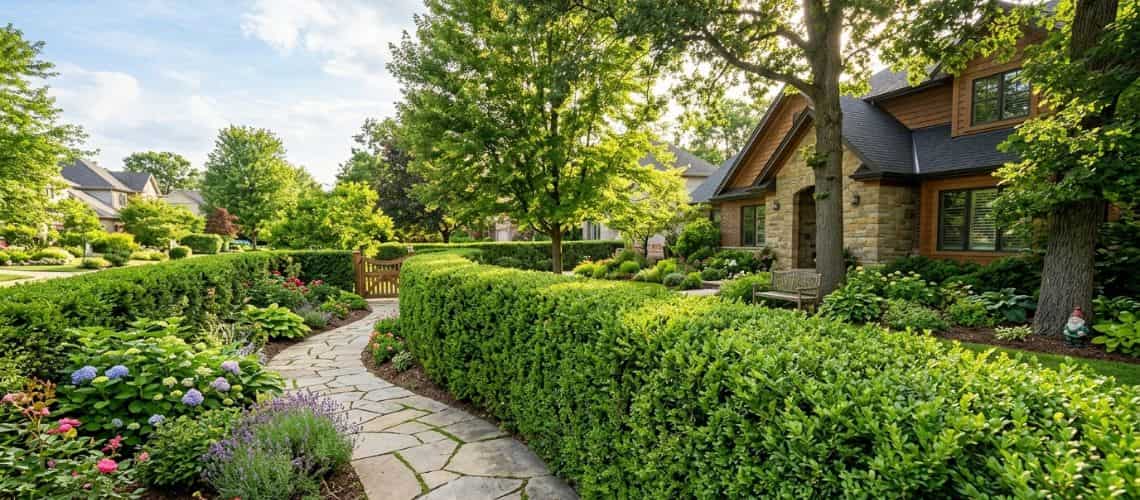
- Garden fences enhance privacy, structure, and curb appeal.
- Trellis fences support climbing plants with light screening.
- Living fences offer natural privacy but need maintenance.
- Wattle fences are best for decorative boundaries.
- Material choice affects durability and upkeep.
WHAT'S IN THIS GUIDE
Garden fences do more than mark property lines. The right garden fencing can add privacy, support climbing plants, define outdoor areas, and improve curb appeal while shaping how your yard functions year-round.
Most garden fence ideas for green spaces fall into three categories: trellis fences for vertical plant support, living fences for natural privacy, and wattle fences for rustic style. The best choice depends on your yard conditions, privacy goals, and how much maintenance you want to take on.
Here are seven practical options, plus tips to help you choose the right fit.
7 Practical Garden Fence Ideas
1. Vertical Trellis Fence Panels
A vertical trellis fence uses structured panels with open latticework to support climbing plants. It's a strong choice for homeowners who want definition and greenery without making the yard feel boxed in.
Why it works
Trellis fencing makes use of vertical space, supports vines like roses and clematis, and allows airflow. Because it's partially open, it adds separation and style while keeping sightlines lighter than a solid privacy fence.
Ideal for
- Patio backdrops
- Side yard boundaries
- Garden room dividers
- Pool equipment screening
2. Lattice-Top Privacy Fence
A lattice-top privacy fence combines a solid lower section with a decorative lattice upper section. It's a practical way to get privacy where you need it most while keeping the fence from feeling too tall or heavy.
Why it works
The solid bottom blocks direct sightlines at eye level, while the lattice top lets light and air through. The result is a fence that feels more open than a full privacy wall but still provides real screening.
Ideal for
- Backyards close to neighboring homes
- Outdoor dining areas
- Hot tub enclosures
3. Arched Garden Trellis Fence
An arched trellis fence features trellis panels topped with a gentle curve, adding architectural interest and a softer profile than straight fence lines.
Why it works
The arched top creates a focal point and makes garden transitions feel intentional. When paired with flowering vines, it adds height and charm without overwhelming smaller spaces.
Ideal for
- Garden entryways
- Transitions between lawn and planting beds
- Cottage-style landscapes
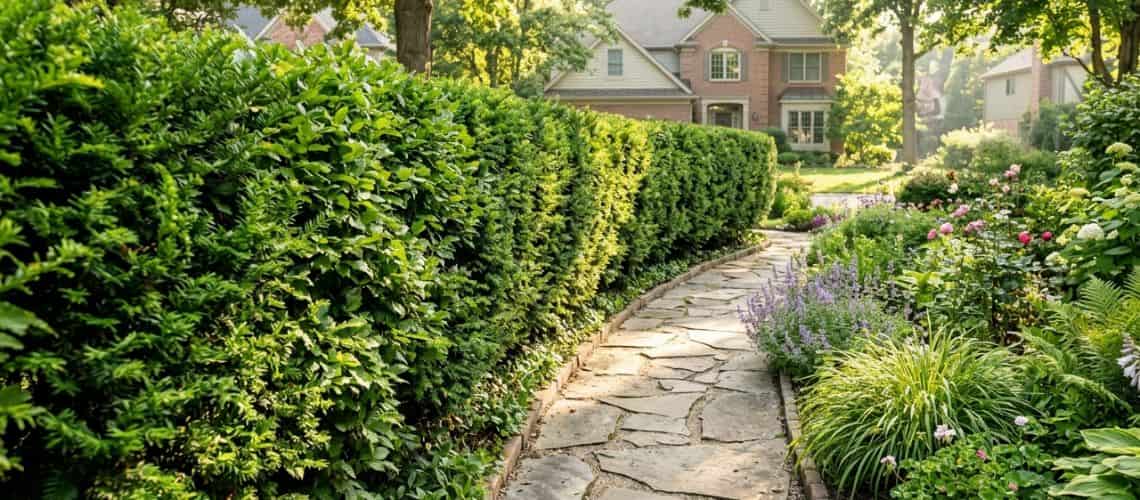
4. Living Fence or Hedge Fence
A living fence is formed by planting shrubs or trees in a dense row to create a natural boundary. It's one of the best garden fence ideas for homeowners who want privacy that looks and feels green.
Why it works
Once mature, a hedge fence can provide excellent privacy, reduce noise, and support pollinators. It also blends naturally into the landscape and adds seasonal texture.
Ideal for
- Backyard privacy with a natural look
- Wind buffering along open edges
- Softening property lines without hard materials
5. Mixed Living Fence with Structural Backing
This approach combines a standard fence (wood or vinyl) with greenery, such as climbing vines or shrubs, for a layered privacy and design effect.
Why it works
You get immediate screening from the fence, then added softness and natural coverage as plants grow. It's a smart option when you want both structure now and a greener look over time.
Ideal for
- Fast privacy plus long-term landscaping impact
- Backyards that need a cleaner boundary line
- Homes where greenery is the main design goal
6. Traditional Wattle Fence
A wattle fence is made by weaving thin branches, often willow or hazel, between upright stakes. It's a classic, rustic style that works especially well in garden-focused designs.
Why it works
Wattle fencing is eco-friendly, visually distinct, and blends seamlessly with planting beds. It's ideal when you want a boundary that feels handmade and natural.
Ideal for
- Raised bed borders
- Decorative garden edging
- Small garden enclosures
7. Modern Horizontal Slat Garden Fence
A horizontal slat fence uses boards installed side-to-side with small gaps. It's a popular contemporary garden fence style that can be adjusted for more or less privacy.
Why it works
Horizontal lines create a clean, modern look. With custom spacing, homeowners can control airflow and visibility while keeping the design simple and high-end.
Ideal for
- Contemporary homes
- Urban backyards
- Outdoor living areas
Material Options for Garden Fences
Choosing the right material is just as important as choosing the right fence style. Material affects durability, maintenance, appearance, and long-term cost. Climate conditions, especially in regions with moisture and freeze-thaw cycles, should guide your decision.
Wood
Wood remains one of the most popular garden fence materials because of its natural appearance and versatility. Cedar and redwood are naturally resistant to rot and insects, while pressure-treated lumber offers a more budget-friendly option. Wood can be painted or stained to match your landscape design. However, it requires periodic sealing or staining to protect against moisture and weather damage.
Vinyl
Vinyl fencing is a low-maintenance alternative to wood. It resists rot, insects, and moisture without needing paint or sealant. Vinyl works well for privacy fences and lattice designs where durability is a priority. While the upfront cost can be higher, long-term maintenance costs are typically lower.
Metal
Metal fencing, including aluminum and steel, offers strength and longevity. It is commonly used for decorative garden borders or to complement modern designs. Powder-coated finishes help prevent rust and corrosion. Metal fencing generally requires less upkeep than wood but may not provide full privacy without added panels or plant coverage.
Natural Plantings
Living materials such as shrubs and trees function as organic fencing. They provide privacy, reduce noise, and support local ecosystems. Unlike traditional materials, plant-based fences require ongoing trimming and seasonal care. The benefit is a softer, greener boundary that evolves over time.
What to Consider Before Choosing a Garden Fence
Before selecting a design, clarify your priorities. A fence should solve a specific problem, not just fill space.
Define the Purpose
Are you looking for privacy from neighbors? Support for climbing plants? A decorative border for raised beds? Pet containment? Each goal requires a different fence structure and height.
A solid-backed or living fence offers privacy. A trellis fence supports vines. A low wattle fence defines garden beds without blocking views.
Assess Climate and Soil Conditions
Connecticut homeowners face freeze-thaw cycles, moisture exposure, and seasonal storms. Wood fences should be built from rot-resistant species like cedar or properly treated lumber. Living fences require plant varieties suited to local hardiness zones.
Also evaluate soil drainage. Poor drainage affects both fence posts and plant roots.
Evaluate Maintenance Commitment
Some fences require occasional sealing. Others need seasonal pruning. Living fences demand the most attention during early growth years. Vinyl fencing requires the least upkeep but offers a different aesthetic.
Be realistic about long-term care.
Review Local Regulations
Many municipalities and homeowner associations have height limits, setback requirements, and permit rules. Confirm property lines before installation to prevent disputes.

How to Choose the Right Garden Fence for Your Yard
Step 1: Define Your Primary Goal
Start by identifying your main objective. Privacy, plant support, visual appeal, or pet containment each require different materials and heights.
Step 2: Evaluate Yard Conditions
Observe sunlight patterns, soil drainage, and wind exposure. Living fences need adequate sunlight. Solid fences should be reinforced in windy areas.
Step 3: Determine Maintenance Expectations
If you prefer low maintenance, vinyl or sealed cedar may be ideal. If you enjoy gardening, a living fence can become part of your landscape routine.
Step 4: Compare Budget and Longevity
Wattle fences are budget-friendly but temporary. Cedar offers durability with moderate upkeep. Vinyl requires a higher initial investment but minimal long-term care.
Step 5: Confirm Codes and Property Lines
Check local zoning regulations before installation. Confirm fence height limits and required setbacks. Always mark property lines accurately.
➤ RELATED POST: 14 Types of Fences and How to Choose the Best One For Your Home
Comparing Trellis, Living, and Wattle Fences
Each garden fence style serves a different purpose. Trellis fences prioritize plant support and light screening. Living fences focus on natural privacy and environmental benefits. Wattle fences emphasize rustic character and decorative boundaries. The right choice depends on how you want your yard to function, how much maintenance you are willing to manage, and the overall look you want to achieve.
Feature | Trellis Fence | Living Fence | Wattle Fence |
Primary purpose | Plant support + light screening | Natural privacy + green boundary | Decorative border + rustic definition |
Privacy level | Moderate | High (once mature) | Low to moderate |
Time to results | Immediate | Slow (needs growth time) | Immediate |
Plant support | Excellent (climbers/vines) | Not a trellis, but can act as a windbreak | Limited (not designed for heavy vines) |
Maintenance needs | Moderate (check fasteners, occasional sealing) | High (watering early on, regular pruning) | Moderate (repairs/reweaving, weather wear) |
Durability/lifespan | High with quality materials and upkeep | Long-term if plants are healthy | Shorter lifespan (weather-dependent) |
Best for | Patios, side yards, garden dividers | Backyard privacy, noise buffering, natural look | Cottage gardens, raised beds, edging |
Visual style | Structured, versatile | Lush, natural | Rustic, handmade |
Eco impact | Medium (depends on materials) | High (habitat, air quality, cooling) | High (often natural/local branches) |
Budget (general) | Medium | Medium (plus plant costs over time) | Low to medium |
Trellis Fence
| Primary purpose | Plant support + light screening |
| Privacy level | Moderate |
| Time to results | Immediate |
| Plant support | Excellent for climbers/vines |
| Maintenance | Moderate |
| Durability | High with upkeep |
| Best for | Patios, side yards, dividers |
| Visual style | Structured, versatile |
| Eco impact | Medium |
| Budget | Medium |
Living Fence
| Primary purpose | Natural privacy + green boundary |
| Privacy level | High (once mature) |
| Time to results | Slow (needs growth time) |
| Plant support | Not a trellis, but can act as a windbreak |
| Maintenance needs | High (watering early on, regular pruning) |
| Durability/lifespan | Long-term if plants are healthy |
| Best for | Backyard privacy, noise buffering, natural look |
| Visual style | Lush, natural |
| Eco impact | High (habitat, air quality, cooling) |
| Budget (general) | Medium (plus plant costs over time) |
Wattle Fence
| Primary purpose | Decorative border + rustic definition |
| Privacy level | Low to moderate |
| Time to results | Immediate |
| Plant support | Limited (not designed for heavy vines) |
| Maintenance needs | Moderate (repairs/reweaving, weather wear) |
| Durability/lifespan | Shorter lifespan (weather-dependent) |
| Best for | Cottage gardens, raised beds, edging |
| Visual style | Rustic, handmade |
| Eco impact | High (often natural/local branches) |
| Budget (general) | Low to medium |
**Fence performance, lifespan, and maintenance requirements vary based on materials used, installation quality, soil conditions, and local climate. Always evaluate site-specific factors and consult local building codes before installing any fence structure.
Frequently Asked Questions
What is the best garden fence for privacy?
Living fences and solid-backed wood fences provide the highest level of privacy. A lattice-top privacy fence offers a balance of screening and light.
Are living fences difficult to maintain?
They require consistent pruning, especially during early growth years. Once established, maintenance becomes more manageable.
How long does a wattle fence last?
Typically between five and ten years, depending on wood type and weather exposure.
Can trellis fences support heavy vines?
Yes, if built with reinforced framing and anchored securely. Heavier vines require sturdy posts and cross supports.
Do I need a permit for a garden fence in Connecticut?
Permit requirements vary by town and fence height. Always verify local zoning regulations before installation.
Upgrade Your Garden with a Fence Designed to Last
The right garden fence improves privacy, structure, and long-term value for homeowners in Litchfield County. Trellis systems support vertical growth. Living fences provide natural screening. Wattle designs add rustic charm. Modern horizontal fencing delivers contemporary appeal.
If you want professional guidance on selecting and installing a fence that fits your property and local regulations in Litchfield County, Connecticut Fence & Gate can help you plan a durable solution tailored to your outdoor space.