

What's In This Guide
- What Goes Into a Complete Fencing Supply List
- Why Getting the Full Supply List Right Matters for Your Property
- Common Mistakes That Send DIYers Back to the Supply Store
- Fencing Supplies by Material Type
- Cost, Timing, and Site Factors That Affect Your Supply List
- When to Call a Professional Instead of DIY
- Frequently Asked Questions
- Ready to Build Your Fence the Right Way the First Time?
Standing in the aisle at a supply yard with a tape measure and a half-finished plan is where a lot of fence projects stall out. Homeowners searching for fencing supplies near me usually already know the fence they want. What trips people up is the list underneath it: which posts, which fasteners, how much concrete, and what hardware actually belongs on a Litchfield County property built for New England winters.
Quick Facts
- Material choice drives the entire supply list. Wood, vinyl, chain link, aluminum, and composite fences each require different posts, fasteners, and hardware, so mixing up specs between materials is a common and costly mistake.
- Concrete needs curing time before posts bear weight. Standard concrete mixes often need 24 to 48 hours before load is applied, and full strength takes longer, which affects your installation timeline.
- Frost heave is a real risk if post depth is shortchanged. Connecticut's freeze-thaw cycles put pressure on shallow footings, so post depth and concrete volume both need to account for local frost conditions.
- Utility marking is a legal step. Connecticut law requires contacting Call Before You Dig through 811 before excavation, including fence post holes, and skipping it risks damaged lines and fines.
- Gate hardware is where DIY supply lists fall apart most often. Hinges, latches, and post reinforcement for gates carry different load requirements than line posts, and underspecifying them leads to sagging or failing gates within a season.
What Goes Into a Complete Fencing Supply List

A complete fence material checklist includes posts and rails, fence panels, fasteners, concrete or a footing alternative, gate hardware, post caps, and layout tools such as string line, stakes, and a post level. The exact items shift depending on whether you are building wood, vinyl, chain link, aluminum, or composite fencing.
Most supply gaps happen at the connection points: how the post meets the rail, how the gate meets the post, and how the fabric or panel meets the ground. Getting the main components right but skipping the hardware that ties them together is the most common reason a DIY fence needs rework within the first year.
Why Getting the Full Supply List Right Matters for Your Property
A fence built with the wrong or incomplete supplies does not fail immediately. It fails slowly, through leaning posts, sagging gates, and fasteners that corrode faster than the fence itself. In Connecticut, that slow failure gets accelerated by winter.
Freeze-thaw cycles put real stress on anything set in the ground. Posts that are undersized, under-set, or poured with too little concrete are the ones that lean or fail prematurely by the following spring. A supply list built around the property's actual soil, terrain, and climate demands is what prevents that outcome.
Getting the list right also protects the budget. Underbuying fasteners, concrete, or hardware means a second trip to the supply yard, a stalled project over a weekend, or a rushed substitution that does not match the rest of the build.
Common Mistakes That Send DIYers Back to the Supply Store
These are the gaps that show up most often once a project is already underway.
- Buying panels or fabric before confirming post spacing. Post centers determine panel width and fabric tension, not the other way around.
- Underestimating concrete volume. A shallow, narrow pour looks fine on day one and heaves by the following winter.
- Treating gate hardware as an afterthought. Because gates endure significantly more stress than standard fence sections, using insufficient hinges or latches is the most common reason for premature sagging or failure.
- Skipping post caps and end caps. These protect posts from water intrusion at the top, which is a common entry point for rot and rust.
- Forgetting layout tools. A string line, stakes, a line level, and a post level are what keep an entire fence run straight, especially across sloped Litchfield County lots.
Fencing Supplies by Material Type

Each fence material has its own supply profile. Cross-shopping between them is where budgets and timelines go sideways.
Wood Fence Supplies
Wood fencing requires the widest range of supplies because most components are cut and assembled on site.
- Posts, including pressure-treated pine, cedar, or other rot-resistant species
- Rails, including top, middle, and bottom, depending on style
- Pickets or fence panels
- Post caps
- Galvanized or stainless fasteners, such as nails or screws rated for exterior and ground-contact use
- Concrete or fast-setting post mix
- Gravel for footing drainage
- Gate hardware: hinges, latch, and a gate frame kit or bracing hardware
Species selection matters here more than most DIYers expect. Ground-level rot is where most wood posts fail first, because moisture, oxygen, and organic material create conditions for fungal decay. Naturally resistant species like cedar and black locust perform better in ground contact, though performance still varies by heartwood content.
Vinyl Fence Supplies
Vinyl systems come mostly pre-assembled, which shortens the supply list but tightens the tolerances.
- Vinyl posts, which often require internal aluminum or steel reinforcement inserts
- Pre-built panel sections
- Post caps
- Rail brackets or channel inserts
- Concrete for post setting
- Gate hardware kit matched to the vinyl gate frame
Vinyl posts installed without the required internal reinforcement insert are more prone to bowing under wind load, which is worth confirming before purchase rather than after installation.
Chain Link Fence Supplies
Chain link has the most standardized supply list of any fence type, largely because the industry works from consistent manufacturing specifications.
- Terminal posts, which function as corner, end, and gate supports.
- Line posts
- Top rail
- Chain link fabric
- Tension bands, tension bars, and rail end caps
- Tie wires or hog rings
- Bottom tension wire
- Concrete
- Gate frame, hinges, and a latch rated for the gate type and use
Many chain link fabric and framework specifications follow ASTM standards, including zinc coating requirements for chain link fabric. Matching fabric gauge and post diameter to these specifications is part of what separates a residential-grade install from a commercial one.
Aluminum Fence Supplies
Aluminum fencing is popular for low-maintenance perimeter and pool applications, and its supply list reflects a bolted, modular system rather than a welded one.
- Aluminum posts
- Pre-assembled panel sections
- Post caps
- Bracket or bolt kits for panel-to-post connections
- Concrete
- Self-closing, self-latching gate hardware where pool code applies
Composite Fence Supplies
Composite fencing blends wood-like appearance with lower maintenance needs, and its supply list sits between wood and vinyl.
- Composite or capped-composite posts, which often include internal reinforcement
- Composite rails and pickets or panel sections
- Post caps
- Manufacturer-specified fasteners, since using mismatched fasteners can void product warranties
- Concrete
- Gate hardware rated for the panel weight, which runs heavier than wood in some composite lines
READ MORE: Fence Lifespan by Material and Maintenance Tips
Cost, Timing, and Site Factors That Affect Your Supply List
Supply costs vary based on fence material, linear footage, post depth requirements, terrain, number of gates, and site accessibility. A flat, clear lot needs a different supply quantity than a sloped or rocky one, and material grade changes the total noticeably.
Before finalizing a supply list, it also helps to confirm two things specific to Connecticut sites. First, Connecticut law requires contacting Call Before You Dig through 811 before excavation, with at least two full business days' notice. Second, post depth should account for regional frost conditions rather than a generic national average, since shallow footings are a leading cause of post heave in this climate.
Because these factors shift from property to property, a fixed price per post or per linear foot is rarely accurate. Trusted providers like Connecticut Fence & Gate build supply and material estimates around the specific site, material choice, and scope of the project rather than a generic number.
When to Call a Professional Instead of DIY
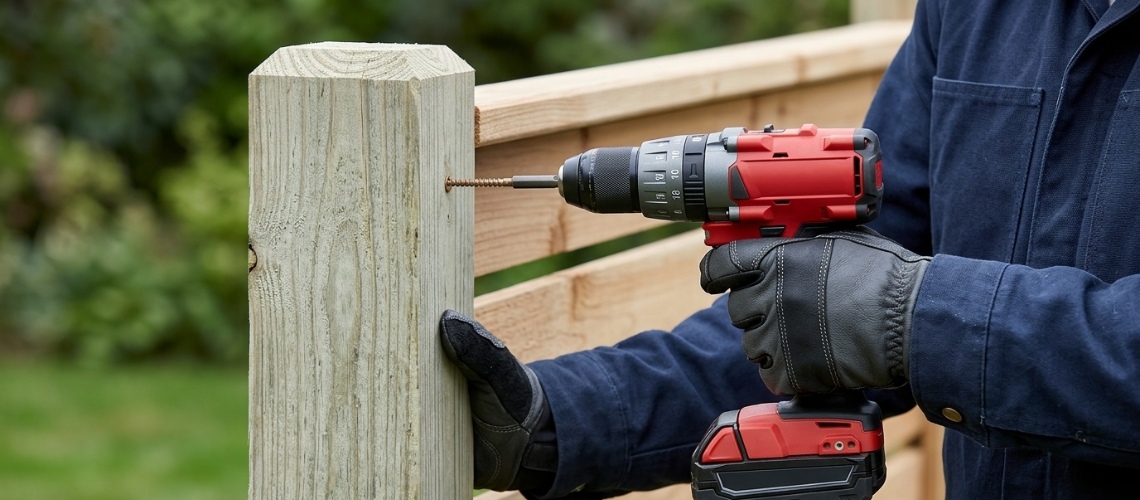
A supply checklist gets a homeowner through the shopping list, but some parts of a fence project are better handed to a qualified fence contractor. Gate systems with automatic operators, pool enclosures that need to meet current local barrier requirements, commercial-grade chain link, and any site with significant slope or ledge rock all benefit from professional site assessment before materials are purchased.
A qualified fence contractor can also confirm permit requirements, since many Connecticut municipalities require a zoning or building permit before installation, and ensure all local legal requirements, including utility marking, are handled correctly before breaking ground.
Frequently Asked Questions
What supplies do I need to build a basic wood fence?
A basic wood fence needs posts, rails, pickets, post caps, exterior-rated fasteners, concrete or a fast-setting post mix, gravel for footing drainage, and gate hardware if the project includes an entry point. Species selection affects long-term durability, since some woods resist ground-contact decay better than others.
How much concrete do I need per fence post?
Concrete volume depends on post size, hole diameter, and post depth, which varies by soil conditions and frost requirements. A hole roughly three times the post's width, with enough depth to account for local frost conditions, is the general guideline, though exact volume should be confirmed for the specific post and site.
Do I need a permit before buying fencing supplies in Connecticut?
Permit requirements vary by municipality, and many Connecticut towns require a zoning or building permit for permanent fence installations. Confirming permit requirements with a local contractor helps avoid buying supplies for a layout or height that later needs revision.
What is the difference between residential and commercial-grade chain link supplies?
Commercial-grade chain link generally uses heavier gauge fabric and larger diameter posts than residential-grade material, built to withstand higher traffic and impact. Confirming gauge and post specifications before purchasing prevents mismatched components between fabric, framework, and gate hardware.
Can I use the same fasteners and hardware across different fence materials?
No. Wood, vinyl, aluminum, and composite fencing each use fasteners and brackets matched to that specific material's weight, expansion behavior, and manufacturer specifications. Mismatched fasteners can cause premature wear, staining, or void product warranties on manufactured panel systems.
Ready to Build Your Fence the Right Way the First Time?
Connecticut Fence & Gate has installed wood, vinyl, chain link, aluminum, and composite fencing across Litchfield County and the surrounding region for more than 20 years, working from site-specific material specifications rather than generic supply assumptions.
If your project needs a professional supply plan instead of a guessing game, reach out to request an estimate.