
Quick Facts
- Define the gate's purpose first to guide decisions on design, access, and functionality.
- Choose durable materials that can withstand Connecticut's moisture, snow, and temperature changes.
- Plan automation early so the gate design supports power, safety features, and daily convenience.
- Align the gate with your home's style, privacy needs, and existing fence for a cohesive look.
- Work with an experienced local contractor to ensure proper installation and long-term performance.
What's In This Guide
Choosing a custom gate is not just a design decision. It is a long-term investment in security, property value, and day-to-day convenience. In Connecticut, that decision carries additional weight. Homeowners must account for freeze-thaw cycles, snow load, moisture exposure, and local zoning rules that can directly impact performance and compliance.
A well-designed gate should do three things at once. It should complement the home's architecture, withstand regional weather conditions, and function reliably for years with minimal maintenance. That balance is why many homeowners turn to a fence company that CT professionals trust for guidance on materials, layout, and installation.
Here's how to choose the right custom gate for your property, from materials and styles to automation and contractor selection.
Step-by-Step Guide to Choosing the Right Custom Gate

Step 1 – Define the Gate's Purpose
Start by identifying how the gate will be used, since function should shape every decision that follows. A homeowner looking into custom gate installation should think about access, security, and how often the gate will open and close.
- Driveway gates: These are designed for vehicle access and often prioritize security, width, and automation for easier daily use.
- Pedestrian gates: These focus more on convenience and simple entry, often with lighter hardware and basic locking systems.
- Decorative gates: These are usually chosen to enhance curb appeal and define an entrance, though they may offer less privacy or protection.
Step 2 – Choose the Right Gate Style
The layout of your property will help determine which gate style makes the most sense. A trusted fence company in CT can also recommend styles based on space, slope, and traffic flow.
- Swing gates: These are a common option and work best on flat surfaces with enough room for the gate to open fully.
- Sliding gates: These are often better for homes with limited space or sloped driveways where a swing gate may not operate well.
- Single or double gates: The right choice depends on the width of the opening and how much daily traffic the gate needs to handle.
Step 3 – Select Materials That Withstand CT Weather
Material selection is one of the most important parts of choosing a gate because Connecticut's weather can be hard on outdoor structures. The best option should balance appearance, maintenance needs, and long-term durability.
- Wood: Wood offers a natural and classic look with strong design flexibility, but it requires sealing or staining to help prevent rot and warping.
- Steel: Steel provides high strength and security, though it needs a proper protective coating to reduce the risk of rust.
- Aluminum: Aluminum is lightweight, rust-resistant, and low-maintenance, which makes it a practical choice for many residential properties.
Step 4 – Consider Automation and Access Features
Automation has become a practical feature for many residential gates, especially for driveways used every day. Planning for these features early helps ensure the gate design can support the right equipment and access setup.
- Remote controls and keypads: These offer a simple way to manage access while improving convenience for household members and guests.
- Smartphone integration: This allows homeowners to open and monitor the gate remotely, which can be useful for deliveries or visitors.
- Intercom or video entry systems: These add another layer of security by allowing homeowners to verify who is entering the property.
➤ RELATED ARTICLE: Automatic Gate Installers Explained: Costs, Benefits, and What to Expect
Step 5 – Evaluate Security and Privacy Needs
Not every gate is designed to provide the same level of protection, so it is important to think about the property's location and exposure. The right design should support your privacy goals without making daily use inconvenient.
- Open designs: These allow visibility and can feel more welcoming, but they provide less privacy from the street or neighboring properties.
- Solid panels: These create more privacy and help block sightlines, which can be useful for homes near busy roads.
- Taller gates: Increased height can improve security by making the property feel more protected and harder to access.
Step 6 – Align the Gate with Your Existing Fence and Landscape
A custom gate should look like a natural part of the property rather than a separate feature added later. A well-matched design can strengthen curb appeal and create a more polished entrance.
- Match materials and finishes: Using similar materials and finishes helps the gate connect visually with the existing fence.
- Coordinate colors: Choosing colors that fit the home's exterior creates a cleaner and more cohesive overall look.
- Consider the entry view: The gate should frame the driveway or walkway in a way that feels balanced and intentional.
Customization Options to Personalize Your Gate
Decorative Metalwork or Laser-Cut Panels
Decorative metalwork and laser-cut panels can give a gate a more distinctive look, whether you prefer something classic or more modern. These details can add visual interest without taking away from the gate's structural strength.
Custom Stains or Powder-Coated Finishes
A custom stain can bring out the natural character of wood, while powder-coated finishes help protect metal surfaces from wear and weather exposure. Choosing the right finish also helps the gate coordinate with the home's exterior and existing fence.
Unique Hardware Such as Handles and Hinges
Hardware plays both a functional and visual role in a custom gate. Well-chosen handles, hinges, and latches can strengthen the design while supporting smooth and reliable operation.
Monograms or Design Accents
Monograms and decorative accents can add a personal touch that makes the gate feel custom rather than off-the-shelf. These details work best when they complement the property's style instead of overwhelming it.
Privacy Panels or Decorative Inserts
Privacy panels or decorative inserts can help homeowners adjust how open or enclosed the gate feels without changing the overall structure. This option adds flexibility to the design while improving privacy and helping the gate better match the property's style.
How to Choose the Right Fence Company in CT
Look for Local Experience and Reputation
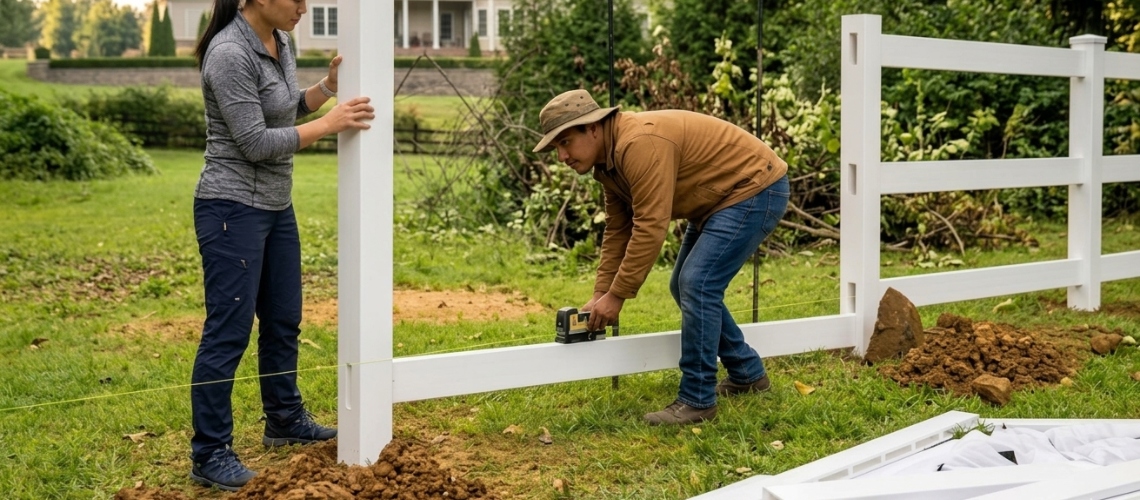
A contractor with local experience understands the challenges of Connecticut's climate and terrain. They are also more likely to be familiar with regional design preferences and regulations.
Verify Licensing and Insurance
Proper licensing and insurance help protect both the homeowner and the contractor while showing that the company meets professional requirements. Homeowners in Connecticut can also use the state's eLicense portal to verify licenses, registrations, permits, and certifications, which adds another layer of confidence before hiring a contractor.
Review the Company's Portfolio of Custom Work
Reviewing past projects provides insight into a company's capabilities. Look for examples that match your desired style and property type.
Ask About Installation Quality and Warranties
Even the best materials can fail if the custom gate installation is poor. Proper alignment, secure hardware, and reliable automation systems are critical. Warranties and maintenance support add long-term value.
Common Mistakes to Avoid When Choosing a Custom Gate
Choosing Materials Based Only on Appearance
A gate that looks good may not hold up against Connecticut's moisture, snow, and temperature changes. Durable material selection is essential for long-term performance, not just visual appeal.
Adding Automation as an Afterthought
Automation should be planned early since it affects the gate's structure, power access, and safety features. Delaying this decision can limit design options and increase costs.
Ignoring Drainage or Snow Clearance Needs
Poor drainage and heavy snow can interfere with how a gate opens and closes, especially in Connecticut, where winter storms can bring significant accumulation. With parts of the state, including the northwest corner, sometimes seeing well over a foot of snow, proper ground clearance and site planning are important for preventing blocked movement and added strain on gate components.
Selecting a Design That Does Not Match the Home
A custom gate should align with the home's architecture and existing fence for a cohesive look. A mismatched design can reduce curb appeal rather than enhance it.
Hiring Contractors Without Relevant Experience
Choosing a contractor without experience in custom gate installation can lead to alignment issues and premature wear. Working with a knowledgeable fence company in CT helps ensure proper installation and long-term reliability.
Frequently Asked Questions
How much does a custom gate cost in CT?
Costs vary widely depending on size, material, design complexity, and automation features. Basic gates may start in the lower thousands, while fully customized automated systems can cost significantly more.
How long does a custom gate installation take?
The timeline typically includes design, fabrication, and installation. Projects can take several weeks, depending on complexity.
Are automatic gates worth it for residential properties?
Yes. They improve convenience, enhance security, and can increase property value, especially for frequently used driveways.
Do custom gates require maintenance?
Yes, all gates require some level of maintenance depending on the material and exposure to weather. Regular inspections, cleaning, and occasional hardware adjustments help extend the gate's lifespan and keep it functioning properly.
Can a custom gate be installed on a sloped driveway?
Yes, custom gates can be designed to work with sloped or uneven terrain. Options like sliding gates or specially engineered swing gates help ensure smooth operation despite elevation changes.
Work with a Local Expert to Design the Right Custom Gate
Choosing the right gate involves more than selecting a design. It requires careful planning, knowledge of local conditions, and attention to long-term performance. Working with an experienced contractor ensures that every detail, from material selection to custom gate installation, is handled correctly.
For homeowners in Litchfield County, partnering with a trusted local provider like Connecticut Fence & Gate can help simplify the process and deliver a custom solution built for both style and durability.
Contact Connecticut Fence & Gate to get started on your custom gate project.