
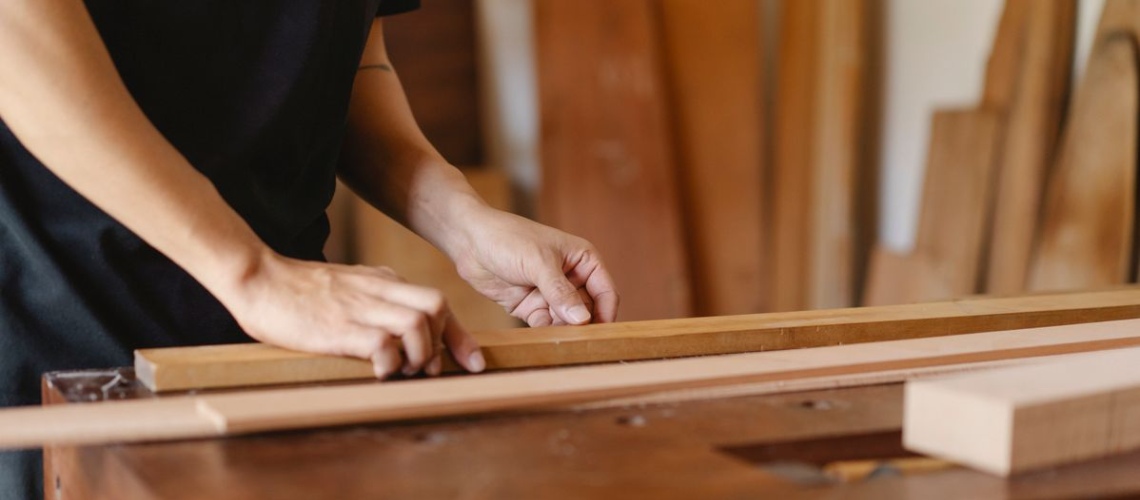
Buying a fence in Connecticut comes down to three main things: material, style, and cost. The right choice depends on what you need the fence to do, how much maintenance you want to handle, and how well the material can hold up to Connecticut weather.
In most cases, installed fencing costs range from about $15 to $50 per foot, with wood, vinyl, aluminum, and composite all offering different benefits and price points.
What's In This Guide
- What Connecticut Homeowners Should Consider Before Buying a Fence
- 5 Fence Materials Explained: Pros, Cons, and Best Uses
- 3 Fence Styles and Their Best Uses
- Fence Cost Breakdown for CT Homeowners
- How To Choose the Right Fence for Your Connecticut Home
- Common Mistakes Homeowners Make When Buying a Fence
- Frequently Asked Questions (FAQs)
- Get Expert Help Choosing the Right Fence for Your Property
Quick Facts
- Fence cost depends on material, height, and site conditions.
- Each material offers different benefits and requires different levels of upkeep.
- The right style depends on your property goals.
- Connecticut weather makes durability and installation important.
- The best fence should match your needs and budget.
What Connecticut Homeowners Should Consider Before Buying a Fence
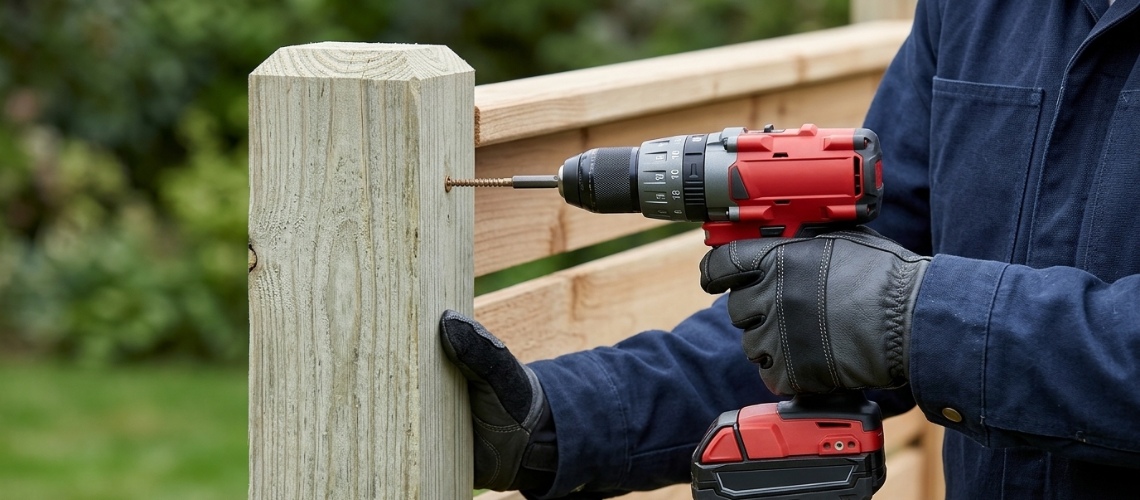
Before choosing materials or styles, homeowners should start with the purpose of the fence. The intended function determines the height, design, and durability requirements of your garden fencing.
Define the Primary Purpose
Most residential fences fall into one or more of these categories:
- Privacy fencing to block visibility from neighbors or nearby streets
- Safety fencing for children or pets
- Pool fencing that meets safety requirements
- Decorative fencing for curb appeal
- Boundary fencing to mark property lines
- Security fencing to restrict access
Consider Connecticut's Climate
Connecticut's changing weather patterns can affect how well a fence holds up over time. Strong storms, heavy rain, and coastal conditions all influence material durability and installation choices.
More frequent weather events
From 2010 to 2019, Connecticut had nine federal disaster declarations for weather events, compared with 13 in the previous 56 years combined. These included hurricanes, winter storms, and flooding. Fences should be built to handle stronger storms and wind.
Heavier rainfall
Heavy rain events have increased across several counties. In 2018, statewide precipitation was 37% higher than the 20th-century average, and summer rainfall rose by 10–20% from 1950 to 2013. As a result, buildings and materials are now exposed to more moisture than in previous decades, making moisture-resistant materials and proper post-installation care essential for long-term durability.
Coastal flooding and sea level rise
Sea level has risen 8–9 inches globally since 1880, contributing to more coastal flooding in areas like New London and Bridgeport. Coastal homes may benefit from corrosion-resistant materials.
Evaluate Maintenance Expectations
Different fence materials require different levels of upkeep.
- Some homeowners prefer low-maintenance materials that only require occasional cleaning.
- Others prioritize natural appearance, even if it requires staining or sealing over time.
Maintenance tolerance often determines whether wood, vinyl, aluminum, or composite materials make the most sense.
➤ EXPLORE OUR FENCING SERVICES
5 Fence Materials Explained: Pros, Cons, and Best Uses
Material choice determines durability, maintenance, appearance, and cost. The following types of fences are among the most common for Connecticut residential fencing.
1. Wood Fencing
Wood remains one of the most recognizable fencing materials in residential neighborhoods. Cedar is commonly used for wooden fences because it naturally resists insects and decay better than many other woods.
Best For
- Privacy fences
- Traditional aesthetics
- Custom designs
Advantages
- Natural appearance that blends well with landscaping
- Flexible design options such as board-on-board or lattice tops
- Ability to stain or paint in different colors
Considerations
- Requires periodic sealing, staining, or painting
- Vulnerable to moisture exposure and rot if untreated
- Lifespan depends heavily on maintenance and wood type
2. Vinyl Fencing
Vinyl has grown in popularity because it offers durability with minimal maintenance. Many plastics can become more brittle in cold conditions due to reduced molecular mobility. This is why installation quality and product grade matter for vinyl fencing in colder climates.
Best For
- Privacy fences
- Clean, modern appearance
- Homeowners who prefer low maintenance
Advantages
- Resistant to rot, insects, and moisture
- No painting or staining required
- Smooth surfaces that are easy to clean
Considerations
- Higher upfront cost compared with basic wood
- Lower flexibility during extreme impact in very cold temperatures
3. Aluminum Fencing
Aluminum fencing is widely used for decorative property boundaries and pool enclosures. Aluminum is particularly practical in areas where corrosion resistance matters, including properties near coastal environments.
Best For
- Front yard boundaries
- Pool safety fences
- Homes seeking a classic ornamental look
Advantages
- Strong resistance to rust and corrosion
- Minimal maintenance compared with steel or iron
- Lightweight but durable
Considerations
- Does not provide privacy
- Typically costs more than chain-link fencing
4. Chain-Link Fencing
Chain-link fencing prioritizes functionality and affordability. For homeowners focused primarily on practicality or budget, chain-link remains a reliable option.
Best For
- Pet containment
- Utility areas
- Large properties requiring economical fencing
Advantages
- Lower installation cost compared with many alternatives
- Durable galvanized steel construction
- Quick installation for large areas
Considerations
- Limited privacy
- Less decorative appearance than other fence types
5. Composite Fencing
Composite fencing blends wood fibers with recycled plastics to create a durable material that resembles natural wood but requires less upkeep.
Best For
- Homeowners seeking durability with minimal maintenance
- Modern or contemporary property designs
Advantages
- Resistant to rot, insects, and moisture
- Does not require staining or sealing like traditional wood
- Maintains a wood-like appearance with greater durability
Considerations
- Higher upfront cost than many traditional wood fences
- Fewer style options compared with wood in some designs
- Heavier material that may require professional installation for best results
3 Fence Styles and Their Best Uses
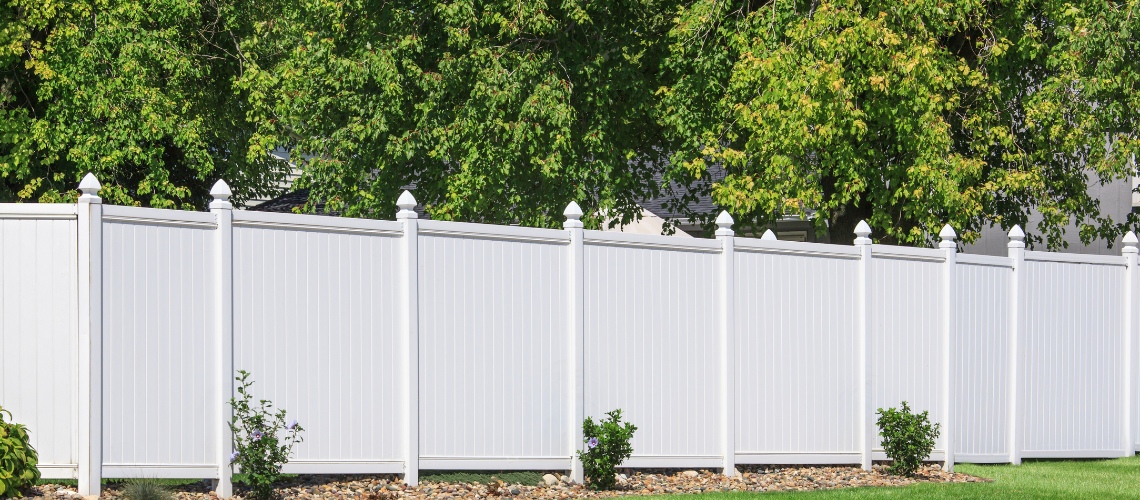
Fence style affects both how your fence looks and how well it works for your property. Some backyard fence styles are better for privacy, while others are better for marking boundaries, improving curb appeal, or keeping sightlines open.
1. Privacy Fences
Privacy fences use solid panels to block visibility from outside the yard. They are usually built in wood or vinyl and are one of the most common choices for backyards.
This style makes the most sense when the goal is to create a more secluded outdoor space or add separation from nearby neighbors.
2. Picket Fences
Picket fences are a classic style with evenly spaced vertical boards, usually at a shorter height.
They work well when homeowners want to define the edge of the property without closing off the yard completely. This style is often chosen more for appearance and boundary definition than for security or privacy.
3. Split-Rail Fences
Split-rail fences use horizontal rails and an open design. They are often seen on larger lots because they mark property lines without blocking the view.
This style makes sense when the goal is to create a simple, traditional boundary rather than a private enclosure.
➤ READ: Fence Design Ideas for 2026: Horizontal Lines, Materials & Colors
Fence Cost Breakdown for CT Homeowners
Fence pricing depends on several variables, including material, height, property conditions, and labor.
Typical Price Ranges by Material
Across Connecticut, installed fencing commonly ranges from $5 to more than $50 per linear foot, depending on the design and site conditions. On a national scale, here are common rates to take note of.
- Aluminum or metal fencing: about $30 to $50 per linear foot installed
- Bamboo fencing: around $20 per linear foot installed
- Wood fencing: roughly $5 to $20 per linear foot installed, depending on wood type and design
- Vinyl fencing: about $20 to $40 per linear foot installed
To ensure prices align with the average in Litchfield County, contact trusted contractors like Connecticut Fence & Gate.
Factors That Affect Fence Pricing
Several factors influence the final project cost:
- Fence height and style
- Total linear footage
- Number and size of gates
- Removal of existing fencing
- Terrain conditions such as slopes or rocky soil
- Labor and installation complexity
- Hardware and post-installation methods
How To Choose the Right Fence for Your Connecticut Home
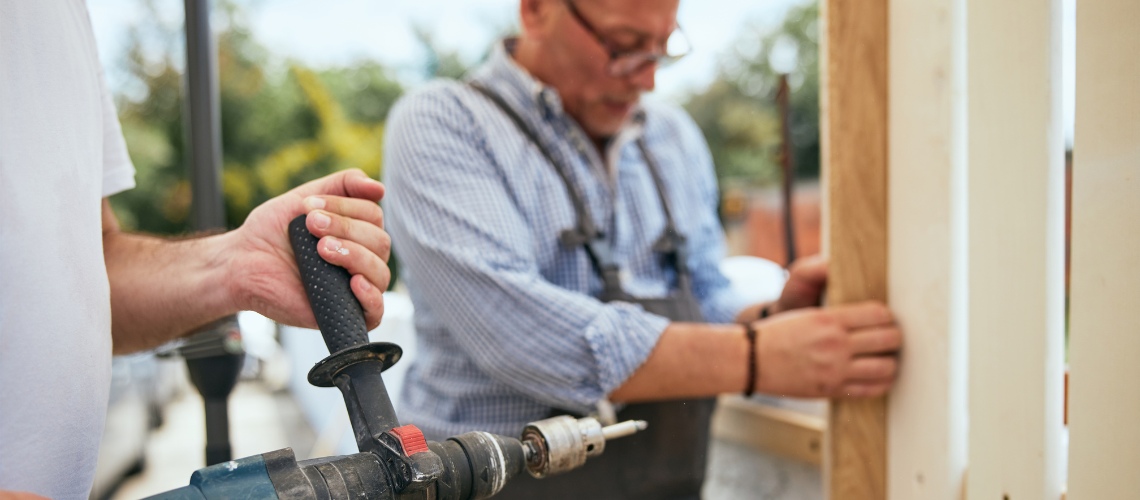
Selecting the right fence requires balancing function, durability, and cost. These steps can help homeowners narrow their options.
Step 1: Identify the Main Goal
Start by deciding what the fence must accomplish. Privacy, security, pet containment, and curb appeal require different materials and styles.
Step 2: Choose a Material That Matches Maintenance Preferences
Some homeowners prefer materials that require little upkeep, while others value natural appearance.
- Low maintenance: Vinyl or aluminum
- Natural appearance: Wood
- Budget option: Chain-link
Step 3: Evaluate Property Conditions
Site conditions influence both performance and installation cost.
Consider:
- Yard slope
- Drainage patterns
- Soil type
- Wind exposure
- Coastal moisture exposure
These conditions can determine post depth, installation method, and material durability.
Step 4: Establish a Realistic Budget
Using cost-per-foot estimates can help homeowners estimate project scope before requesting professional quotes.
Budget planning should also include gates, hardware, and site preparation.
Step 5: Verify Local Requirements
Before digging, homeowners should verify municipal zoning rules and property boundaries.
In Connecticut, excavation projects that use power equipment must contact the state's Call Before You Dig system at least two business days before excavation to locate underground utilities.
Step 6: Request a Site-Specific Estimate
A professional site visit allows installers to evaluate terrain, access points, and layout requirements that influence the final design.
Common Mistakes Homeowners Make When Buying a Fence
Many fencing projects encounter problems because homeowners overlook key planning steps.
Common mistakes include:
- Choosing materials based only on upfront cost
- Underestimating maintenance requirements
- Ignoring local regulations
- Forgetting to plan gate placement
- Misjudging property boundaries
- Overlooking terrain challenges
A few simple steps can help prevent these issues from turning into costly problems:
- Start with a clear goal for the fence
- Choose a material that fits your budget and upkeep preferences
- Check local rules before finalizing the design
- Confirm property lines before installation
- Plan gate placement around how the space will be used
- Factor in slope, drainage, and other yard conditions early
Frequently Asked Questions (FAQs)
How long does a residential fence usually last in Connecticut?
Fence lifespan depends on the material, installation quality, and maintenance. Wood fences may last many years with regular sealing or staining, while vinyl and aluminum often last longer with less upkeep. Weather exposure, drainage, and soil conditions also affect longevity.
Does a taller fence always cost more?
Usually, yes. Taller fences require more material, stronger support, and often more labor during installation. A 6-foot privacy fence will generally cost more than a shorter decorative fence made from the same material.
Which fence material is easiest to maintain?
Vinyl and aluminum are usually the easiest to maintain. They do not need painting or staining and generally only require occasional cleaning. Wood needs more routine care to protect against moisture and wear.
Can fence installation costs go up if my yard is sloped or uneven?
Yes. Sloped or uneven yards often require more layout work, adjusted panel installation, or additional labor to set posts correctly. This can increase both material and installation costs.
Is it better to repair an old fence or replace it?
That depends on the condition of the fence. Small issues like a loose post or damaged panel may be worth repairing. If the fence has widespread rot, corrosion, leaning sections, or repeated structural problems, replacement is often the better long-term investment.
Get Expert Help Choosing the Right Fence for Your Property
Working with experienced professionals in Litchfield County ensures your fence is designed and installed with Connecticut's conditions, regulations, and long-term performance in mind.
If you want professional guidance tailored to your property, Connecticut Fence & Gate can help you evaluate materials, compare fence styles, and determine the most practical solution for your needs.
Contact us today!