
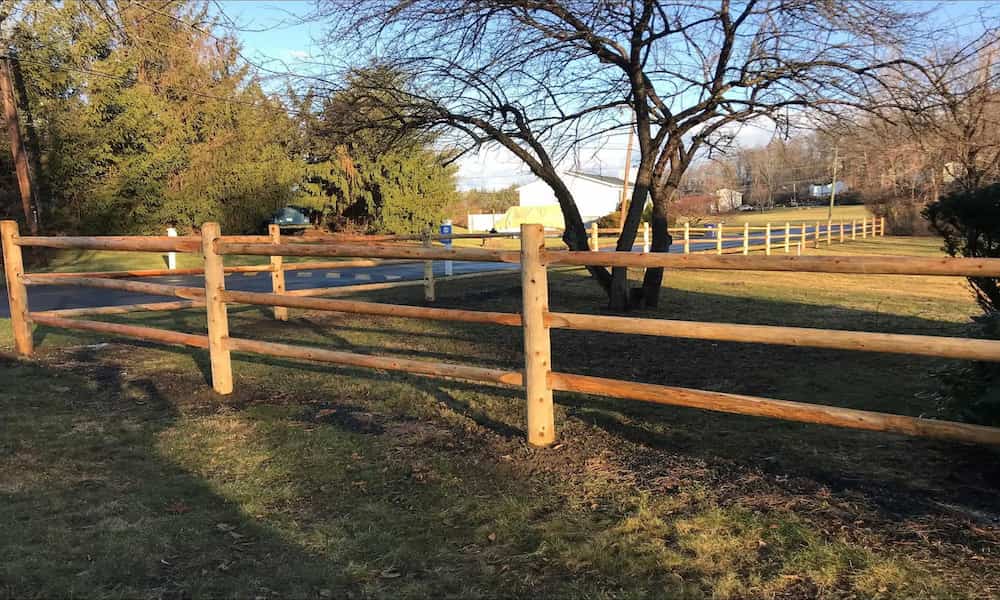
Eco-friendly fencing comes down to two things: choosing materials with a lower footprint and choosing a fence that will hold up long-term. That means looking beyond the label and considering the full life cycle of the fence, from sourcing and manufacturing to installation, maintenance, and eventual removal.
That is where options like bamboo, reclaimed wood, and sustainable composites stand out. Bamboo is a fast-growing, renewable grass, reclaimed wood cuts waste by reusing existing lumber, and composites blend recycled plastic with wood fibers for a durable, low-maintenance finish.
Each can create a long-lasting boundary with a smaller environmental impact than many traditional treated-wood builds.
Overview
Core Insights
- A fence that lasts longer typically has a lower environmental footprint than one that needs early replacement.
- In Litchfield County, good drainage, solid post setting, and proper ground clearance are often the biggest factors in fence lifespan.
- When it is responsibly sourced and thoroughly inspected, reclaimed wood can deliver major waste-reduction benefits with a natural look.
- Composite fencing can reduce long-term maintenance needs, but recycled-content claims should be supported by clear documentation.
- Bamboo can be a solid eco-friendly choice when it is exterior-rated, kept away from constant moisture, and maintained with a realistic sealing plan.
Bamboo Fencing
Bamboo is a fast-growing grass that appeals to homeowners who want a modern look and a renewable-material story. Bamboo can reach maturity in the 3 to 6 year range, depending on species and intended use.
It’s a great eco-friendly choice, but it is also the option where product quality and moisture control matter most.
Pros
- Rapid Renewability: Bamboo reaches usable maturity faster than most timber species. That can reduce reliance on slower-growing wood sources.
- Distinct Look: It creates a clean, contemporary privacy screen. It can also work as an accent fence.
- Lightweight Panels: Many bamboo fences come in panels or rolled sections. They can be easier to handle during installation.
Cons
- Moisture Sensitivity: Bamboo reacts to wet-dry cycles. Bamboo can absorb and release moisture, which may lead to swelling, shrinking, or cracking over time, especially outdoors.
- Treatment Quality Varies: Bamboo can be vulnerable to fungal deterioration. Preservation method matters, especially in wet climates.
- Upkeep May Be Ongoing: Many bamboo systems need periodic sealing. If you skip it, performance can drop.
Best For
- Modern Design Homes: Bamboo fits clean lines and contemporary landscaping.
- Yards With Good Drainage: Less standing water and splashback help bamboo last longer.
- Homeowners OK With Sealing: If you can follow a finish schedule, bamboo can stay stable and attractive.
What To Ask Before You Buy
- Exterior Rating: Ask if it is rated for wet, freezing climates. Also, ask what the warranty covers.
- Treatment and Finish: Ask how it is preserved, what sealer is required, and how often.
- Ground Clearance: Ask how the design keeps bamboo off the soil and snow buildup.
- Repair Plan: Ask if you can replace a single panel or section without tearing out the run.
Reclaimed Wood Fencing
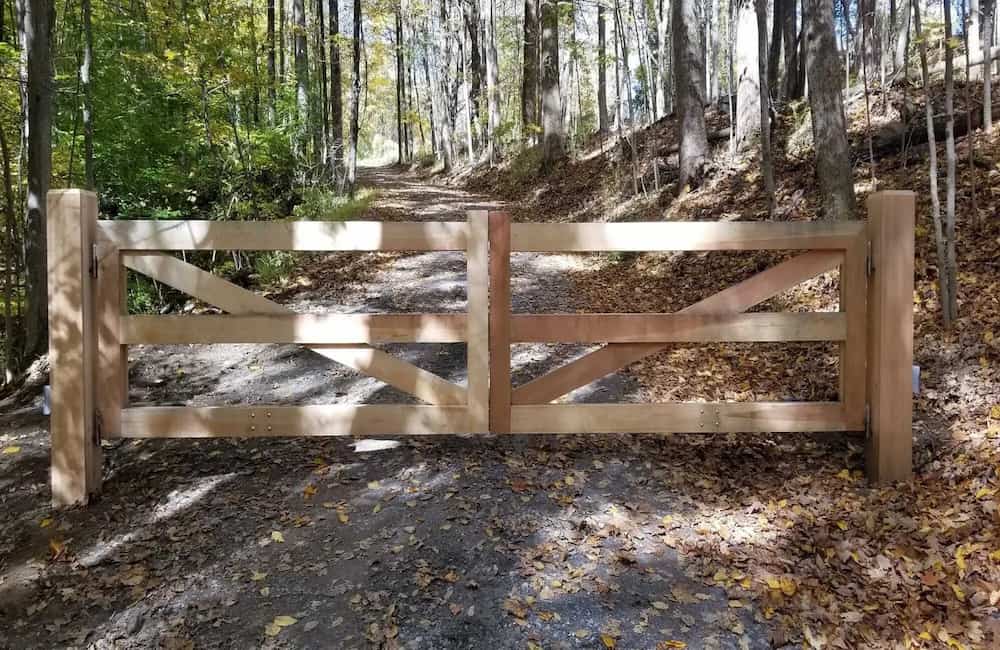
Reclaimed wood is salvaged lumber. It can come from barns, old buildings, or deconstructed structures. Environmentally, it is a strong option because it keeps wood in use longer. Reclaimed lumber can reduce landfill volume and reduce harvesting pressure on forests.
Pros
- High Waste-Reduction Value: You reuse lumber that might otherwise be discarded. That supports waste diversion and lowers demand for new wood.
- Unique Character: Patina and grain variation can look premium. It is hard to replicate with new boards.
- Repair Friendly in Some Designs: If built with replaceable pickets, repairs can be simple. You can swap individual boards.
Cons
- Inconsistent Boards: Thickness and width can vary. That can increase labor and cost.
- Supply Can Be Limited: If you need matching boards later, the source may be gone.
- Unknown Past Treatments: Older outdoor lumber may have legacy preservatives. Consumer guidance flags pre-2004 outdoor wood as a possible CCA-treated candidate. Unknown sources deserve caution during cutting and disposal.
Best For
- Homeowners Prioritizing Reuse: Reclaimed wood is a clear sustainability win when sourced responsibly.
- Traditional New England Properties: It fits classic home styles and rural settings.
- People Who Like Variation: If you want “perfectly uniform,” this may frustrate you.
What To Ask Before You Build
- Source and Screening: Ask where it came from and how it was checked for rot and insect damage.
- Hidden Hardware: Ask how nails and metal are handled. This affects safety and waste.
- Finish Plan: Ask what stain or sealer is recommended for Connecticut weather, as well as the maintenance interval.
- Legacy Treatment Risk: Ask how treated wood is identified and how cutting and disposal are handled.
Sustainable Composite Fencing
Composite fencing is usually wood-plastic composite. It blends wood fibers with polymer. Many products incorporate recycled plastics and wood-based fillers. This option often matches a key eco-friendly goal: less maintenance and long service life.
Pros
- Low Maintenance: Many composites do not require regular painting or staining. That can reduce solvent use and frequent refinishing.
- Recycled Content Potential: Some manufacturers publish recycled-content documentation. That helps separate real claims from vague “eco” language.
- Consistent Appearance: Boards are uniform. That can simplify installs and later repairs.
Cons
- Harder to Recycle Later: Mixed materials can limit end-of-life recycling options.
- Footprint Depends on Inputs: Resin type, recycled content, and manufacturing energy all affect impact.
- Can Feel Hotter in the Sun: Some composites warm up more than wood in direct sun. Color and exposure matter.
Best For
- Homeowners Who Want the Least Upkeep: Good fit if you do not want frequent refinishing.
- Long Property Lines: Great when you need consistent boards across a long run.
- Families and Busy Households: Works well when durability matters and time is limited.
How to Vet Sustainability Claims
- Look for Third-Party Verification: Some products have independent certifications or supporting documentation that confirm recycled content, which can help you separate verified claims from vague marketing.
- Ask What “Recycled” Means: Clarify post-consumer vs. pre-consumer content. Ask for documentation.
- Confirm Repairability: Ask how damaged sections are replaced and what voids the warranty.
Installation Choices That Make Any Fence Greener
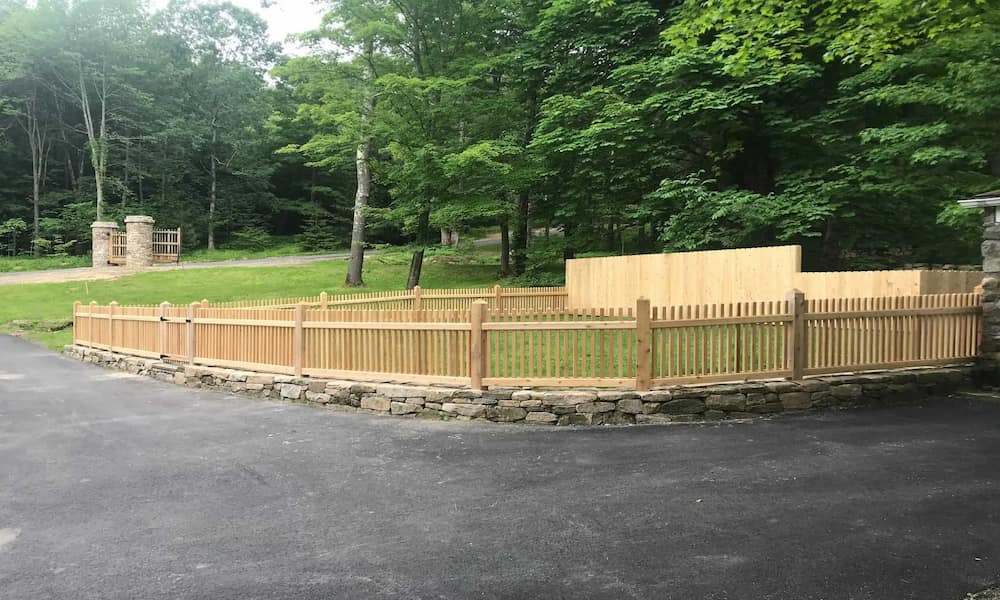
Even the best material can fail early if the fence is installed poorly. And once a fence fails, sustainability goes out the window. Early replacement means more lumber or composite, more concrete, more hauling, and more waste. The greener fence is the one that stays straight, stable, and repairable for years.
Drainage and Post Setting
Moisture is one of the biggest reasons fences rot, lean, or loosen over time. In Litchfield County, wet springs and freeze-thaw cycles make this even more important. If water sits around posts, it can speed up decay in wood systems and contribute to movement and heaving in winter.
Good drainage-focused installation typically means:
- Setting posts at an appropriate depth for local conditions
- Using proper base material and compaction so the post area does not stay waterlogged
- Avoiding low spots where runoff collects along the fence line
Ground Clearance
Fence boards and panels fail faster when they are constantly exposed to splashback, soil moisture, and snow buildup. When the bottom edge sits too close to the ground, it stays wet longer after rain or snowmelt. That can lead to faster rot in wood and can also cause staining, warping, or surface breakdown in other materials.
A smart approach is to leave enough space so:
- Water does not wick into the bottom edge
- Air can circulate and dry the fence faster
- Snow piles are less likely to sit against the fence for weeks
Better Hardware
Hardware is an easy place to cut corners, and it usually shows later. Cheap fasteners can corrode, loosen, and stain the fence. Hinges can sag, and gates can start dragging. When that happens, homeowners often replace sections that could have been avoided with better components up front.
Using corrosion-resistant hardware helps by:
- Reducing rust and staining
- Keeping rails, pickets, and gate frames tight and aligned
- Preventing premature failures that require rework or replacement
Build for Repairs
Sustainability is not just about what you install. It is about what you can fix. A repair-friendly fence reduces waste because you can replace what is damaged without tearing out long runs.
Look for designs that make repairs simple, such as:
- Replaceable pickets or boards instead of large, fused panels
- Accessible fasteners (so you can remove and swap pieces)
- Modular sections that allow partial repairs after storms or impacts
What To Look for in a Fencing Contractor
Choosing the right contractor matters as much as choosing the right material. A well-built fence lasts longer and creates less waste.
- Material Knowledge: The contractor should understand how different materials perform in your climate and be able to explain realistic maintenance needs, not just sell a product.
- Site-Specific Planning: Look for someone who evaluates grading, drainage, and exposure before recommending a design or layout.
- Repair-Friendly Design Approach: A good contractor builds fences that can be repaired in sections, not ones that require full replacement after minor damage.
- Clear Installation Standards: Ask how posts are set, how ground clearance is handled, and what hardware is used. Details matter.
- Transparent Warranty and Support: You should get clear information on workmanship warranties and what ongoing support looks like after installation.
Frequently Asked Questions (FAQs)
Is bamboo fencing actually durable in Connecticut weather?
It can be, but it depends on the specific product and how it is protected from moisture. In a four-season climate, bamboo typically performs best when it is kept off the ground, sealed properly, and installed where water does not pool along the fence line.
Can reclaimed wood fencing attract pests or termites?
Reclaimed wood is not automatically a pest magnet. Risk depends on the wood’s condition and whether it has existing damage. A good contractor inspects boards for rot and insect activity, rejects compromised pieces, and installs the fence to dry out quickly after rain.
Are composite fences recyclable at the end of their life?
Sometimes, but not always. Many composites are mixed materials, which can limit recycling options. If end-of-life recyclability is a priority, ask the manufacturer or contractor what disposal or recycling pathways exist in your area.
Which fencing option is safest around kids and pets?
Focus on the finish and design. Smooth surfaces, consistent spacing, and splinter-resistant materials matter. Also ask about coatings and cleaning products, especially if you want to minimize chemical exposure in play areas.
Do eco-friendly fences cost more upfront?
Often, yes. However, lower maintenance and longer service life can reduce total cost over time. The best comparison is not the installation price alone, but the combined cost of upkeep, repairs, and how long the fence realistically lasts.
Ready To Choose the Right Eco-Friendly Fence?
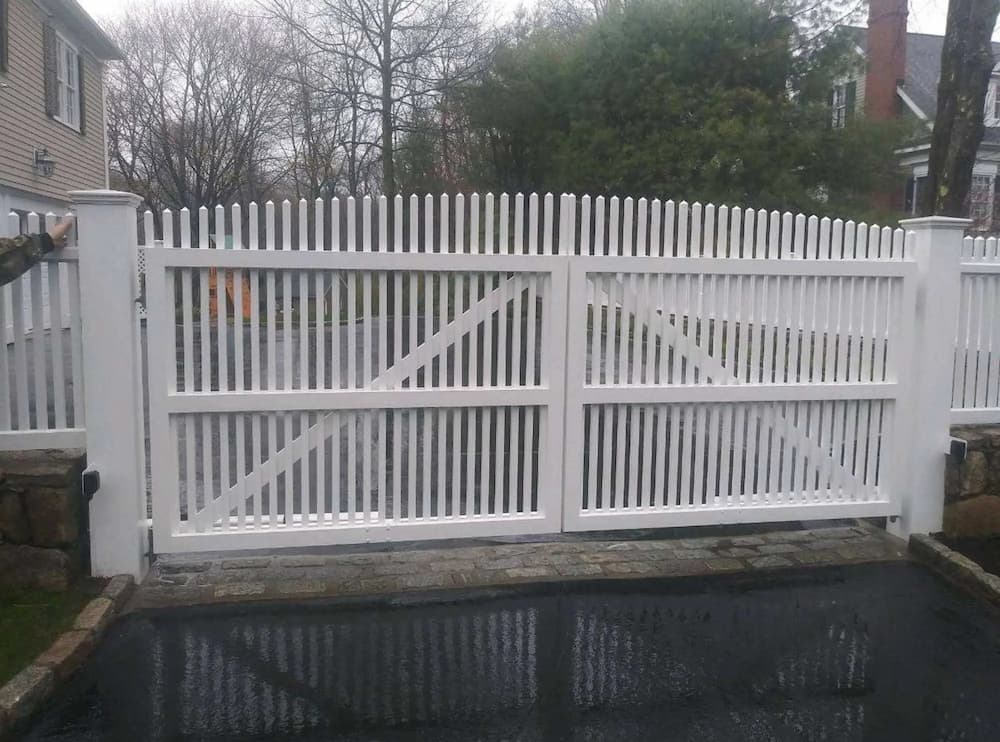
Bamboo, reclaimed wood, and sustainable composites can all be smart options when they are matched to the right site conditions and installed with durability in mind.
That is where working with an experienced local contractor matters. Connecticut Fence & Gate understands how soil conditions, drainage, exposure, and layout affect long-term performance in Litchfield County.
Contact Connecticut Fence & Gate to learn more.