
How Much Does a Fence Cost
The cost of a wooden fence is usually measured per linear foot, which includes both materials and installation. On average, homeowners can expect prices to range from about $15 to $50 or more per foot, depending on the type of wood fencing used and the overall design.
Here is a breakdown of the average cost per linear foot based on different fence lengths:
Fence Length (Linear Feet) | Materials Only ($) | Installed ($) |
100 | 600 – 1,200 | 1,500 – 3,500 |
200 | 1,200 – 2,400 | 3,000 – 7,000 |
300 | 1,800 – 3,600 | 4,500 – 10,500 |
400 | 2,400 – 4,800 | 6,000 – 14,000 |
500 | 3,000 – 6,000 | 7,500 – 17,500 |
600 | 3,600 – 7,200 | 9,000 – 21,000 |
700 | 4,200 – 8,400 | 10,500 – 24,500 |
800 | 4,800 – 9,600 | 12,000 – 28,000 |
Prices can vary depending on material choice, site conditions, labor rates, and design details. For the most accurate pricing, it is best to contact reputable service providers such as Connecticut Fence & Gate, who can provide a detailed estimate based on the specific project needs.
Cost Factors (What Affects the Price Per Foot)
Before any estimate makes sense, it helps to know what drives the price. A wooden fence can look simple, but the final number depends on the materials chosen, the style, and how hard the job is to install. These cost factors are usually the same details that fence builders near me review during an on-site visit.
Wood Type
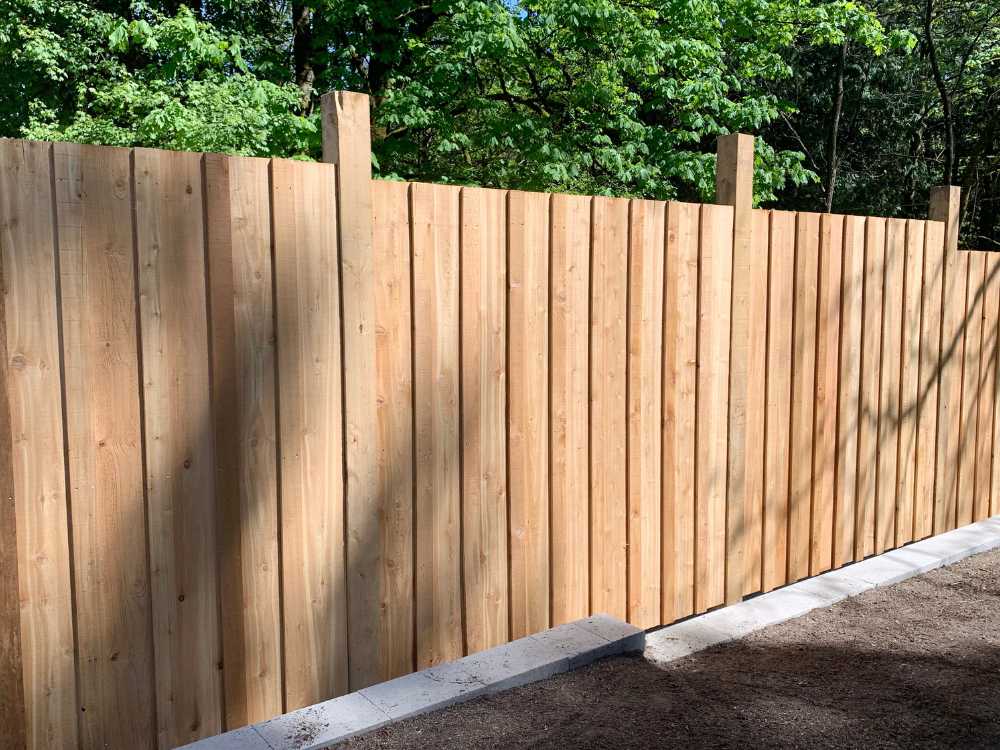
The wood itself is one of the biggest price drivers in wood fencing. Pressure-treated pine is usually the lowest-cost option, so it often works well for basic projects like a simple backyard fence. Cedar and redwood cost more because they tend to hold up better over time and often look more polished. Cedar is also a popular choice because it contains a natural insect repellent, which can help reduce pest issues.
Fence Style and Height
The design and height affect both materials and labor. A short picket fence uses less wood and is faster to install. A taller wood privacy fence needs more boards, stronger posts, and more time to build. Many homeowners also choose styles that require more overlapping boards or tighter spacing, which can raise the total cost even when using the same type of wood fencing.
Design Complexity
Simple layouts cost less than custom builds. Decorative tops, angled sections, and special patterns take extra planning and cutting. Costs can also rise when the project uses specific wood fence panels or a mixed design that includes different board sizes. Homeowners looking for fresh wood fence ideas often find that small upgrades can improve the look, but they can also increase the per-foot price if the design is more detailed.
Labor Requirements
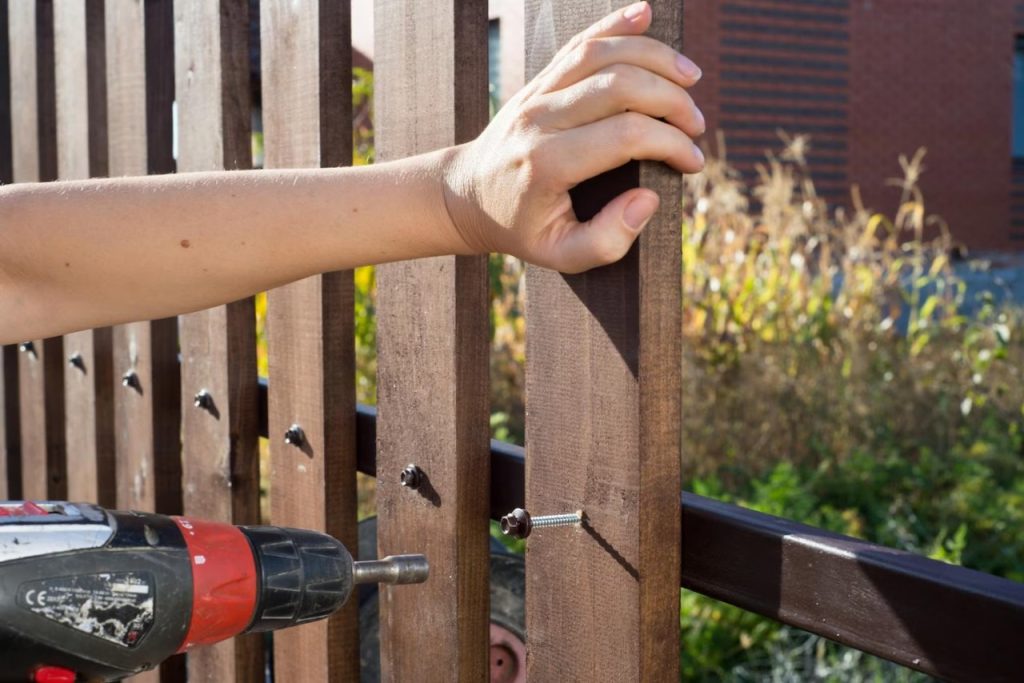
Labor costs change based on how easy the site is to work on. Flat yards are usually faster and cheaper. Sloped ground, tree roots, rocks, or tight access points can add hours to the job. Many fence builders near me also factor in time for setting posts correctly and keeping lines straight, especially for a long backyard fence where small mistakes become noticeable.
What to Expect From Builders
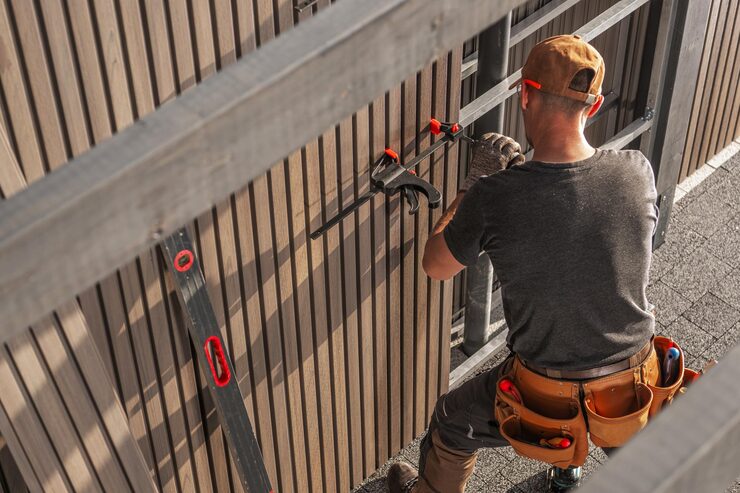
Working with professional installers helps avoid mistakes and delays. Most fence builders near me follow a similar process from start to finish.
Consultation
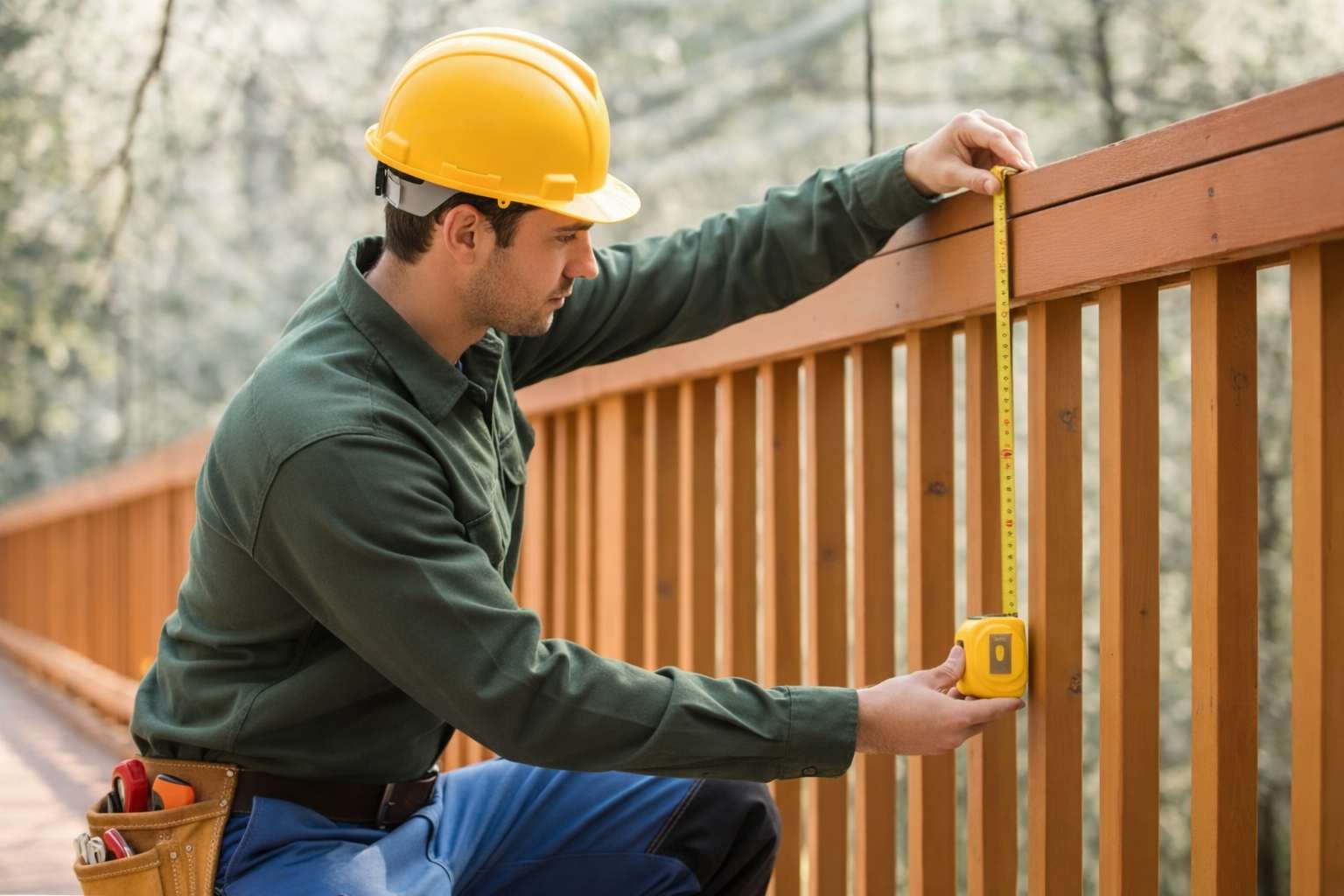
Builders usually visit the property to measure the space, discuss goals like privacy or security, and review terrain. This step helps match the right wood fence ideas to the property.
Material Options
Contractors explain different wood choices, such as pressure-treated pine, cedar, or redwood. Each option has a different look, lifespan, and price point within wood fencing.
Style Choices
Homeowners can choose between picket styles, shadowbox designs, or full wood privacy fence layouts. More solid designs require more wood fence panels, which increases cost.
Cost Breakdown
Estimates usually include materials, labor (often around $50 per hour), permits, and site prep. Removal of an old wooden fence may be listed separately.
Detailed Quote
A final quote should clearly outline materials, labor, timeline, and warranty details. This helps homeowners compare offers and understand exactly how much a fence will cost before work begins.
What Type of Fence Increases Property Value?
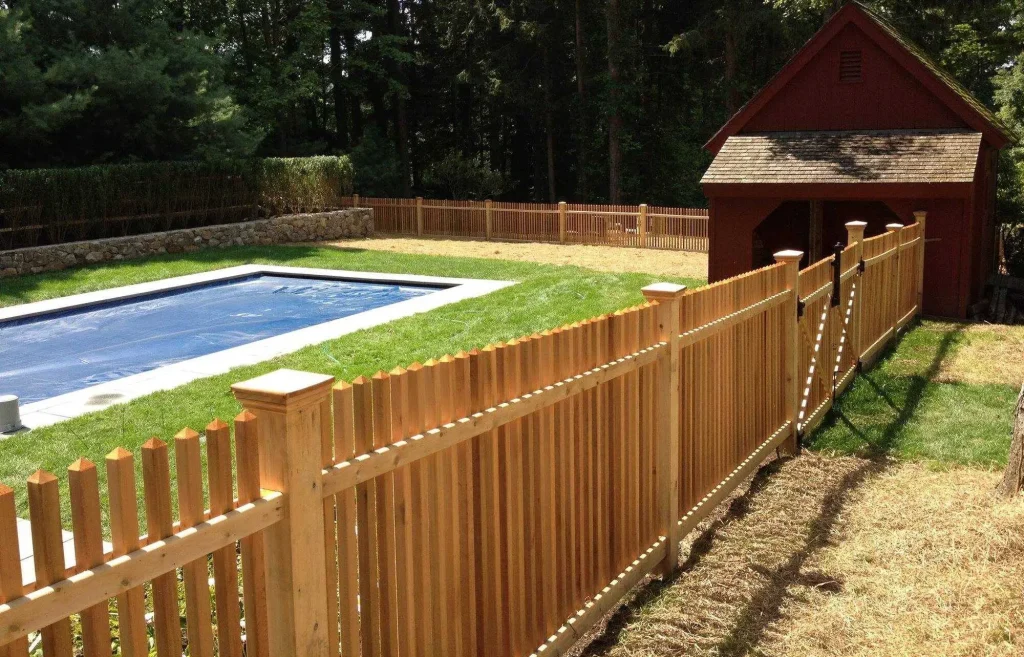
A well-built wooden fence can increase property value, especially when it adds privacy and improves curb appeal. Generally, the average return on investment (ROI) for a fence installation is about 50%, which equals roughly $950 to $2,400 in resale value. Buyers often prefer clean, modern designs that match the home’s style and feel like a natural part of the property.
A wood privacy fence is often one of the most appealing options because it creates a secure and quiet outdoor space. Using durable wood fence panels and professional installation helps the fence look polished and permanent, which can make a stronger impression during showings.
Simple, classic wood fence ideas often perform better than overly complex designs because they appeal to more buyers and fit a wider range of home styles.
What Type of Fence Lasts the Longest?
Longevity depends on both materials and maintenance. Among wood fencing options, cedar and redwood usually last the longest because they resist moisture and insects naturally.
Pressure-treated pine can also last many years if properly sealed and maintained. Regular staining or sealing helps protect any wooden fence from weather damage.
Proper installation matters just as much as material choice. Skilled fence builders near me ensure posts are set deep and secure, which extends the life of the entire fence.
What Are Common Fence Installation Mistakes?
Fence projects can go wrong fast when planning or installation steps are skipped. Even a good-looking wooden fence can start leaning, rotting, or falling apart early if the basics are not done right. These are some of the most common issues fence builders near me see when repairing or replacing older fences.
1) Posts Set Too Shallow
Shallow posts are a major reason fences lean or wobble. Posts need enough depth to stay stable through wind, rain, and shifting soil. This matters even more for a taller wood privacy fence, since it catches more wind and adds weight to the structure.
2) Using the Wrong Wood or Low-Quality Materials
Not all wood fencing holds up the same. Choosing cheaper boards that are not treated or not suited for the local climate can lead to rot, warping, and insect damage. Poor-quality wood fence panels may look fine at first, but can break down much faster than expected.
3) Uneven Spacing and Crooked Lines
Uneven gaps between boards and crooked fence lines make the fence look messy and can create weak spots. This is a common issue on a long backyard fence, where small measurement errors add up. Clean alignment also helps wooden fence panels fit better and age more evenly.
4) Ignoring Slope and Ground Conditions
Sloped yards and uneven terrain need special planning. If installers try to force a straight panel layout without adjusting for the land, gaps can appear under the fence or sections can look uneven. Many popular wood fence ideas require a stepped or racked approach to keep the fence looking clean on a hill.
5) Poor Drainage and Soil Contact
Wood that sits too close to soil or stays wet too often will rot faster. If boards are installed directly against the ground, moisture can soak into the bottom edges. Good wood fencing installation leaves proper clearance and uses gravel or concrete correctly around posts to reduce water issues.
6) Skipping Permits and Property Line Checks
Some projects start without confirming property lines, local fence rules, or permits. This can lead to neighbor disputes, fines, or having to move or remove part of the fence later. Professional fence builders near me usually check these details early to avoid expensive mistakes.