
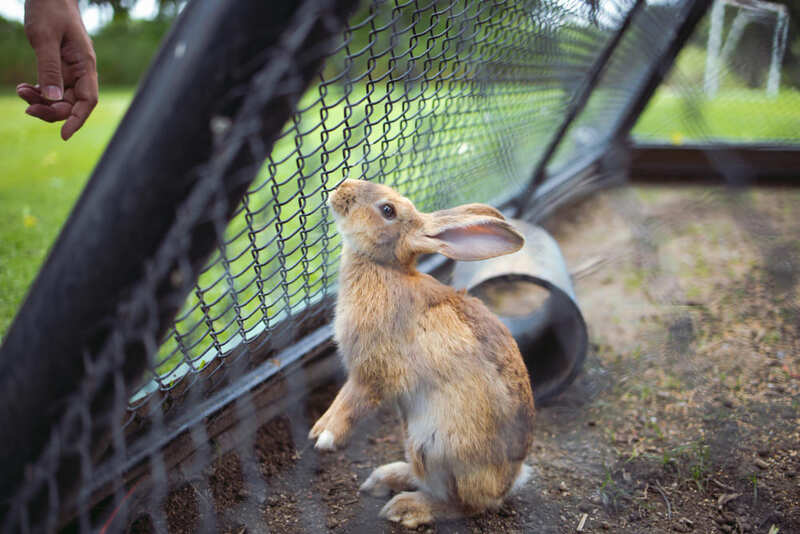
As spring settles into Connecticut, pets are ready to get back outside. Backyards start filling up again, whether that means planting the garden, freshening up the chicken coop, or making space for rabbits and cats to enjoy the warmer weather.
The challenge, of course, is making that outdoor space safe.
That is where fencing gets tricky. What works for chickens will not necessarily work for rabbits, and it definitely will not do much for a cat. In a state like Connecticut, where coyotes, foxes, raccoons, and hawks are all part of the picture, a pet-friendly fence has to help stop climbing, digging, and sneaking through small gaps.
The right fence can give pets room to enjoy the season while helping you worry less. It just comes down to choosing the right design for the animals you have.
In This Guide
● Do All Pets Actually Need a Fence?
● Predator Risks for Backyard Pets in Connecticut
● 3 Best Fence Designs for Cats
● 3 Best Fence Designs for Rabbits
● 3 Best Fence Designs for Backyard Chickens
● Weather-Resistant Fence Materials for Connecticut
● Fence Height and Spacing Guidelines
● Backyard Layout Tips for Multi-Pet Homes
● Common Fence Mistakes Pet Owners Make
Quick Facts
- ✅ Design for animal behavior, not just fence height.
- ✅ Secure the ground line to prevent escapes and digging.
- ✅ Limit cat climbing with smooth faces and fewer footholds.
- ✅ Use hardware cloth where predator resistance matters.
- ✅ Build gates to stay tight, sturdy, and securely latched.
Do All Pets Actually Need a Fence?
The short answer is no. The better answer is that it depends on the animal.
Many homeowners assume a traditional backyard fence will automatically keep pets safe and contained. In reality, some animals require specialized fencing or enclosed areas to stay protected.
Cats
You are not legally required to have a fence if you own cats, but you are responsible for ensuring they do not damage other people’s property or create unsanitary, dangerous, or offensive conditions.
Municipalities in Connecticut are authorized to adopt ordinances that allow Animal Control Officers to impound cats causing these issues.
Cats are highly agile and can jump five to six times their height. Height alone rarely solves the containment problem.
Building a fence for cats makes sense when
- You want to create a safer outdoor space without allowing free roaming
- Your yard is near roads, wooded areas, or neighborhoods with dogs, coyotes, or other wildlife
- Your cat already tries to wander, climb, or slip into nearby properties
- You want to help prevent nuisance complaints or property damage
While not required, fencing can still help protect cats if the goal is to keep predators out rather than keep the cat in. Some homeowners also install cat-proof fence toppers or enclosed outdoor spaces called catios that allow cats to enjoy the outdoors safely.
Rabbits
In Connecticut, rabbits are often classified as livestock under local zoning rules. That means fencing is generally required if they are being kept on residential property under a zoning permit.
- Rabbits must be kept in a designated area with adequate fencing.
- The fenced keeping area must be located at least 25 feet from any lot line.
- Rabbits must also have an appropriate permanent shelter.
- That shelter generally must be placed 100 feet from the street line.
- It must also be 50 feet from the rear property line.
- It must be 25 feet from the side property line.
- It must be 100 feet from any reservoir, pond, or watercourse.
- If there is a pre-existing non-conforming fence for livestock, it may usually be repaired, maintained, or replaced.
Backyard Chickens
Chickens are generally treated as livestock under many Connecticut zoning frameworks, which means many of the same containment and fencing expectations that apply to rabbits also apply to chickens when they are kept on residential property.
Free-roaming chickens can become a nuisance if they wander into neighboring yards, damage gardens or landscaping, and leave manure on lawns or sidewalks. They can also face more risk from roads, other animals, and unsanitary conditions.
Still, nearly 40% of Connecticut municipalities that allow backyard chickens do not require fencing. However, fencing is more commonly required in more urbanized areas.
For example, in Newington, keeping hens is allowed as a noncommercial accessory use on single-family residential lots with a Zoning Permit:
- Up to 8 hens on lots smaller than 20,000 square feet
- Up to 12 hens on lots larger than 20,000 square feet
NOTE: Rules can look different in Litchfield County towns, since backyard chicken requirements are often handled at the local municipal level.
➤ SEE OUR FENCING SERVICES
Predator Risks for Backyard Pets in Connecticut
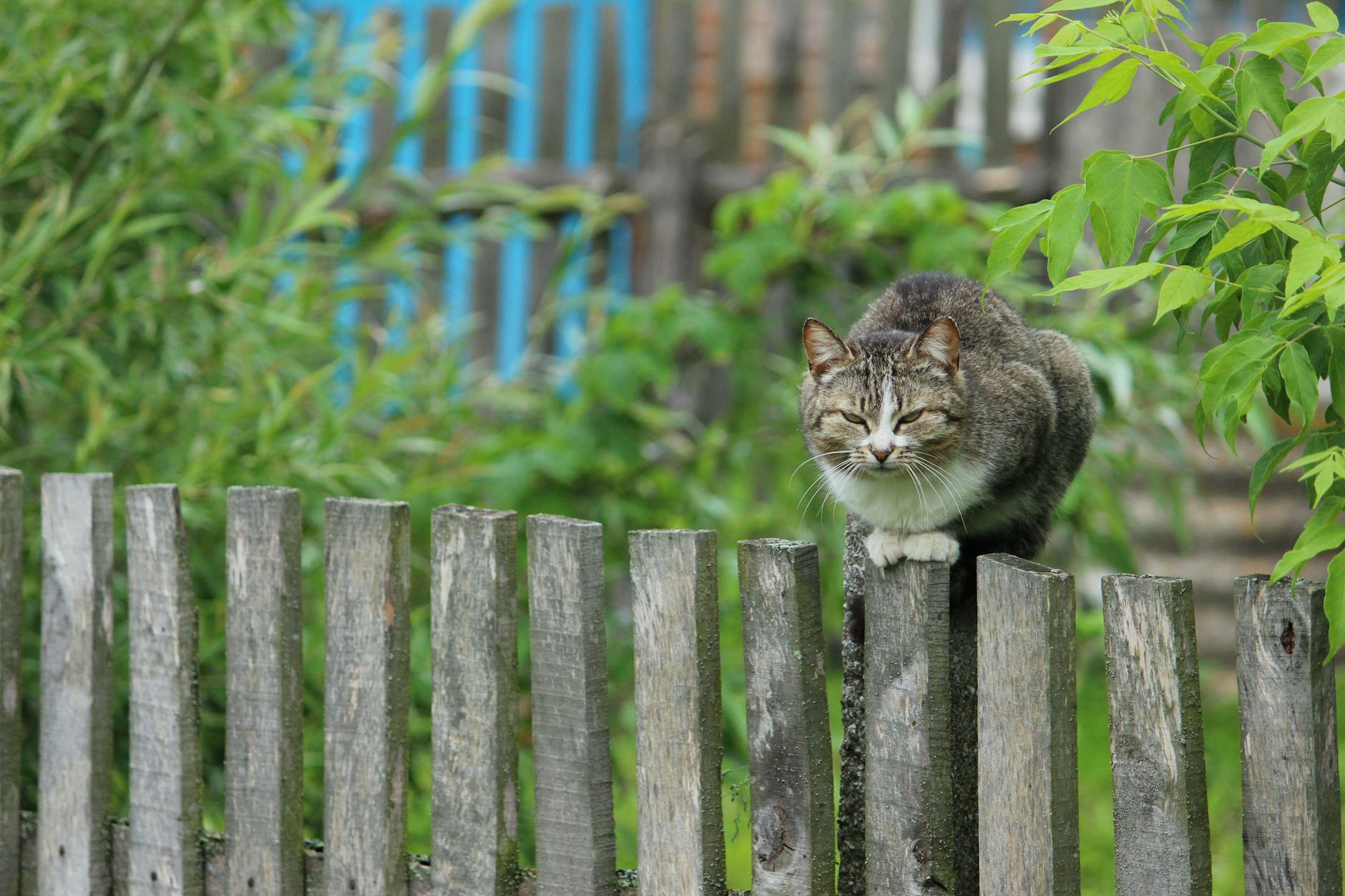
Designing a fence without understanding local wildlife is like installing a lock without knowing who might try to break in.
Common predators in Connecticut include:
- Coyotes
- Foxes
- Raccoons
- Hawks and owls
- Weasels
- Neighborhood dogs
Each of these animals presents different challenges. Coyotes and foxes can dig under fences, raccoons are skilled climbers, and hawks attack from above. Because of this, effective pet fencing must address three major vulnerabilities: digging, climbing, and squeezing through small gaps.
3 Best Fence Designs for Cats
-
Cat-Proof Fence Toppers
Cat-proof toppers attach to an existing fence to make climbing over it more difficult. Common designs include inward-angled extensions and roller systems that prevent cats from getting a firm grip.
-
Fully Enclosed Cat Runs
A fully enclosed cat run gives cats outdoor access within a screened or fenced space that includes a top. This option offers stronger protection in Connecticut, where outdoor cats may encounter coyotes, foxes, hawks, and neighborhood dogs.
-
Fence Height Considerations
Fence height helps, but it is usually not enough on its own since cats can jump and climb easily. A fence around 6 feet or higher is more effective when paired with toppers, inward extensions, or a fully enclosed design.
3 Best Fence Designs for Rabbits
-
Small-Mesh Wire Fencing
Rabbits can squeeze through surprisingly small openings, so fencing should use tight wire mesh or hardware cloth rather than wide garden fencing. Smaller mesh helps prevent escapes and keeps out common Connecticut predators such as raccoons, foxes, and snakes.
-
Buried or Reinforced Fence Bases
Rabbits are natural diggers, which means fencing should extend 6–12 inches below ground or include a buried apron of wire mesh along the base. This helps prevent rabbits from tunneling out and predators from digging in.
-
Enclosed Rabbit Runs
An enclosed run provides a fenced exercise space connected to a hutch or shelter. Adding a covered top or overhead netting can help protect rabbits from aerial predators like hawks and owls, which are common in Connecticut.
3 Best Fence Designs for Backyard Chickens
-
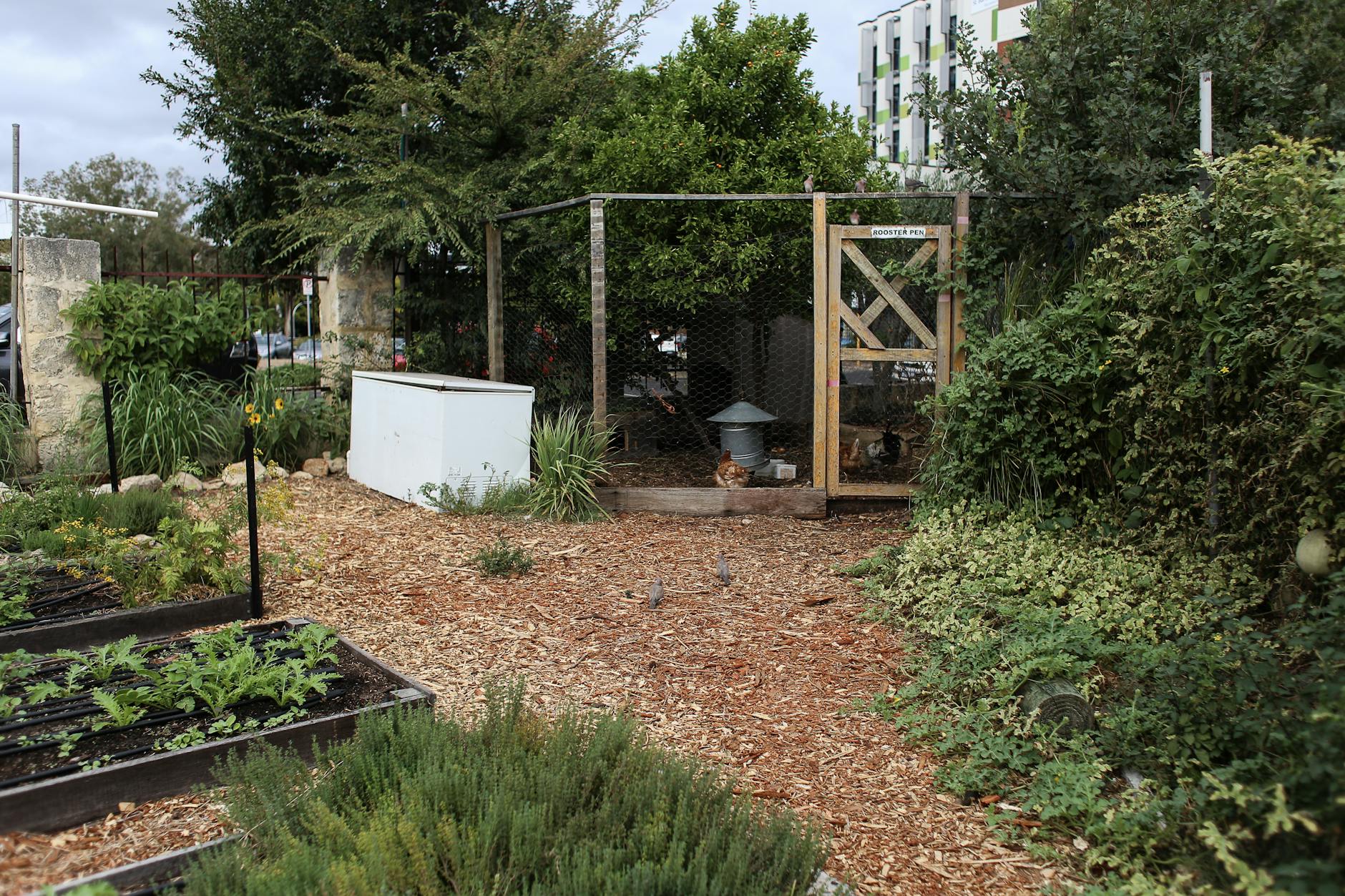
Hardware Cloth Chicken Runs
Chicken runs should use hardware cloth or tight wire mesh rather than standard chicken wire. Hardware cloth is stronger and helps prevent predators such as raccoons, foxes, and coyotes, which are common in Connecticut, from reaching through or tearing the fence.
-
Covered or Roofed Enclosures
Adding netting, wire, or a solid roof over the run helps protect chickens from hawks and other birds of prey. A covered enclosure also prevents chickens from flying or hopping over shorter fencing.
-
Secure Ground-Level Fencing
Predators often try to dig under fences, so chicken fencing should include a wire apron around the base. Keeping the fence tight to the ground also prevents chickens from slipping out through gaps.
➤ EXPLORE OUR FENCE OPTIONS
Dig-Proof Fence Techniques
Many predators attempt to dig under fences rather than climb them. For rabbits and chickens, especially preventing underground access is critical.
Effective methods include:
- Buried fencing: Extend wire mesh 6–12 inches below ground to block digging animals like foxes, coyotes, and raccoons.
- Wire fence aprons: Attach mesh along the base of the fence and lay it outward along the ground to discourage digging near the fence line.
- Reinforced base materials: Adding gravel, pavers, or landscape edging along the fence base can make digging more difficult for predators.
Weather-Resistant Fence Materials for Connecticut
New England weather is not gentle on outdoor structures. Snow, freezing temperatures, and heavy rain can quickly damage low-quality fencing.
Durable fencing materials for Connecticut include:
Chain Link Fencing
Chain link is one of the most durable options for animal containment. It handles snow, rain, and freezing temperatures well and works well with mesh extensions, buried bases, or enclosed runs for rabbits and chickens.
Vinyl Fencing
Vinyl fencing resists moisture, rot, and insect damage, which makes it a low-maintenance option in Connecticut’s wet springs and snowy winters. It works best for larger pets like cats or when paired with mesh additions for smaller animals.
Aluminum Fencing
Aluminum fencing is rust-resistant and lightweight, making it well-suited for long-term outdoor use. While it is durable in harsh weather, it is typically paired with additional mesh or barriers if used for small animals.
Pressure-Treated Wood Fencing
Pressure-treated wood fences remain common in Connecticut because they are sturdy and adaptable. They can support wire mesh, fence toppers, or enclosed structures, but they require periodic maintenance to prevent moisture damage over time.
Fence Height and Spacing Guidelines
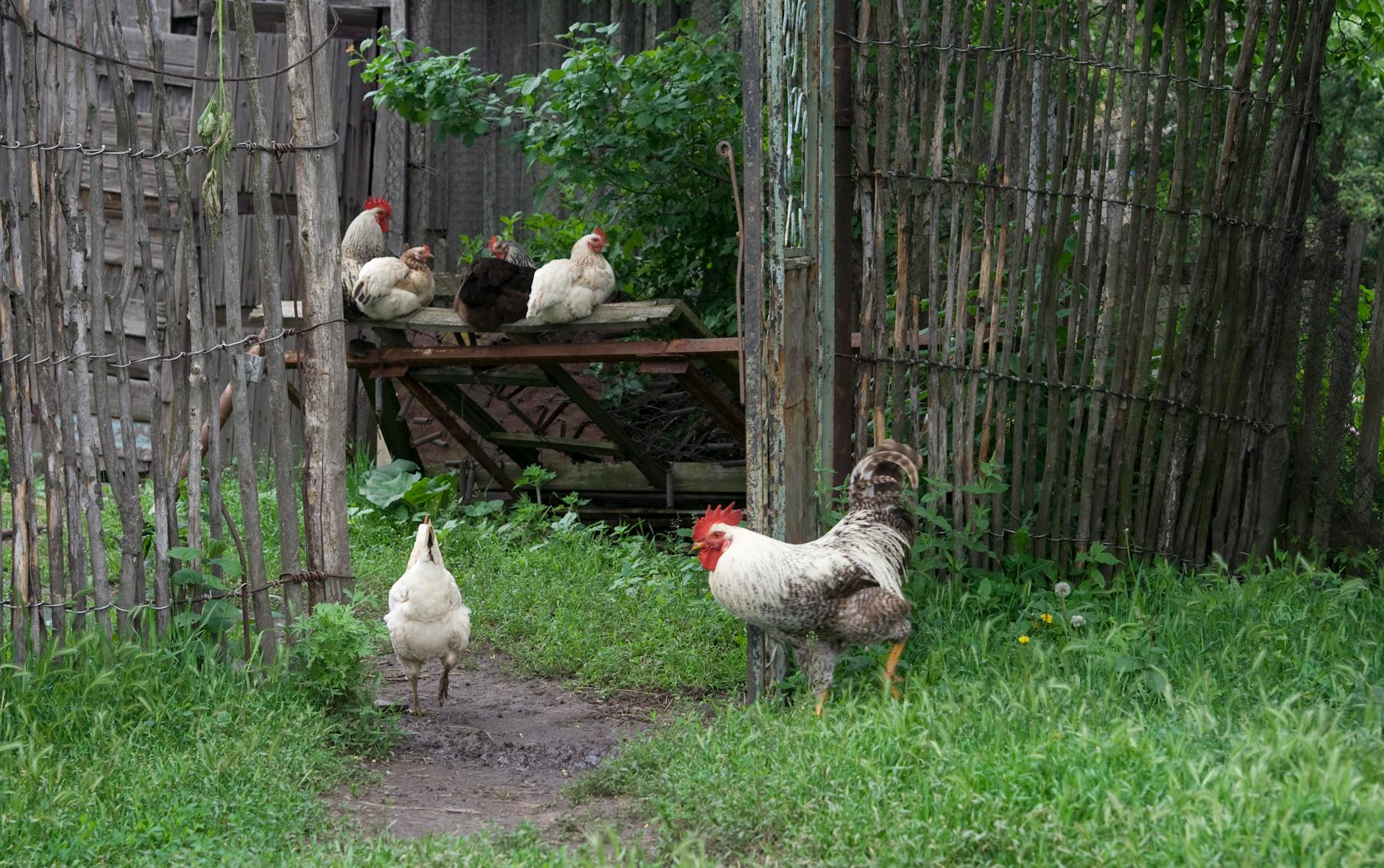
Different animals require different fence specifications.
|
Pet |
Recommended Fence Height |
Mesh Size |
|
Cats |
6–8 feet (often with toppers or extensions) |
1–2 inch mesh |
|
Rabbits |
2–3 feet |
1 inch or smaller |
|
Backyard Chickens |
6–8 feet for enclosed runs |
1 inch or smaller |
➤ READ: 11 Privacy Fence Ideas You’ll Want to Copy ASAP
Backyard Layout Tips for Multi-Pet Homes
Homes with multiple animals often need separate zones so each pet has a safe, appropriate space.
- Use separate enclosures for different animals. Chickens and rabbits usually need protected runs, while cats may use taller fenced areas or cat runs.
- Keep livestock areas away from property lines to help meet common Connecticut setback requirements and reduce nuisance issues.
- Position coops, hutches, and runs near shelter or shade to protect animals from the weather.
- Avoid overlapping spaces where predators, food sources, or territorial behavior could create stress between animals.
Common Fence Mistakes Pet Owners Make
Most fence failures come from small design oversights, not the fence material itself. Watch for these common issues that create easy escape routes or weak points that predators exploit.
- Relying on height alone for cat containment
- Using chicken wire where predator resistance is needed
- Ignoring gaps at the bottom of gates
- Adding decorative openings near ground level
- Failing to account for snow accumulation in winter
Frequently Asked Questions (FAQs)
What fence setup works best for cats, rabbits, and backyard chickens together?
A layered setup is usually best: a smooth privacy perimeter to reduce climbing, bottom-edge reinforcement to stop digging, and a dedicated chicken run inside the yard built with predator-resistant mesh. This protects chickens without turning your whole yard into a run.
Can I upgrade an existing fence to be more pet-safe?
Yes. The most effective upgrades are sealing bottom gaps (buried mesh or apron), tightening gate clearances (sweep board), and adding a cat-focused top treatment (roller or inward topper). These changes address the most common escape points quickly.
What should I do if my yard is sloped or uneven?
Plan for consistent ground contact. Step fencing and slopes often create low triangles and under-gate gaps, so reinforce the bottom edge across transitions and use adjustable gate hardware with a sweep board to keep the clearance tight.
How do I choose materials that hold up in animal-heavy areas?
Prioritize rot- and corrosion-resistant components. Protect the splash zone with proper drainage, keep wood off direct soil contact where possible, and use corrosion-resistant fasteners on mesh so edges do not loosen into gaps.
Should I design differently if I have an HOA or pool barrier rules?
Yes. Local rules and HOAs can set requirements for height, spacing, and self-closing gates. If you need both compliance and pet safety, design around the stricter standard so you do not have to redo the fence later.
Build a Pet-Safe Fence Before Spring Gets Busy
As spring settles in and backyard routines pick up again, the right fence can make the space feel more usable, more secure, and a lot less stressful.
Connecticut Fence & Gate helps homeowners across Litchfield County choose fencing that fits the animals they have, the way they use their yard, and the realities of Connecticut wildlife and weather.